Market WatchLive
Market Insights
Daily Forex News & Analysis
Daily market updates, news, and expert analysis from our research team.
Filtering by currency: USDClear Filter
Articles (Page 1)

19h ago
ECB's Stance Shifts Global Rate Hike Expectations
The European Central Bank's recent policy decision is reshaping global expectations for interest rate hikes, signaling a potential slowdown in the tightening cycle. This shift creates significant monetary policy divergence, impacting major forex pairs like EUR/USD and influencing broader market sentiment.
EUR/USDGBP/USDUSD/JPY
View Report

Sep 6, 2026
Geopolitical Tensions Soar: Forex Traders Brace for Impact
Iran's escalating warnings of a stronger response to US actions are poised to ignite volatility across forex markets. Traders must monitor key currency pairs, crude oil, and gold for potential shifts and safe-haven demand over the holiday.
EUR/USDUSD/JPYUSD/CHF
View Report

Sep 5, 2026
Sterling's Retreat: US Jobs Data Rekindles Fed Rate Debate
Robust US jobs data has unexpectedly reignited the Federal Reserve's policy debate, halting Sterling's recent ascent. Traders are now re-evaluating USD strength and its implications for major currency pairs globally.
GBP/USDEUR/USDUSD/JPY
View Report

Sep 4, 2026
Dollar Surges as US NFP Crushes Estimates; CAD Falters
US Non-Farm Payrolls significantly beat estimates, strengthening the Dollar, while Canada's jobs contracted unexpectedly. This divergence sets clear monetary policy paths for the Fed and BoC, critically impacting major forex pairs.
USD/CADEUR/USDUSD/JPY
View Report
Sep 4, 2026
Trade Policy & The Dollar: Trump's Beef Market Gambit
President Trump's recent beef market interventions, including tariff waivers on imports, aim to lower domestic prices. This policy shift could influence US inflation data and Federal Reserve interest rate expectations, impacting the US Dollar's trajectory against major currency pairs.
AUD/USDNZD/USDUSD/CAD
View Report
Sep 4, 2026
Global Risk Factors: Trump's Peace Bid and Iran Tensions
Former President Trump's recent comments on a Russia-Ukraine peace initiative and Iran's nuclear site introduce fresh geopolitical uncertainties. Traders should monitor safe-haven demand and energy market fluctuations.
EUR/USDUSD/JPYUSD/CHF
View Report
Sep 4, 2026
Forex Shakes: US Inflation & ECB Hike Set to Roil Markets
Global forex markets face intense volatility as crucial US inflation data and an anticipated ECB rate hike loom. Traders should prepare for significant shifts in EUR/USD and other major pairs, driven by evolving central bank policy and interest rate differentials.
EUR/USDUSD/JPYGBP/USD
View Report

Sep 4, 2026
Presidential Pressure: Navigating Forex Volatility from US Policy Demands
Presidential pressure on the Federal Reserve regarding interest rates and trade policy could significantly sway forex markets. Discover how these comments influence major currency pairs and global economic sentiment for informed trading decisions.
EUR/USDUSD/JPYAUD/USD
View Report

Sep 4, 2026
Canadian Jobs Shock: Economy Sheds Tens of Thousands in August
Canada's August employment report disappointed sharply, with 41,700 jobs lost and wage growth slowing. This weakness in the labour market could temper the Bank of Canada's hawkish stance, potentially weighing on the Canadian Dollar against major counterparts.
USD/CADCAD/JPYEUR/CAD
View Report
Sep 4, 2026
US August NFP Shocks Higher, Fuels Rate Hike Expectations
The US labor market delivered an unexpected surge in August, with Non-Farm Payrolls significantly beating forecasts and prior months revised higher. This robust data strengthens the Federal Reserve's hawkish stance, likely bolstering the US Dollar against major currencies.
EUR/USDUSD/JPY
View Report
Aug 28, 2026
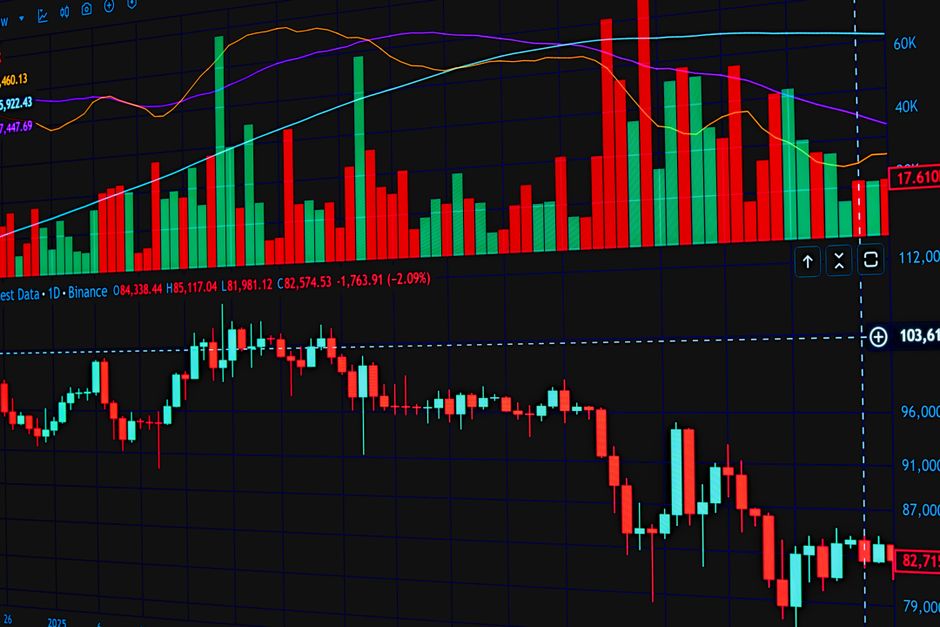
Fed Hawks Drive Dollar Higher Amid Inflation Concerns
Federal Reserve officials' hawkish comments on inflation fueled a robust US Dollar rally, impacting major currency pairs. Traders should monitor continued Dollar strength as market sentiment remains focused on aggressive rate hikes.
EUR/USDUSD/JPYUSD/CAD
View Report
Aug 28, 2026
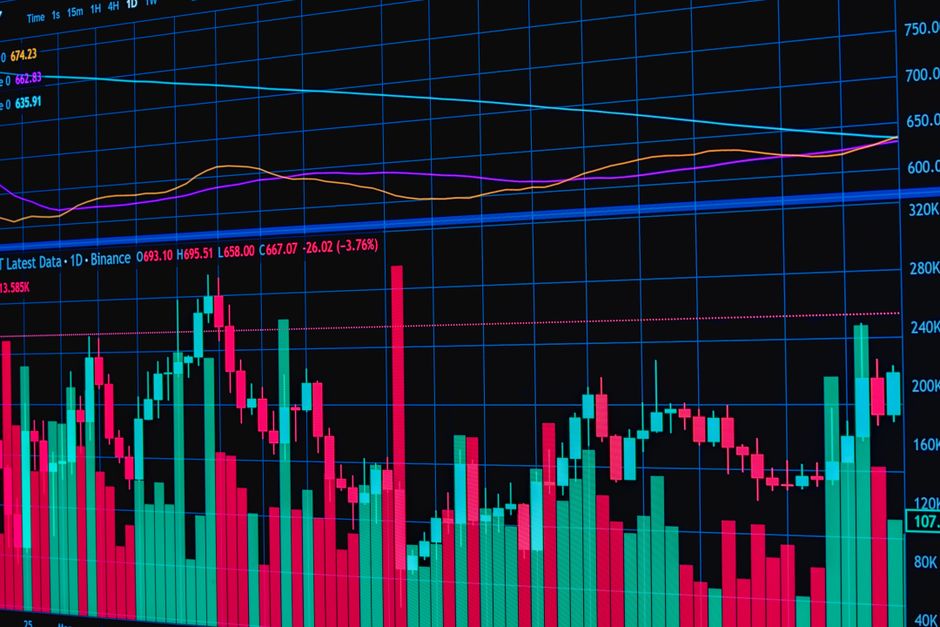
US Labor Market Sees Notable Downward Revision: What it Means for Forex
U.S. Non-Farm Payrolls benchmark revisions revealed a surprising 79K job cut for the year, indicating a softer labor market. This dovish signal could temper Fed rate expectations and influence key currency pairs like EUR/USD and USD/JPY.
EUR/USDUSD/JPY
View Report

Aug 28, 2026
US Consumer Sentiment Dips: What it Means for the Dollar
The University of Michigan's final August consumer sentiment index showed a slight rise from preliminary estimates but a significant overall decline. Elevated inflation concerns persist, influencing Federal Reserve policy expectations and the US Dollar's trajectory.
EUR/USDUSD/JPYGBP/USD
View Report
Aug 28, 2026
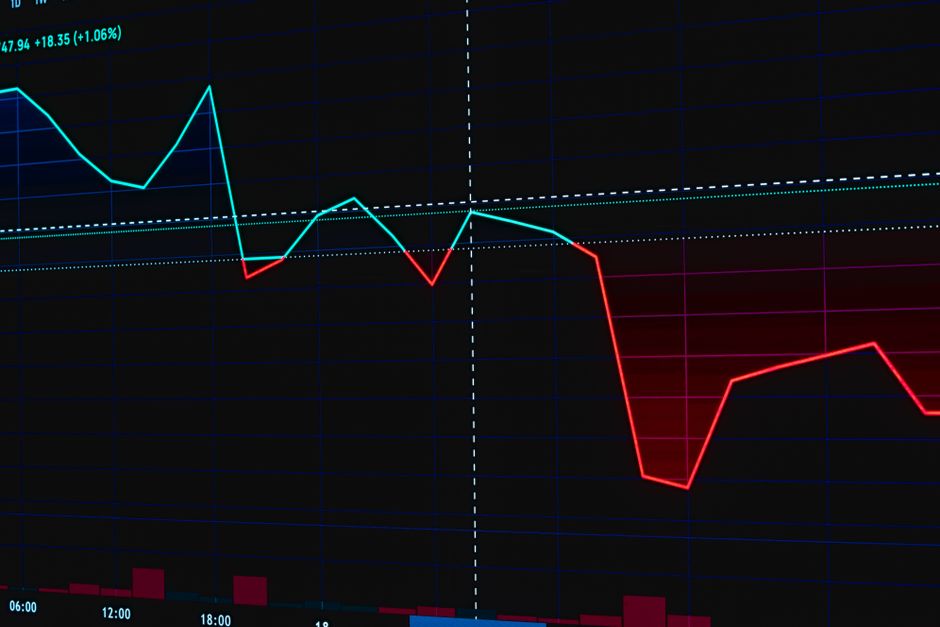
Canada GDP Growth Cools Slightly in Q2, CAD Impact
Canada's Q2 GDP grew 3.3% annually, slightly below estimates, but monthly figures showed resilience. This data provides mixed signals for the Bank of Canada, influencing CAD pairs and future policy decisions.
USD/CADEUR/CADGBP/CAD
View Report

Aug 28, 2026
Tokyo Inflation Fuels BOJ Tightening Bets: Yen Volatility Ahead
Tokyo's latest inflation data surpassed expectations, reigniting speculation for an imminent Bank of Japan rate hike as early as September. This development could trigger significant volatility across JPY crosses, impacting forex trading strategies.
USD/JPYEUR/JPY
View Report
Understanding Forex Market News
Foreign exchange markets are highly sensitive to global macroeconomic developments. The news and technical analysis updates published here are designed to help you follow major capital flows, central bank shifts, and geopolitical milestones that drive exchange rates.
How Macro News Impacts Currency Valuations
Currencies do not move randomly; they reflect the relative economic health of their respective nations. High-impact news releases alter market expectations of future central bank policy:
- Interest Rates: Central banks raise rates to fight inflation and lower them to stimulate growth. Higher relative rates attract global investment capital, strengthening the currency.
- Economic Growth: Strong GDP growth and consumer confidence point to a healthy economy, bolstering demand for the currency.
- Geopolitical Sentiment: During times of crisis or global trade conflict, "safe haven" currencies like the USD, CHF, and JPY typically gain value relative to riskier assets.
Best Practices for Trading Around News Releases
High-impact news can trigger extreme volatility and price gaps. Protect your capital by following these core rules:
- Respect the Spreads: During major events (like CPI or rate statements), liquidity providers withdraw bids and offers. This causes spreads to widen significantly, which can trigger stop losses prematurely.
- Mind the Slippage: If the market gaps over your stop-loss price, your order will be filled at the next available price, leading to larger-than-expected losses.
- Wait for Confluence: Avoid chasing the initial spike. Often, the market will retest the breakout levels once the initial panic subsides, presenting lower-risk entries.