Asia FX Jolted: Hormuz Tensions & Tech Rout Fuel Risk Aversion
Asian currency markets experienced a significant jolt during the recent trading session, driven by a confluence of escalating geopolitical tensions and a broad-based sell-off in regional technology stocks. This potent mix fostered a pronounced risk-off sentiment that rippled across the forex landscape, impacting key currency pairs and equity indices.
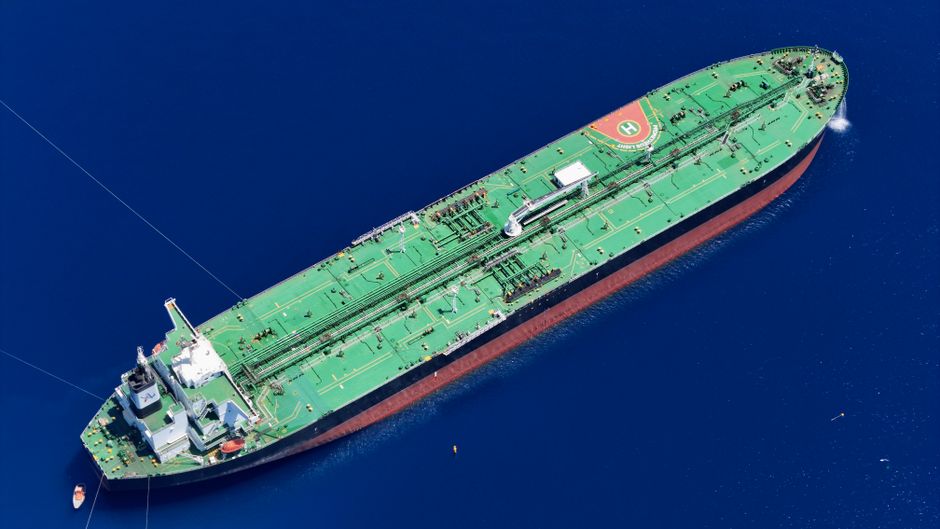
The most immediate concern stemmed from reports of renewed attacks on an LNG tanker and commercial vessels in the strategically vital Strait of Hormuz. This development immediately stoked fears of supply chain disruptions and higher energy prices, sending investors scrambling for safe-haven assets. Such geopolitical flare-ups typically bolster demand for the US Dollar (USD) and the Japanese Yen (JPY), while putting pressure on risk-sensitive currencies and potentially increasing crude oil volatility.
Compounding the geopolitical unease was a sharp decline in Asian equities, particularly within the technology sector. Despite a robust earnings report from tech giant Samsung, its shares plunged, dragging South Korea's KOSPI index down significantly. This tech sell-off spread across the region, creating a stark divergence from the recent highs observed on Wall Street. Traders are closely watching this trend, as a sustained downturn in Asian tech could signal broader economic headwinds for export-oriented economies, negatively affecting currencies like the Australian Dollar (AUD) and New Zealand Dollar (NZD).
Meanwhile, in Japan, mixed economic data offered little respite. While household spending showed improvement and overall growth remained solid, softer wage data raised questions about the Bank of Japan's (BOJ) future tightening path. This creates a complex picture for the JPY; while geopolitical risk often supports it, domestic economic signals could cap its upside against pairs like the USD/JPY. In China, the People's Bank of China (PBOC) set the USD/CNY central rate higher than anticipated and increased the Southbound Bond Connect quota, actions that reflect ongoing efforts to manage capital flows and currency stability amid broader economic concerns.
For forex traders, the immediate outlook is one of heightened volatility and a clear preference for safe-haven assets. Expect the USD to remain firm against most major currencies, particularly those sensitive to global growth and risk appetite such as AUD/USD and NZD/USD. The JPY's performance will be a tug-of-war between its safe-haven appeal and the BOJ's policy outlook. Monitoring crude oil prices and the ongoing performance of Asian equity markets will be crucial indicators for gauging market sentiment and potential shifts in currency valuations. Traders should remain vigilant and prepared for rapid market movements as these dynamics unfold.


