Asian Session Calm: What July 6, 2026's Light Calendar Means for Forex Traders
Monday, July 6, 2026, began with a distinctly subdued tone across Asian financial markets, particularly within the forex landscape. Unlike weeks punctuated by high-stakes economic reports, this particular start to the trading week presented a remarkably sparse economic calendar for the region. This quiet agenda meant that currency traders, rather than reacting to fresh data releases, found themselves sifting through existing market dynamics and looking for alternative catalysts.
The typical economic powerhouses of Asia – Japan, Australia, New Zealand, and even China – offered little in the way of market-moving statistics. No major inflation figures, employment reports, or central bank statements were scheduled to rock the boat during the early hours. This absence of immediate data points shifted the focus away from fundamental shocks and towards broader market sentiment, technical analysis, and developments from other global trading sessions. The implication for forex participants was a reduced likelihood of sudden, data-driven volatility, encouraging a more measured approach to early week positioning.
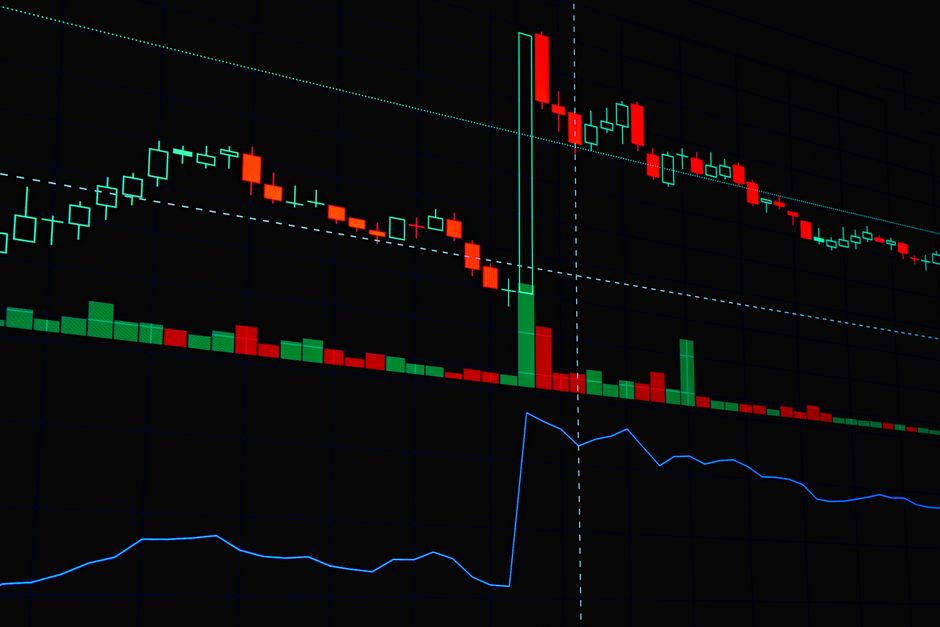
For astute forex traders, a quiet Asian session isn't necessarily a dormant one; it's a period that demands a shift in analytical focus. With domestic data offering minimal guidance, market participants often turn their attention to several key areas. Firstly, technical analysis becomes paramount. Major support and resistance levels, trendlines, and candlestick patterns gain increased significance as price action is less likely to be overridden by unexpected news. Secondly, global risk sentiment takes center stage. Any shifts in broader investor confidence, driven by headlines from Europe or North America, can influence Asia's risk-sensitive currencies. Lastly, the carry trade can sometimes find a footing in low-volatility environments, provided interest rate differentials remain attractive.
The primary currency pairs impacted by a subdued Asian calendar typically include those directly tied to the region's economies. USD/JPY often sees reduced activity, trading within tighter ranges unless influenced by external factors like US Treasury yields or a shift in overall risk appetite. AUD/USD and NZD/USD, which are highly sensitive to commodity prices and global growth expectations, may consolidate or track broader US Dollar movements. Crosses like AUD/JPY and NZD/JPY can also reflect the overall mood, acting as proxies for risk-on or risk-off flows, even in the absence of local data. Traders in EUR/USD and GBP/USD might observe some spillover if early European sentiment is established during the Asian hours, but direct impacts are generally limited.
Given the light economic schedule, the trading outlook for Monday, July 6, 2026, leaned towards consolidation rather than dramatic directional moves. Traders were likely to monitor established technical boundaries, anticipating potential breakouts only upon the arrival of more significant catalysts from later sessions. The focus would undoubtedly shift to upcoming events later in the week – perhaps inflation data from major economies, central bank speeches, or geopolitical developments – which would provide fresh impetus. For the immediate Asian session, patience and a reliance on technical confirmations, coupled with an awareness of prevailing global risk sentiment, were key.
While Monday, July 6, 2026, might have offered a calm entry into the trading week for Asian forex markets, it served as a crucial reminder for traders: not every day is driven by high-impact data. Periods of quiet calendars compel a strategic pivot, emphasizing technical analysis, global sentiment, and the anticipation of future market drivers. Adapting to such environments is a hallmark of successful forex trading.