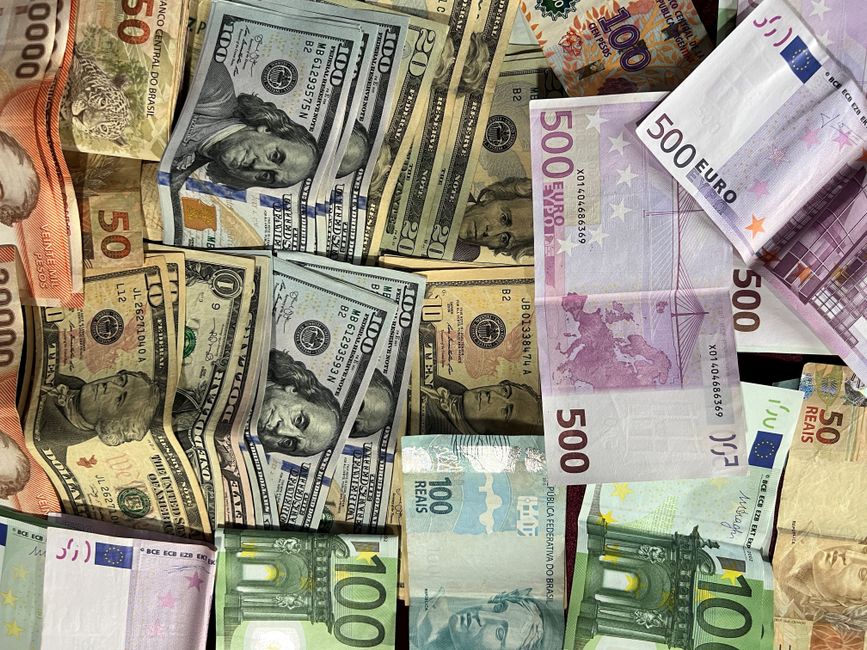
Euro Traders Eye German Wholesale Price Rebound in July
Germany's wholesale price index registered an unexpected uptick in July, signaling renewed inflationary pressures within the Eurozone's economic powerhouse. The Federal Statistical Office reported a month-on-month increase of 0.2%, reversing June's -0.7% decline. Annually, prices climbed 5.3%, accelerating from the prior month's 4.9% rise.
A significant driver behind this rebound was the surge in petroleum product prices. Following the expiration of a temporary energy tax reduction on gasoline and diesel at the end of June, these prices jumped by 4.0% month-on-month. Compared to July last year, petroleum product costs are now approximately 24% higher. While other sectors saw varied movements – non-ferrous ores and metals dropped 3.9% monthly but remain elevated year-on-year by 27.8% – and information and communication technology equipment prices rose 1.1% in July, the energy component clearly dominated the overall index.
Why This Matters for Forex Traders
For forex traders, shifts in German wholesale prices offer crucial insights into the broader inflationary landscape of the Eurozone. As the largest economy within the bloc, Germany's price dynamics often foreshadow trends across the region. A sustained rise in wholesale prices can indicate pipeline inflation, potentially translating into higher consumer prices down the line.
This data point is particularly relevant for the European Central Bank (ECB). If inflationary pressures, particularly from energy, continue to build, it could reinforce the ECB's hawkish stance, even as growth concerns persist. Higher inflation expectations typically support a currency, as central banks may be compelled to maintain or even hike interest rates further to curb price increases. Conversely, unexpected price moderation could ease pressure on the ECB, potentially weighing on the Euro.
Key Currency Pairs Affected
The Euro is naturally at the forefront when German economic data moves the needle. Traders will be scrutinizing pairs like EUR/USD, EUR/JPY, and EUR/GBP for immediate reactions and longer-term trends.
EUR/USD
The EUR/USD pair is highly sensitive to Eurozone economic sentiment and interest rate differentials with the US. A stronger inflation signal from Germany could provide a tailwind for the Euro, especially if it suggests a divergence from the Federal Reserve's policy path or supports continued ECB tightening. Watch for reactions around key support and resistance levels as market participants digest the implications for ECB policy.
EUR/JPY
Against the Japanese Yen, the Euro's strength stemming from inflation concerns might be more pronounced, given the Bank of Japan's continued ultra-loose monetary policy. Higher European inflation could widen yield differentials, potentially boosting EUR/JPY. However, risk sentiment and broader global flows also play a significant role.
EUR/GBP
The EUR/GBP pair will reflect the relative economic health and monetary policy outlooks of the Eurozone and the UK. If German inflation strengthens the case for continued ECB tightening more than similar data does for the Bank of England, the Euro could gain ground against Sterling. Traders should monitor upcoming UK economic releases in conjunction with Eurozone data.
Technical Outlook & Trading Perspective
From a technical standpoint, the Euro's reaction to this data will likely be tested against immediate resistance and support zones. The overall trend for the Euro has been influenced by global risk appetite, energy prices, and central bank rhetoric. A clear break above or below significant technical levels following this data could signal a shift in short-term momentum.
Traders should remain vigilant for increased volatility, especially around upcoming ECB statements or further Eurozone inflation releases. The interplay between inflation data, growth prospects, and central bank reactions will continue to shape the Euro's trajectory in the coming weeks.