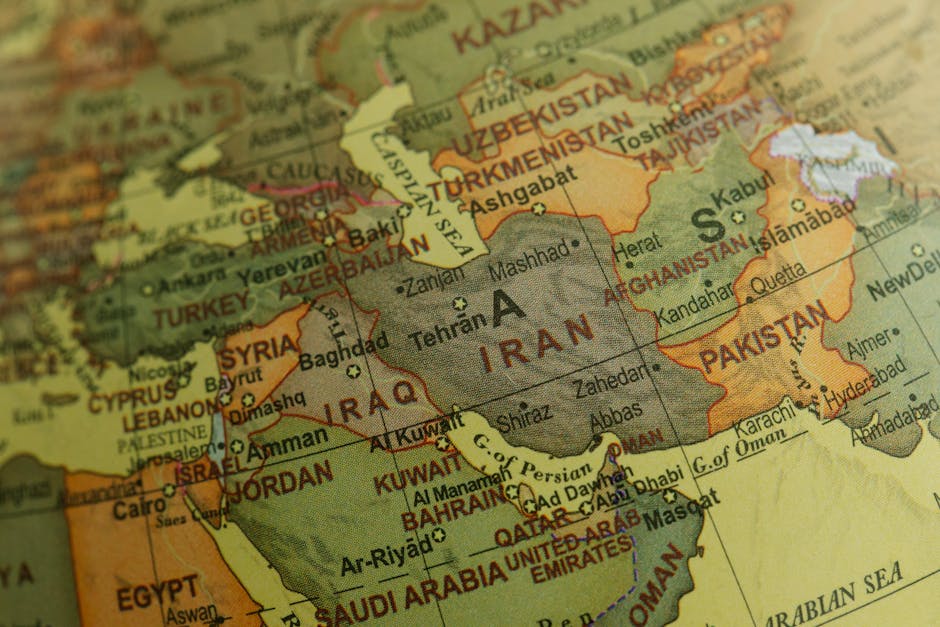
Geopolitical Jitters: Iran Reports Spark Market Volatility and Safe-Haven Demand
Recent reports of fresh explosions in Iran sent swift ripples through global financial markets, particularly crude oil and traditional safe-haven assets. What initially appeared to be a significant escalation in Middle Eastern tensions quickly dissolved into a confusing narrative of conflicting reports and official denials, highlighting the extreme sensitivity of markets to geopolitical headlines.
The initial wave of news regarding potential strikes within Iran triggered an immediate, sharp reaction. Oil prices, including benchmarks like Brent and WTI crude, surged on fears of supply disruptions from the critical oil-producing region. Simultaneously, investors sought refuge in perceived safe-haven assets, causing the Japanese Yen and Gold (XAU/USD) to strengthen against other major currencies. However, as the situation evolved with denials from Iranian state TV and reports suggesting no US involvement, the market reaction swiftly unwound, leading to significant price reversals and demonstrating the whiplash effect of headline-driven trading.
For forex traders, this episode underscores the profound impact of geopolitical risk on currency valuations and commodity prices. Escalations in the Middle East, a vital energy hub, can disrupt global supply chains, fuel inflation expectations, and prompt a broad shift towards risk aversion. Even unconfirmed reports or heightened uncertainty can generate substantial short-term volatility, creating both lucrative opportunities for agile traders and significant risks for those unprepared for rapid shifts in sentiment.
Several currency pairs and assets are particularly sensitive to such developments. Safe-haven currencies like the Japanese Yen (USD/JPY) and the Swiss Franc (USD/CHF) typically appreciate during periods of global instability as capital flows towards perceived security. Gold (XAU/USD) also serves as a traditional hedge against geopolitical uncertainty and inflation. Conversely, commodity-linked currencies such as the Canadian Dollar (CAD), Australian Dollar (AUD), and Norwegian Krone (NOK) are directly impacted by oil price fluctuations; while an initial oil spike might offer temporary support, sustained uncertainty or a reversal in oil prices can quickly diminish their appeal.
Looking ahead, the market remains highly susceptible to further geopolitical developments. Traders should monitor news wires closely for any confirmed escalation or de-escalation, paying particular attention to crude oil price action. A sustained break in oil prices above key resistance levels could signal deeper concerns, while a return to stability might see safe-haven flows recede. The USD/JPY pair will continue to serve as a key barometer of global risk appetite. Prudent risk management, including stop-loss orders and position sizing, is paramount in such a volatile environment, as unexpected headlines can trigger rapid and significant price movements across the board.
%22%2F%3E%0A%20%20%3C!--%20Grid%20lines%20--%3E%0A%20%20%3Cg%20stroke%3D%22%23ffffff%22%20stroke-opacity%3D%220.03%22%20stroke-width%3D%221%22%3E%0A%20%20%20%20%3Cline%20x1%3D%220%22%20y1%3D%2290%22%20x2%3D%22800%22%20y2%3D%2290%22%2F%3E%0A%20%20%20%20%3Cline%20x1%3D%220%22%20y1%3D%22180%22%20x2%3D%22800%22%20y2%3D%22180%22%2F%3E%0A%20%20%20%20%3Cline%20x1%3D%220%22%20y1%3D%22270%22%20x2%3D%22800%22%20y2%3D%22270%22%2F%3E%0A%20%20%20%20%3Cline%20x1%3D%220%22%20y1%3D%22360%22%20x2%3D%22800%22%20y2%3D%22360%22%2F%3E%0A%20%20%20%20%3Cline%20x1%3D%22160%22%20y1%3D%220%22%20x2%3D%22160%22%20y2%3D%22450%22%2F%3E%0A%20%20%20%20%3Cline%20x1%3D%22320%22%20y1%3D%220%22%20x2%3D%22320%22%20y2%3D%22450%22%2F%3E%0A%20%20%20%20%3Cline%20x1%3D%22480%22%20y1%3D%220%22%20x2%3D%22480%22%20y2%3D%22450%22%2F%3E%0A%20%20%20%20%3Cline%20x1%3D%22640%22%20y1%3D%220%22%20x2%3D%22640%22%20y2%3D%22450%22%2F%3E%0A%20%20%3C%2Fg%3E%0A%20%20%3C!--%20Chart%20line%20--%3E%0A%20%20%3Cpolyline%20fill%3D%22none%22%20stroke%3D%22url(%23line)%22%20stroke-width%3D%223%22%20stroke-linecap%3D%22round%22%20stroke-linejoin%3D%22round%22%0A%20%20%20%20points%3D%2280%2C320%20160%2C280%20240%2C300%20320%2C240%20400%2C260%20480%2C180%20560%2C200%20640%2C140%20720%2C160%22%2F%3E%0A%20%20%3C!--%20Area%20under%20chart%20--%3E%0A%20%20%3Cpolygon%20fill%3D%22url(%23line)%22%20opacity%3D%220.06%22%0A%20%20%20%20points%3D%2280%2C320%20160%2C280%20240%2C300%20320%2C240%20400%2C260%20480%2C180%20560%2C200%20640%2C140%20720%2C160%20720%2C400%2080%2C400%22%2F%3E%0A%20%20%3C!--%20Candlestick%20icons%20--%3E%0A%20%20%3Cg%20stroke%3D%22%232CB88E%22%20stroke-width%3D%222%22%20opacity%3D%220.4%22%3E%0A%20%20%20%20%3Cline%20x1%3D%22200%22%20y1%3D%22210%22%20x2%3D%22200%22%20y2%3D%22260%22%2F%3E%0A%20%20%20%20%3Crect%20x%3D%22194%22%20y%3D%22220%22%20width%3D%2212%22%20height%3D%2225%22%20fill%3D%22%232CB88E%22%20fill-opacity%3D%220.3%22%20rx%3D%221%22%2F%3E%0A%20%20%3C%2Fg%3E%0A%20%20%3Cg%20stroke%3D%22%23F4622A%22%20stroke-width%3D%222%22%20opacity%3D%220.4%22%3E%0A%20%20%20%20%3Cline%20x1%3D%22260%22%20y1%3D%22230%22%20x2%3D%22260%22%20y2%3D%22290%22%2F%3E%0A%20%20%20%20%3Crect%20x%3D%22254%22%20y%3D%22240%22%20width%3D%2212%22%20height%3D%2230%22%20fill%3D%22%23F4622A%22%20fill-opacity%3D%220.3%22%20rx%3D%221%22%2F%3E%0A%20%20%3C%2Fg%3E%0A%20%20%3Cg%20stroke%3D%22%232CB88E%22%20stroke-width%3D%222%22%20opacity%3D%220.4%22%3E%0A%20%20%20%20%3Cline%20x1%3D%22540%22%20y1%3D%22160%22%20x2%3D%22540%22%20y2%3D%22220%22%2F%3E%0A%20%20%20%20%3Crect%20x%3D%22534%22%20y%3D%22170%22%20width%3D%2212%22%20height%3D%2230%22%20fill%3D%22%232CB88E%22%20fill-opacity%3D%220.3%22%20rx%3D%221%22%2F%3E%0A%20%20%3C%2Fg%3E%0A%20%20%3C!--%20Center%20text%20--%3E%0A%20%20%3Ctext%20x%3D%22400%22%20y%3D%22215%22%20text-anchor%3D%22middle%22%20font-family%3D%22system-ui%2C%20-apple-system%2C%20sans-serif%22%20font-size%3D%2216%22%20font-weight%3D%22700%22%20fill%3D%22%23ffffff%22%20opacity%3D%220.15%22%20letter-spacing%3D%224%22%3EFOREX%20MARKET%3C%2Ftext%3E%0A%3C%2Fsvg%3E%0A)