Geopolitical Tensions Ignite Oil, Rattle Asian Currencies
Forex markets opened the week with a surge in crude oil prices, driven by escalating geopolitical tensions in the Middle East and confirmed incidents involving tankers in the vital Strait of Hormuz. This sudden spike in energy costs is sending ripples across the global financial landscape, placing particular pressure on oil-importing nations and their respective currencies.
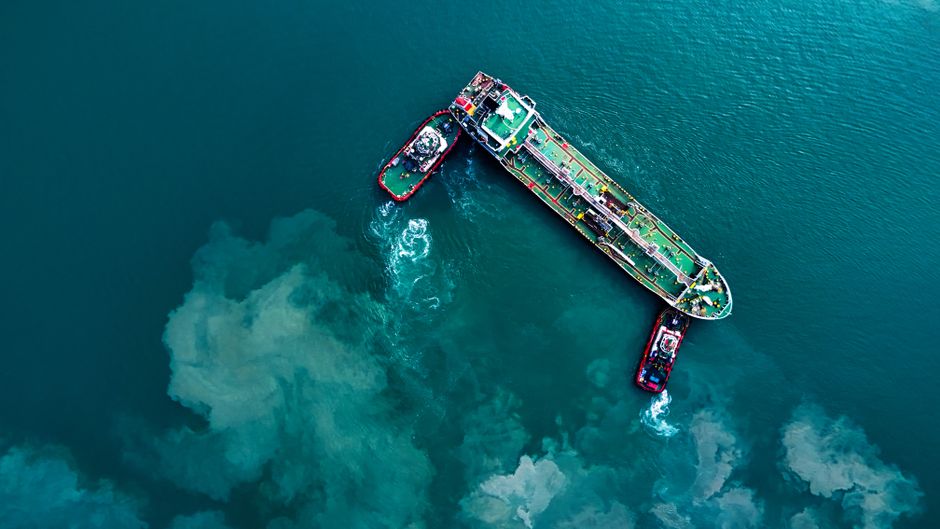
The immediate catalyst was news of vessels being struck in the Strait of Hormuz, a critical chokepoint for global oil shipments. This development, coupled with ongoing US-Iran friction, has ignited fears of supply disruptions and pushed crude futures significantly higher. For traders, this translates into heightened risk aversion, as geopolitical instability typically prompts a flight to safety.
The impact is acutely felt in Asia, where many economies are net oil importers. The Indian Rupee, for instance, has come under considerable pressure, reflecting the increased cost of energy imports which can fuel domestic inflation and widen trade deficits. Other regional currencies are also vulnerable to this dynamic, potentially weakening against the US Dollar. Meanwhile, China's financial markets are navigating their own challenges, with Beijing moving to stabilize its equity markets following a significant tech stock slide. The People's Bank of China (PBOC) held its Loan Prime Rates (LPRs) steady, a move aimed at balancing growth support with currency stability, while also setting the USD/CNY reference rate at a closely watched level.
From a trading perspective, the surge in oil prices has several key implications. Higher crude costs often lead to inflationary pressures globally, potentially influencing central bank policy decisions, particularly in terms of interest rate outlooks. This environment tends to strengthen safe-haven currencies like the US Dollar and, at times, the Japanese Yen, although the Yen's role is currently complicated by ongoing intervention watch from Tokyo officials.
Key Currency Pairs Affected:
* USD/INR: Expect continued upside pressure as higher oil prices weigh on the Rupee. * USD/JPY: Traders will monitor for potential intervention while also observing safe-haven flows that could strengthen the Yen in risk-off scenarios. * WTI Crude Oil: The immediate focus is on whether the current price spike sustains, indicating prolonged supply concerns. * USD/CNH (Offshore Yuan): China's economic stability efforts and PBOC policy will dictate the Yuan's trajectory. * AUD/USD & NZD/USD: These risk-sensitive pairs could face headwinds from broader market uncertainty and any slowdown in global growth.
Outlook: The market outlook remains highly sensitive to geopolitical developments in the Middle East. Any further escalation could drive oil prices even higher, exacerbating inflationary concerns and strengthening the US Dollar as a primary safe haven. Traders should remain vigilant for official statements regarding oil supply, central bank responses to inflation, and any signs of intervention in currency markets, particularly for the Japanese Yen. Volatility is likely to remain a defining feature in the coming sessions.
%22%2F%3E%0A%20%20%3C!--%20Grid%20lines%20--%3E%0A%20%20%3Cg%20stroke%3D%22%23ffffff%22%20stroke-opacity%3D%220.03%22%20stroke-width%3D%221%22%3E%0A%20%20%20%20%3Cline%20x1%3D%220%22%20y1%3D%2290%22%20x2%3D%22800%22%20y2%3D%2290%22%2F%3E%0A%20%20%20%20%3Cline%20x1%3D%220%22%20y1%3D%22180%22%20x2%3D%22800%22%20y2%3D%22180%22%2F%3E%0A%20%20%20%20%3Cline%20x1%3D%220%22%20y1%3D%22270%22%20x2%3D%22800%22%20y2%3D%22270%22%2F%3E%0A%20%20%20%20%3Cline%20x1%3D%220%22%20y1%3D%22360%22%20x2%3D%22800%22%20y2%3D%22360%22%2F%3E%0A%20%20%20%20%3Cline%20x1%3D%22160%22%20y1%3D%220%22%20x2%3D%22160%22%20y2%3D%22450%22%2F%3E%0A%20%20%20%20%3Cline%20x1%3D%22320%22%20y1%3D%220%22%20x2%3D%22320%22%20y2%3D%22450%22%2F%3E%0A%20%20%20%20%3Cline%20x1%3D%22480%22%20y1%3D%220%22%20x2%3D%22480%22%20y2%3D%22450%22%2F%3E%0A%20%20%20%20%3Cline%20x1%3D%22640%22%20y1%3D%220%22%20x2%3D%22640%22%20y2%3D%22450%22%2F%3E%0A%20%20%3C%2Fg%3E%0A%20%20%3C!--%20Chart%20line%20--%3E%0A%20%20%3Cpolyline%20fill%3D%22none%22%20stroke%3D%22url(%23line)%22%20stroke-width%3D%223%22%20stroke-linecap%3D%22round%22%20stroke-linejoin%3D%22round%22%0A%20%20%20%20points%3D%2280%2C320%20160%2C280%20240%2C300%20320%2C240%20400%2C260%20480%2C180%20560%2C200%20640%2C140%20720%2C160%22%2F%3E%0A%20%20%3C!--%20Area%20under%20chart%20--%3E%0A%20%20%3Cpolygon%20fill%3D%22url(%23line)%22%20opacity%3D%220.06%22%0A%20%20%20%20points%3D%2280%2C320%20160%2C280%20240%2C300%20320%2C240%20400%2C260%20480%2C180%20560%2C200%20640%2C140%20720%2C160%20720%2C400%2080%2C400%22%2F%3E%0A%20%20%3C!--%20Candlestick%20icons%20--%3E%0A%20%20%3Cg%20stroke%3D%22%232CB88E%22%20stroke-width%3D%222%22%20opacity%3D%220.4%22%3E%0A%20%20%20%20%3Cline%20x1%3D%22200%22%20y1%3D%22210%22%20x2%3D%22200%22%20y2%3D%22260%22%2F%3E%0A%20%20%20%20%3Crect%20x%3D%22194%22%20y%3D%22220%22%20width%3D%2212%22%20height%3D%2225%22%20fill%3D%22%232CB88E%22%20fill-opacity%3D%220.3%22%20rx%3D%221%22%2F%3E%0A%20%20%3C%2Fg%3E%0A%20%20%3Cg%20stroke%3D%22%23F4622A%22%20stroke-width%3D%222%22%20opacity%3D%220.4%22%3E%0A%20%20%20%20%3Cline%20x1%3D%22260%22%20y1%3D%22230%22%20x2%3D%22260%22%20y2%3D%22290%22%2F%3E%0A%20%20%20%20%3Crect%20x%3D%22254%22%20y%3D%22240%22%20width%3D%2212%22%20height%3D%2230%22%20fill%3D%22%23F4622A%22%20fill-opacity%3D%220.3%22%20rx%3D%221%22%2F%3E%0A%20%20%3C%2Fg%3E%0A%20%20%3Cg%20stroke%3D%22%232CB88E%22%20stroke-width%3D%222%22%20opacity%3D%220.4%22%3E%0A%20%20%20%20%3Cline%20x1%3D%22540%22%20y1%3D%22160%22%20x2%3D%22540%22%20y2%3D%22220%22%2F%3E%0A%20%20%20%20%3Crect%20x%3D%22534%22%20y%3D%22170%22%20width%3D%2212%22%20height%3D%2230%22%20fill%3D%22%232CB88E%22%20fill-opacity%3D%220.3%22%20rx%3D%221%22%2F%3E%0A%20%20%3C%2Fg%3E%0A%20%20%3C!--%20Center%20text%20--%3E%0A%20%20%3Ctext%20x%3D%22400%22%20y%3D%22215%22%20text-anchor%3D%22middle%22%20font-family%3D%22system-ui%2C%20-apple-system%2C%20sans-serif%22%20font-size%3D%2216%22%20font-weight%3D%22700%22%20fill%3D%22%23ffffff%22%20opacity%3D%220.15%22%20letter-spacing%3D%224%22%3EFOREX%20MARKET%3C%2Ftext%3E%0A%3C%2Fsvg%3E%0A)