Global Risk Watch: Trump, Netanyahu Meet Amid Iran Standoff
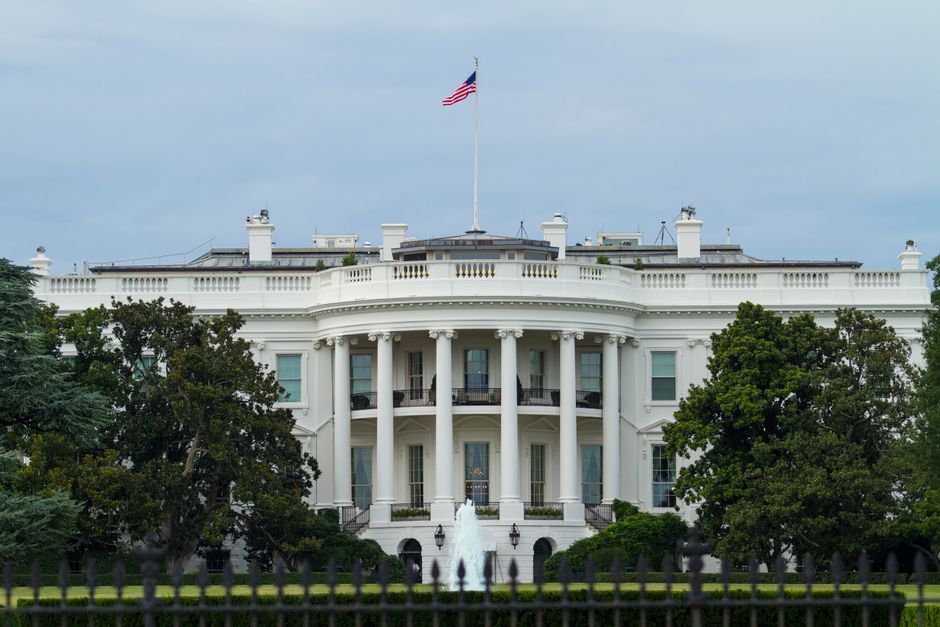
Forex markets are bracing for a crucial geopolitical event this week as Israeli Prime Minister Benjamin Netanyahu prepares to meet with U.S. President Donald Trump at the White House on Tuesday. This high-stakes encounter comes amidst a backdrop of escalating tensions in the Middle East, particularly concerning the contentious relationship between the United States and Iran. The outcome of these discussions could significantly influence global risk sentiment and, consequently, currency valuations.
The meeting holds immense weight for currency traders due to its direct implications for regional stability and the broader geopolitical landscape. President Trump has consistently reaffirmed the robust US-Israel alliance, signaling a readiness to adopt an even tougher stance against Iran if deemed necessary. Recent reports indicate that the U.S. administration is considering various responses, including potential military action, to address the ongoing standoff. While Israel has publicly stated its intention to avoid being an aggressor, its deep strategic ties with the U.S. mean its position remains central to the crisis. Interestingly, there have also been suggestions that President Trump has encouraged Netanyahu to consider scaling back Israel's military footprint, a detail that could hint at a complex balancing act between deterrence and de-escalation.
Such heightened geopolitical uncertainty typically triggers a flight to safety, directly impacting major currency pairs. The U.S. Dollar (USD) often benefits from its status as a global reserve currency and safe haven during times of international crisis. Similarly, the Japanese Yen (JPY) and the Swiss Franc (CHF) are prime beneficiaries of risk aversion, with traders flocking to these currencies to shield against market volatility. Conversely, currencies sensitive to global growth prospects or commodity prices, particularly crude oil, could face headwinds. An escalation of Middle East tensions could send oil prices soaring, potentially boosting oil-exporting currencies like the Canadian Dollar (CAD) and Norwegian Krone (NOK), but simultaneously dampening overall risk appetite and thus weighing on broader economic sentiment for pairs like AUD/USD or EUR/USD.
For forex traders, the key will be to closely monitor the rhetoric and any joint statements emerging from the Trump-Netanyahu meeting. A strong, unified front hinting at further aggressive actions against Iran would likely strengthen safe-haven demand, pushing USD, JPY, and CHF higher against riskier assets. Conversely, any signals of diplomatic breakthroughs, de-escalation efforts, or a more restrained approach could ease market anxieties, potentially leading to a reversal of safe-haven flows and a recovery in risk-sensitive currencies. Traders should anticipate increased volatility around the news flow and be prepared for swift market reactions based on whether the tone leans towards confrontation or conciliation. The market's interpretation of whether the reported encouragement to reduce military presence signifies a de-escalatory path or simply a strategic repositioning will be critical.
Ultimately, the upcoming meeting between President Trump and Prime Minister Netanyahu is a pivotal event that will undoubtedly shape the immediate trajectory of forex markets. While specific price levels are hard to predict, the overarching theme will be risk assessment. Vigilance remains paramount for traders navigating this complex geopolitical landscape.
%22%2F%3E%0A%20%20%3C!--%20Grid%20lines%20--%3E%0A%20%20%3Cg%20stroke%3D%22%23ffffff%22%20stroke-opacity%3D%220.03%22%20stroke-width%3D%221%22%3E%0A%20%20%20%20%3Cline%20x1%3D%220%22%20y1%3D%2290%22%20x2%3D%22800%22%20y2%3D%2290%22%2F%3E%0A%20%20%20%20%3Cline%20x1%3D%220%22%20y1%3D%22180%22%20x2%3D%22800%22%20y2%3D%22180%22%2F%3E%0A%20%20%20%20%3Cline%20x1%3D%220%22%20y1%3D%22270%22%20x2%3D%22800%22%20y2%3D%22270%22%2F%3E%0A%20%20%20%20%3Cline%20x1%3D%220%22%20y1%3D%22360%22%20x2%3D%22800%22%20y2%3D%22360%22%2F%3E%0A%20%20%20%20%3Cline%20x1%3D%22160%22%20y1%3D%220%22%20x2%3D%22160%22%20y2%3D%22450%22%2F%3E%0A%20%20%20%20%3Cline%20x1%3D%22320%22%20y1%3D%220%22%20x2%3D%22320%22%20y2%3D%22450%22%2F%3E%0A%20%20%20%20%3Cline%20x1%3D%22480%22%20y1%3D%220%22%20x2%3D%22480%22%20y2%3D%22450%22%2F%3E%0A%20%20%20%20%3Cline%20x1%3D%22640%22%20y1%3D%220%22%20x2%3D%22640%22%20y2%3D%22450%22%2F%3E%0A%20%20%3C%2Fg%3E%0A%20%20%3C!--%20Chart%20line%20--%3E%0A%20%20%3Cpolyline%20fill%3D%22none%22%20stroke%3D%22url(%23line)%22%20stroke-width%3D%223%22%20stroke-linecap%3D%22round%22%20stroke-linejoin%3D%22round%22%0A%20%20%20%20points%3D%2280%2C320%20160%2C280%20240%2C300%20320%2C240%20400%2C260%20480%2C180%20560%2C200%20640%2C140%20720%2C160%22%2F%3E%0A%20%20%3C!--%20Area%20under%20chart%20--%3E%0A%20%20%3Cpolygon%20fill%3D%22url(%23line)%22%20opacity%3D%220.06%22%0A%20%20%20%20points%3D%2280%2C320%20160%2C280%20240%2C300%20320%2C240%20400%2C260%20480%2C180%20560%2C200%20640%2C140%20720%2C160%20720%2C400%2080%2C400%22%2F%3E%0A%20%20%3C!--%20Candlestick%20icons%20--%3E%0A%20%20%3Cg%20stroke%3D%22%232CB88E%22%20stroke-width%3D%222%22%20opacity%3D%220.4%22%3E%0A%20%20%20%20%3Cline%20x1%3D%22200%22%20y1%3D%22210%22%20x2%3D%22200%22%20y2%3D%22260%22%2F%3E%0A%20%20%20%20%3Crect%20x%3D%22194%22%20y%3D%22220%22%20width%3D%2212%22%20height%3D%2225%22%20fill%3D%22%232CB88E%22%20fill-opacity%3D%220.3%22%20rx%3D%221%22%2F%3E%0A%20%20%3C%2Fg%3E%0A%20%20%3Cg%20stroke%3D%22%23F4622A%22%20stroke-width%3D%222%22%20opacity%3D%220.4%22%3E%0A%20%20%20%20%3Cline%20x1%3D%22260%22%20y1%3D%22230%22%20x2%3D%22260%22%20y2%3D%22290%22%2F%3E%0A%20%20%20%20%3Crect%20x%3D%22254%22%20y%3D%22240%22%20width%3D%2212%22%20height%3D%2230%22%20fill%3D%22%23F4622A%22%20fill-opacity%3D%220.3%22%20rx%3D%221%22%2F%3E%0A%20%20%3C%2Fg%3E%0A%20%20%3Cg%20stroke%3D%22%232CB88E%22%20stroke-width%3D%222%22%20opacity%3D%220.4%22%3E%0A%20%20%20%20%3Cline%20x1%3D%22540%22%20y1%3D%22160%22%20x2%3D%22540%22%20y2%3D%22220%22%2F%3E%0A%20%20%20%20%3Crect%20x%3D%22534%22%20y%3D%22170%22%20width%3D%2212%22%20height%3D%2230%22%20fill%3D%22%232CB88E%22%20fill-opacity%3D%220.3%22%20rx%3D%221%22%2F%3E%0A%20%20%3C%2Fg%3E%0A%20%20%3C!--%20Center%20text%20--%3E%0A%20%20%3Ctext%20x%3D%22400%22%20y%3D%22215%22%20text-anchor%3D%22middle%22%20font-family%3D%22system-ui%2C%20-apple-system%2C%20sans-serif%22%20font-size%3D%2216%22%20font-weight%3D%22700%22%20fill%3D%22%23ffffff%22%20opacity%3D%220.15%22%20letter-spacing%3D%224%22%3EFOREX%20MARKET%3C%2Ftext%3E%0A%3C%2Fsvg%3E%0A)