Hormuz Incident Rattles Markets: Oil Surges, Forex Volatility Intensifies
The geopolitical landscape in the Middle East has once again sent ripples through global financial markets, with reports emerging of Iran's Revolutionary Guard targeting a vessel attempting to transit the crucial Strait of Hormuz. This incident, following earlier reports of an attack on a Kuwaiti desalization plant, signals a worrying escalation of regional tensions, immediately translating into significant movements across the forex and commodities markets.
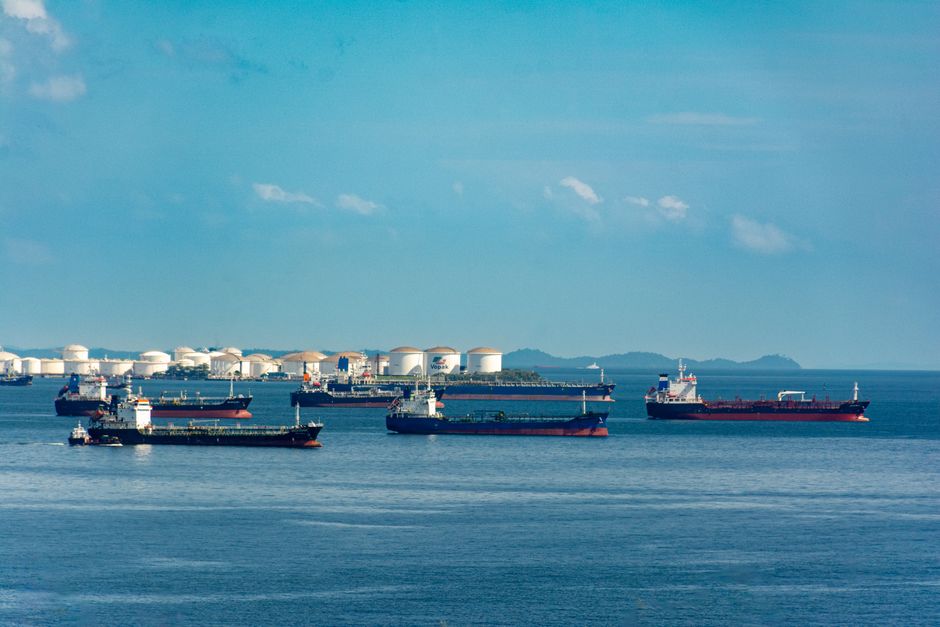
The Strait of Hormuz, a vital chokepoint for global oil shipments, is a critical artery for international trade. Any disruption or perceived threat here invariably sparks a surge in crude oil prices. West Texas Intermediate (WTI) crude has reacted sharply, climbing well past the $82 per barrel mark. Compounding this inflationary pressure is the 'crack spread' – the refining margin for turning crude into fuel – which has soared to historic highs above $70 per barrel. This indicates that even with crude oil around $80, consumers can expect fuel prices to remain elevated or even climb higher, intensifying global inflation concerns.
For forex traders, this confluence of geopolitical risk and soaring energy costs creates a potent environment for volatility and shifting market sentiment. The immediate impact is a pronounced 'risk-off' tone, as investors seek safety amidst uncertainty. This typically translates to increased demand for traditional safe-haven currencies, while risk-sensitive assets tend to falter. Central banks, already grappling with persistent inflation, will face renewed pressure to address the energy component of consumer price indices, potentially influencing future monetary policy decisions.
Currency pairs directly affected include those involving traditional safe havens. The US Dollar (USD) is likely to find strong support as a global reserve currency, benefiting from capital flight. The Japanese Yen (JPY) and Swiss Franc (CHF) will also see increased demand, particularly against riskier counterparts. Traders should watch pairs like USD/JPY, EUR/USD, and AUD/JPY closely. The Euro (EUR) and Pound Sterling (GBP) may face headwinds due to Europe's heavy reliance on energy imports, making them vulnerable to higher crude prices. Conversely, commodity-linked currencies like the Canadian Dollar (CAD), while typically sensitive to oil, might find their gains capped or even reversed by broader risk aversion.
Looking ahead, market participants should brace for continued volatility driven by Middle East headlines. The outlook suggests sustained upward pressure on oil prices, which will keep global inflation concerns at the forefront and potentially force central banks worldwide to maintain a hawkish posture for longer. Key levels to watch will be those that define the current risk-off trend; for instance, further weakness in risk-sensitive pairs like AUD/USD or NZD/USD, and continued strength in USD and JPY pairs. Monitoring geopolitical developments remains paramount, as any de-escalation or further aggravation could trigger swift market reactions.
%22%2F%3E%0A%20%20%3C!--%20Grid%20lines%20--%3E%0A%20%20%3Cg%20stroke%3D%22%23ffffff%22%20stroke-opacity%3D%220.03%22%20stroke-width%3D%221%22%3E%0A%20%20%20%20%3Cline%20x1%3D%220%22%20y1%3D%2290%22%20x2%3D%22800%22%20y2%3D%2290%22%2F%3E%0A%20%20%20%20%3Cline%20x1%3D%220%22%20y1%3D%22180%22%20x2%3D%22800%22%20y2%3D%22180%22%2F%3E%0A%20%20%20%20%3Cline%20x1%3D%220%22%20y1%3D%22270%22%20x2%3D%22800%22%20y2%3D%22270%22%2F%3E%0A%20%20%20%20%3Cline%20x1%3D%220%22%20y1%3D%22360%22%20x2%3D%22800%22%20y2%3D%22360%22%2F%3E%0A%20%20%20%20%3Cline%20x1%3D%22160%22%20y1%3D%220%22%20x2%3D%22160%22%20y2%3D%22450%22%2F%3E%0A%20%20%20%20%3Cline%20x1%3D%22320%22%20y1%3D%220%22%20x2%3D%22320%22%20y2%3D%22450%22%2F%3E%0A%20%20%20%20%3Cline%20x1%3D%22480%22%20y1%3D%220%22%20x2%3D%22480%22%20y2%3D%22450%22%2F%3E%0A%20%20%20%20%3Cline%20x1%3D%22640%22%20y1%3D%220%22%20x2%3D%22640%22%20y2%3D%22450%22%2F%3E%0A%20%20%3C%2Fg%3E%0A%20%20%3C!--%20Chart%20line%20--%3E%0A%20%20%3Cpolyline%20fill%3D%22none%22%20stroke%3D%22url(%23line)%22%20stroke-width%3D%223%22%20stroke-linecap%3D%22round%22%20stroke-linejoin%3D%22round%22%0A%20%20%20%20points%3D%2280%2C320%20160%2C280%20240%2C300%20320%2C240%20400%2C260%20480%2C180%20560%2C200%20640%2C140%20720%2C160%22%2F%3E%0A%20%20%3C!--%20Area%20under%20chart%20--%3E%0A%20%20%3Cpolygon%20fill%3D%22url(%23line)%22%20opacity%3D%220.06%22%0A%20%20%20%20points%3D%2280%2C320%20160%2C280%20240%2C300%20320%2C240%20400%2C260%20480%2C180%20560%2C200%20640%2C140%20720%2C160%20720%2C400%2080%2C400%22%2F%3E%0A%20%20%3C!--%20Candlestick%20icons%20--%3E%0A%20%20%3Cg%20stroke%3D%22%232CB88E%22%20stroke-width%3D%222%22%20opacity%3D%220.4%22%3E%0A%20%20%20%20%3Cline%20x1%3D%22200%22%20y1%3D%22210%22%20x2%3D%22200%22%20y2%3D%22260%22%2F%3E%0A%20%20%20%20%3Crect%20x%3D%22194%22%20y%3D%22220%22%20width%3D%2212%22%20height%3D%2225%22%20fill%3D%22%232CB88E%22%20fill-opacity%3D%220.3%22%20rx%3D%221%22%2F%3E%0A%20%20%3C%2Fg%3E%0A%20%20%3Cg%20stroke%3D%22%23F4622A%22%20stroke-width%3D%222%22%20opacity%3D%220.4%22%3E%0A%20%20%20%20%3Cline%20x1%3D%22260%22%20y1%3D%22230%22%20x2%3D%22260%22%20y2%3D%22290%22%2F%3E%0A%20%20%20%20%3Crect%20x%3D%22254%22%20y%3D%22240%22%20width%3D%2212%22%20height%3D%2230%22%20fill%3D%22%23F4622A%22%20fill-opacity%3D%220.3%22%20rx%3D%221%22%2F%3E%0A%20%20%3C%2Fg%3E%0A%20%20%3Cg%20stroke%3D%22%232CB88E%22%20stroke-width%3D%222%22%20opacity%3D%220.4%22%3E%0A%20%20%20%20%3Cline%20x1%3D%22540%22%20y1%3D%22160%22%20x2%3D%22540%22%20y2%3D%22220%22%2F%3E%0A%20%20%20%20%3Crect%20x%3D%22534%22%20y%3D%22170%22%20width%3D%2212%22%20height%3D%2230%22%20fill%3D%22%232CB88E%22%20fill-opacity%3D%220.3%22%20rx%3D%221%22%2F%3E%0A%20%20%3C%2Fg%3E%0A%20%20%3C!--%20Center%20text%20--%3E%0A%20%20%3Ctext%20x%3D%22400%22%20y%3D%22215%22%20text-anchor%3D%22middle%22%20font-family%3D%22system-ui%2C%20-apple-system%2C%20sans-serif%22%20font-size%3D%2216%22%20font-weight%3D%22700%22%20fill%3D%22%23ffffff%22%20opacity%3D%220.15%22%20letter-spacing%3D%224%22%3EFOREX%20MARKET%3C%2Ftext%3E%0A%3C%2Fsvg%3E%0A)