Hormuz Talks: Geopolitical Stability & Forex Impact
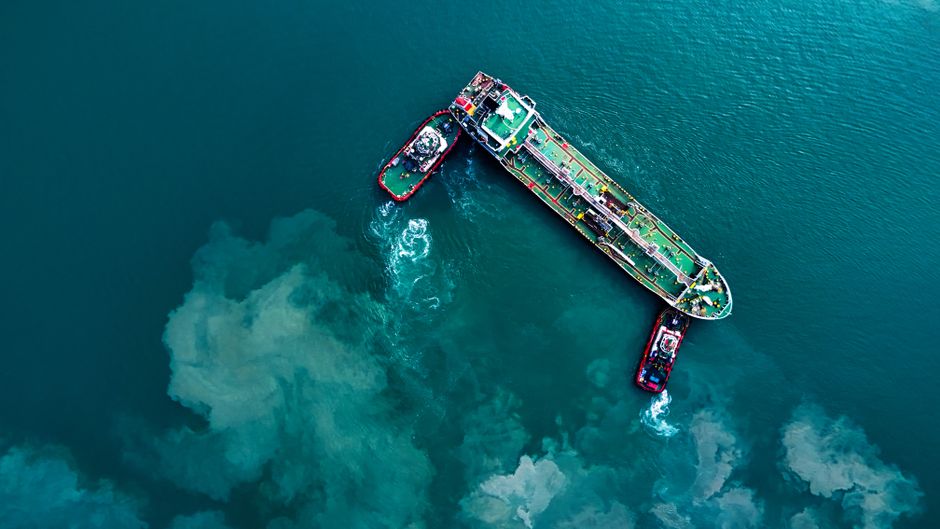
Recent diplomatic engagements between Iran and Oman regarding the critical Strait of Hormuz are drawing keen attention from global markets. Discussions are actively underway to forge a comprehensive framework aimed at securing and organizing commercial shipping through this vital energy artery. These talks, described as positive on both technical and political fronts, seek to balance maritime safety with the sovereign interests of both nations, ensuring stability in a region crucial for world energy supply.
Why This Matters for Forex Traders The Strait of Hormuz is arguably the world's most significant energy chokepoint, with approximately 20% of global petroleum consumption and a substantial portion of liquefied natural gas (LNG) transiting its waters daily. Any perceived threat to shipping security or escalation of tensions in this region can trigger significant volatility in crude oil prices. For forex traders, this translates directly into shifts in risk sentiment, impacting demand for safe-haven currencies and those of major oil exporters or importers.
Positive progress in these talks can alleviate geopolitical risk premiums, potentially leading to a more stable oil market and a greater appetite for riskier assets. Conversely, any breakdown in negotiations or increased uncertainty could spark a flight to safety, strengthening currencies like the US Dollar and Japanese Yen while pressuring commodity-linked currencies and those of energy-dependent economies.
Key Currency Pairs to Monitor Geopolitical developments surrounding the Strait of Hormuz have a ripple effect across the currency spectrum. Traders should pay close attention to the following pairs:
USD/JPY The Japanese Yen traditionally acts as a safe-haven currency during periods of global uncertainty. Escalating tensions or supply concerns in the Middle East typically lead to JPY appreciation against riskier assets. Conversely, positive diplomatic breakthroughs could see JPY weaken as risk appetite returns. The US Dollar also benefits from safe-haven flows, so the pair's movement will reflect the interplay of both currencies' safe-haven demand against global sentiment.
EUR/USD The Eurozone is a significant energy importer, making the Euro particularly vulnerable to swings in global oil prices. Higher energy costs can weigh on economic growth and fuel inflation, potentially impacting the European Central Bank's monetary policy outlook. A stable outlook for the Strait of Hormuz supports lower oil price volatility, generally positive for the Euro. Uncertainty, however, could pressure EUR/USD downwards.
USD/CAD The Canadian Dollar is a commodity-linked currency, heavily influenced by crude oil prices due to Canada's status as a major oil producer and exporter. Any news from the Strait of Hormuz that impacts global oil supply or demand expectations will directly affect CAD's strength. Positive news tending to stabilize oil prices might offer support to the CAD, while disruptions would likely see USD/CAD move higher.
Technical Outlook & Trading Perspective From a technical perspective, market participants should observe key support and resistance levels across these pairs, particularly in response to headlines related to the Strait of Hormuz. Sustained positive progress in the talks could gradually ease geopolitical risk premiums, potentially leading to a more risk-on environment where JPY weakens and commodity currencies like CAD find some footing.
However, the inherent fragility of geopolitical situations means traders should remain agile. Sudden shifts in rhetoric or perceived threats could quickly reverse market sentiment, driving renewed demand for safe havens. Implementing robust risk management strategies, including stop-loss orders, is paramount when trading in environments influenced by such fluid geopolitical factors. Traders should also monitor crude oil futures as a leading indicator for broader market sentiment and potential currency shifts.
%22%2F%3E%0A%20%20%3C!--%20Grid%20lines%20--%3E%0A%20%20%3Cg%20stroke%3D%22%23ffffff%22%20stroke-opacity%3D%220.03%22%20stroke-width%3D%221%22%3E%0A%20%20%20%20%3Cline%20x1%3D%220%22%20y1%3D%2290%22%20x2%3D%22800%22%20y2%3D%2290%22%2F%3E%0A%20%20%20%20%3Cline%20x1%3D%220%22%20y1%3D%22180%22%20x2%3D%22800%22%20y2%3D%22180%22%2F%3E%0A%20%20%20%20%3Cline%20x1%3D%220%22%20y1%3D%22270%22%20x2%3D%22800%22%20y2%3D%22270%22%2F%3E%0A%20%20%20%20%3Cline%20x1%3D%220%22%20y1%3D%22360%22%20x2%3D%22800%22%20y2%3D%22360%22%2F%3E%0A%20%20%20%20%3Cline%20x1%3D%22160%22%20y1%3D%220%22%20x2%3D%22160%22%20y2%3D%22450%22%2F%3E%0A%20%20%20%20%3Cline%20x1%3D%22320%22%20y1%3D%220%22%20x2%3D%22320%22%20y2%3D%22450%22%2F%3E%0A%20%20%20%20%3Cline%20x1%3D%22480%22%20y1%3D%220%22%20x2%3D%22480%22%20y2%3D%22450%22%2F%3E%0A%20%20%20%20%3Cline%20x1%3D%22640%22%20y1%3D%220%22%20x2%3D%22640%22%20y2%3D%22450%22%2F%3E%0A%20%20%3C%2Fg%3E%0A%20%20%3C!--%20Chart%20line%20--%3E%0A%20%20%3Cpolyline%20fill%3D%22none%22%20stroke%3D%22url(%23line)%22%20stroke-width%3D%223%22%20stroke-linecap%3D%22round%22%20stroke-linejoin%3D%22round%22%0A%20%20%20%20points%3D%2280%2C320%20160%2C280%20240%2C300%20320%2C240%20400%2C260%20480%2C180%20560%2C200%20640%2C140%20720%2C160%22%2F%3E%0A%20%20%3C!--%20Area%20under%20chart%20--%3E%0A%20%20%3Cpolygon%20fill%3D%22url(%23line)%22%20opacity%3D%220.06%22%0A%20%20%20%20points%3D%2280%2C320%20160%2C280%20240%2C300%20320%2C240%20400%2C260%20480%2C180%20560%2C200%20640%2C140%20720%2C160%20720%2C400%2080%2C400%22%2F%3E%0A%20%20%3C!--%20Candlestick%20icons%20--%3E%0A%20%20%3Cg%20stroke%3D%22%232CB88E%22%20stroke-width%3D%222%22%20opacity%3D%220.4%22%3E%0A%20%20%20%20%3Cline%20x1%3D%22200%22%20y1%3D%22210%22%20x2%3D%22200%22%20y2%3D%22260%22%2F%3E%0A%20%20%20%20%3Crect%20x%3D%22194%22%20y%3D%22220%22%20width%3D%2212%22%20height%3D%2225%22%20fill%3D%22%232CB88E%22%20fill-opacity%3D%220.3%22%20rx%3D%221%22%2F%3E%0A%20%20%3C%2Fg%3E%0A%20%20%3Cg%20stroke%3D%22%23F4622A%22%20stroke-width%3D%222%22%20opacity%3D%220.4%22%3E%0A%20%20%20%20%3Cline%20x1%3D%22260%22%20y1%3D%22230%22%20x2%3D%22260%22%20y2%3D%22290%22%2F%3E%0A%20%20%20%20%3Crect%20x%3D%22254%22%20y%3D%22240%22%20width%3D%2212%22%20height%3D%2230%22%20fill%3D%22%23F4622A%22%20fill-opacity%3D%220.3%22%20rx%3D%221%22%2F%3E%0A%20%20%3C%2Fg%3E%0A%20%20%3Cg%20stroke%3D%22%232CB88E%22%20stroke-width%3D%222%22%20opacity%3D%220.4%22%3E%0A%20%20%20%20%3Cline%20x1%3D%22540%22%20y1%3D%22160%22%20x2%3D%22540%22%20y2%3D%22220%22%2F%3E%0A%20%20%20%20%3Crect%20x%3D%22534%22%20y%3D%22170%22%20width%3D%2212%22%20height%3D%2230%22%20fill%3D%22%232CB88E%22%20fill-opacity%3D%220.3%22%20rx%3D%221%22%2F%3E%0A%20%20%3C%2Fg%3E%0A%20%20%3C!--%20Center%20text%20--%3E%0A%20%20%3Ctext%20x%3D%22400%22%20y%3D%22215%22%20text-anchor%3D%22middle%22%20font-family%3D%22system-ui%2C%20-apple-system%2C%20sans-serif%22%20font-size%3D%2216%22%20font-weight%3D%22700%22%20fill%3D%22%23ffffff%22%20opacity%3D%220.15%22%20letter-spacing%3D%224%22%3EFOREX%20MARKET%3C%2Ftext%3E%0A%3C%2Fsvg%3E%0A)