Iran's Hormuz Stance: Geopolitical Volatility and Forex Market Impact
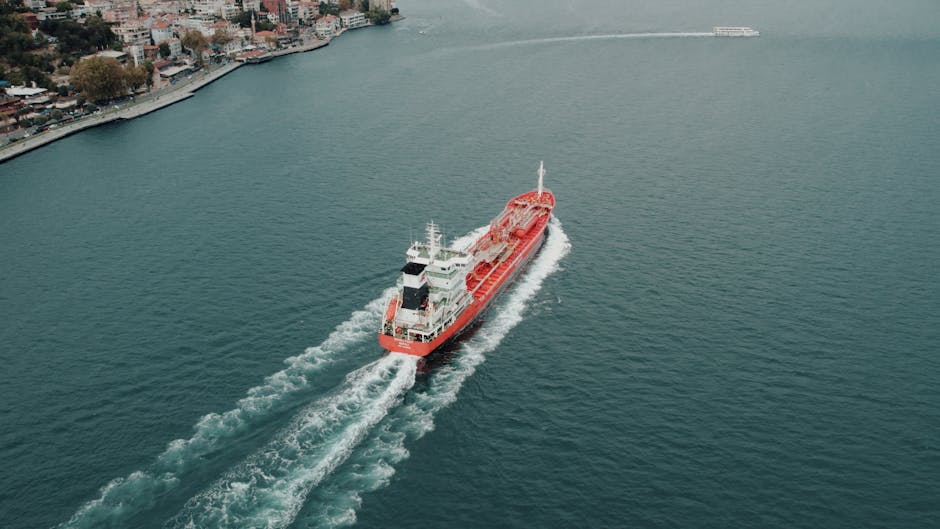
The strategic Strait of Hormuz remains a critical flashpoint for global markets, as recent developments indicate a continued impasse between the United States and Iran. Reports suggest a US overture to Iran concerning the free passage through the strait was rebuffed, with Tehran asserting that the vital shipping lane would not fully normalize until the broader conflict concludes. This rejection underscores the deep-seated tensions and the fragile nature of diplomatic efforts in the region.
The week commenced with cautious optimism as initial diplomatic overtures seemed to replace the immediate specter of military escalation. Statements from US officials hinted at forthcoming talks with Iran, signaling a potential de-escalation path. However, Tehran swiftly denied any formal negotiations were scheduled, casting a shadow of uncertainty over the prospects for meaningful progress. This back-and-forth communication highlights the complex and often contradictory signals emanating from both sides, leaving currency traders navigating a fog of geopolitical ambiguity.
Why This Matters for Forex Traders
For forex traders, the situation in the Strait of Hormuz is paramount due to its direct impact on global energy markets and overall risk sentiment. Approximately one-fifth of the world's total oil consumption, including almost all of Saudi Arabia's crude oil exports, passes through this narrow waterway. Any perceived threat to this choke point immediately sends crude oil prices higher, triggering a ripple effect across asset classes.
The ongoing uncertainty fosters a risk-off environment, bolstering demand for traditional safe-haven currencies while potentially pressuring those linked to global growth and commodity exports. The lack of a clear resolution means markets will remain hypersensitive to any news regarding the Strait, diplomatic breakthroughs, or renewed escalations.
Affected Currency Pairs and Outlook
Several currency pairs are particularly susceptible to these geopolitical currents:
* Safe Havens (USD, JPY, CHF): The US Dollar (USD) and Japanese Yen (JPY) typically strengthen during periods of heightened global uncertainty, benefiting from flight-to-safety flows. The Swiss Franc (CHF) also often acts as a safe-haven, although its reaction might be more muted against the USD. * Commodity Currencies (CAD, AUD, NOK): Currencies like the Canadian Dollar (CAD), Australian Dollar (AUD), and Norwegian Krone (NOK) are vulnerable. While higher oil prices might initially support the CAD and NOK, broader concerns about global trade disruptions and economic slowdowns can outweigh this benefit. The AUD, sensitive to global growth, could face downward pressure. * Major Crosses (EUR/USD, GBP/USD): Broader risk sentiment will heavily influence the EUR/USD and GBP/USD. A stronger USD driven by safe-haven demand would likely push these pairs lower. Conversely, any genuine de-escalation could see a rebound in risk appetite, potentially weakening the dollar.
Key Levels and Outlook:
Traders should closely monitor crude oil futures, as a sustained breach of key resistance levels could signal escalating tensions and further risk aversion. On the currency front, look for the USD/JPY to test resistance levels on safe-haven flows, while the EUR/USD and GBP/USD could re-test recent lows if the risk-off sentiment deepens. The outlook remains highly fluid, contingent on diplomatic developments and the actual flow of goods through the Strait. Volatility is likely to persist, making careful risk management crucial for all forex participants.
%22%2F%3E%0A%20%20%3C!--%20Grid%20lines%20--%3E%0A%20%20%3Cg%20stroke%3D%22%23ffffff%22%20stroke-opacity%3D%220.03%22%20stroke-width%3D%221%22%3E%0A%20%20%20%20%3Cline%20x1%3D%220%22%20y1%3D%2290%22%20x2%3D%22800%22%20y2%3D%2290%22%2F%3E%0A%20%20%20%20%3Cline%20x1%3D%220%22%20y1%3D%22180%22%20x2%3D%22800%22%20y2%3D%22180%22%2F%3E%0A%20%20%20%20%3Cline%20x1%3D%220%22%20y1%3D%22270%22%20x2%3D%22800%22%20y2%3D%22270%22%2F%3E%0A%20%20%20%20%3Cline%20x1%3D%220%22%20y1%3D%22360%22%20x2%3D%22800%22%20y2%3D%22360%22%2F%3E%0A%20%20%20%20%3Cline%20x1%3D%22160%22%20y1%3D%220%22%20x2%3D%22160%22%20y2%3D%22450%22%2F%3E%0A%20%20%20%20%3Cline%20x1%3D%22320%22%20y1%3D%220%22%20x2%3D%22320%22%20y2%3D%22450%22%2F%3E%0A%20%20%20%20%3Cline%20x1%3D%22480%22%20y1%3D%220%22%20x2%3D%22480%22%20y2%3D%22450%22%2F%3E%0A%20%20%20%20%3Cline%20x1%3D%22640%22%20y1%3D%220%22%20x2%3D%22640%22%20y2%3D%22450%22%2F%3E%0A%20%20%3C%2Fg%3E%0A%20%20%3C!--%20Chart%20line%20--%3E%0A%20%20%3Cpolyline%20fill%3D%22none%22%20stroke%3D%22url(%23line)%22%20stroke-width%3D%223%22%20stroke-linecap%3D%22round%22%20stroke-linejoin%3D%22round%22%0A%20%20%20%20points%3D%2280%2C320%20160%2C280%20240%2C300%20320%2C240%20400%2C260%20480%2C180%20560%2C200%20640%2C140%20720%2C160%22%2F%3E%0A%20%20%3C!--%20Area%20under%20chart%20--%3E%0A%20%20%3Cpolygon%20fill%3D%22url(%23line)%22%20opacity%3D%220.06%22%0A%20%20%20%20points%3D%2280%2C320%20160%2C280%20240%2C300%20320%2C240%20400%2C260%20480%2C180%20560%2C200%20640%2C140%20720%2C160%20720%2C400%2080%2C400%22%2F%3E%0A%20%20%3C!--%20Candlestick%20icons%20--%3E%0A%20%20%3Cg%20stroke%3D%22%232CB88E%22%20stroke-width%3D%222%22%20opacity%3D%220.4%22%3E%0A%20%20%20%20%3Cline%20x1%3D%22200%22%20y1%3D%22210%22%20x2%3D%22200%22%20y2%3D%22260%22%2F%3E%0A%20%20%20%20%3Crect%20x%3D%22194%22%20y%3D%22220%22%20width%3D%2212%22%20height%3D%2225%22%20fill%3D%22%232CB88E%22%20fill-opacity%3D%220.3%22%20rx%3D%221%22%2F%3E%0A%20%20%3C%2Fg%3E%0A%20%20%3Cg%20stroke%3D%22%23F4622A%22%20stroke-width%3D%222%22%20opacity%3D%220.4%22%3E%0A%20%20%20%20%3Cline%20x1%3D%22260%22%20y1%3D%22230%22%20x2%3D%22260%22%20y2%3D%22290%22%2F%3E%0A%20%20%20%20%3Crect%20x%3D%22254%22%20y%3D%22240%22%20width%3D%2212%22%20height%3D%2230%22%20fill%3D%22%23F4622A%22%20fill-opacity%3D%220.3%22%20rx%3D%221%22%2F%3E%0A%20%20%3C%2Fg%3E%0A%20%20%3Cg%20stroke%3D%22%232CB88E%22%20stroke-width%3D%222%22%20opacity%3D%220.4%22%3E%0A%20%20%20%20%3Cline%20x1%3D%22540%22%20y1%3D%22160%22%20x2%3D%22540%22%20y2%3D%22220%22%2F%3E%0A%20%20%20%20%3Crect%20x%3D%22534%22%20y%3D%22170%22%20width%3D%2212%22%20height%3D%2230%22%20fill%3D%22%232CB88E%22%20fill-opacity%3D%220.3%22%20rx%3D%221%22%2F%3E%0A%20%20%3C%2Fg%3E%0A%20%20%3C!--%20Center%20text%20--%3E%0A%20%20%3Ctext%20x%3D%22400%22%20y%3D%22215%22%20text-anchor%3D%22middle%22%20font-family%3D%22system-ui%2C%20-apple-system%2C%20sans-serif%22%20font-size%3D%2216%22%20font-weight%3D%22700%22%20fill%3D%22%23ffffff%22%20opacity%3D%220.15%22%20letter-spacing%3D%224%22%3EFOREX%20MARKET%3C%2Ftext%3E%0A%3C%2Fsvg%3E%0A)