Middle East Escalation: Navigating Forex Volatility Amidst Oil Supply Fears
Recent developments in the Middle East have once again thrust geopolitical risk to the forefront of the financial markets, particularly impacting crude oil and key currency pairs. A significant escalation involving Iran's expanded military actions and threats to shipping lanes in the Gulf mandates close attention from forex traders.
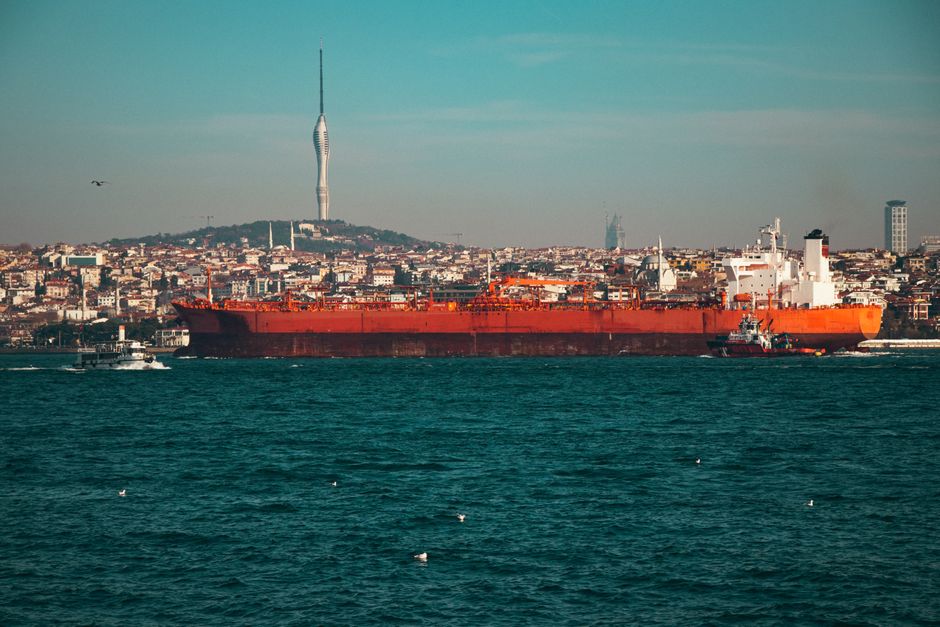
The situation has seen a material intensification, moving beyond previous contained flare-ups. Iran has reportedly broadened its strikes to include targets within Qatar and the UAE, nations that had largely avoided direct conflict for months. Crucially, Tehran has reiterated its declaration regarding the closure of the strategic Strait of Hormuz, a vital artery for global oil shipments, and warned vessels against unauthorized transit. This comes after recent US actions, including strikes on Iranian targets and the revocation of licenses permitting Iranian crude sales, effectively tightening the global oil supply further. While the US maintains that traffic continues via a southern route, the perceived threat to a critical chokepoint significantly amplifies market uncertainty.
This deepening crisis is being interpreted by the market as a fresh, substantial supply-risk premium event. The immediate implication is renewed upward pressure on global crude oil benchmarks like Brent and WTI. Higher oil prices translate directly into increased operating costs for businesses and elevated inflationary pressures worldwide. Beyond crude, expect a significant uptick in freight costs and war-risk insurance premiums for maritime transport through the region, impacting supply chains and overall economic sentiment. For forex traders, this translates into a flight to safety and heightened volatility across various currency pairs.
Affected Currency Pairs: * Safe Havens: The US Dollar (USD), Japanese Yen (JPY), and Swiss Franc (CHF) are likely to benefit from this renewed risk aversion, with the USD often seen as the ultimate safe haven due to its reserve currency status. * Commodity Currencies: Currencies of major oil exporters, primarily the Canadian Dollar (CAD), could see some support from rising crude prices. However, overall risk sentiment could cap gains if global growth concerns intensify. * Oil Importers: Currencies of nations heavily reliant on imported energy, such as the Euro (EUR) and British Pound (GBP), may face headwinds as higher oil prices exacerbate inflation and potentially dampen economic growth prospects in Europe. * Emerging Markets: Certain emerging market currencies tied to commodity imports or exhibiting higher geopolitical vulnerability could experience significant depreciation.
Key Levels & Outlook: * Crude Oil: Traders should monitor Brent Crude, which could target resistance levels around the $90-95 per barrel range, with further escalation potentially pushing it higher. WTI will likely follow suit. * USD Strength: The Dollar Index (DXY) is expected to remain firm, potentially retesting recent highs. Key levels to watch include 105.00 and 106.00. EUR/USD could face renewed pressure towards 1.0500 or even lower. * Risk Sentiment: Keep a close eye on global equity indices and bond yields for signs of sustained risk-off flows. The political sensitivity surrounding gasoline costs in the US ahead of upcoming midterms could also influence US engagement, potentially capping extreme oil price spikes if the US intervenes to keep alternative shipping routes open.
The evolving situation in the Middle East poses a significant challenge for forex traders. Prudent risk management, close monitoring of geopolitical headlines, and an understanding of the interconnectedness between energy markets and currency flows will be paramount in navigating the heightened volatility ahead.
%22%2F%3E%0A%20%20%3C!--%20Grid%20lines%20--%3E%0A%20%20%3Cg%20stroke%3D%22%23ffffff%22%20stroke-opacity%3D%220.03%22%20stroke-width%3D%221%22%3E%0A%20%20%20%20%3Cline%20x1%3D%220%22%20y1%3D%2290%22%20x2%3D%22800%22%20y2%3D%2290%22%2F%3E%0A%20%20%20%20%3Cline%20x1%3D%220%22%20y1%3D%22180%22%20x2%3D%22800%22%20y2%3D%22180%22%2F%3E%0A%20%20%20%20%3Cline%20x1%3D%220%22%20y1%3D%22270%22%20x2%3D%22800%22%20y2%3D%22270%22%2F%3E%0A%20%20%20%20%3Cline%20x1%3D%220%22%20y1%3D%22360%22%20x2%3D%22800%22%20y2%3D%22360%22%2F%3E%0A%20%20%20%20%3Cline%20x1%3D%22160%22%20y1%3D%220%22%20x2%3D%22160%22%20y2%3D%22450%22%2F%3E%0A%20%20%20%20%3Cline%20x1%3D%22320%22%20y1%3D%220%22%20x2%3D%22320%22%20y2%3D%22450%22%2F%3E%0A%20%20%20%20%3Cline%20x1%3D%22480%22%20y1%3D%220%22%20x2%3D%22480%22%20y2%3D%22450%22%2F%3E%0A%20%20%20%20%3Cline%20x1%3D%22640%22%20y1%3D%220%22%20x2%3D%22640%22%20y2%3D%22450%22%2F%3E%0A%20%20%3C%2Fg%3E%0A%20%20%3C!--%20Chart%20line%20--%3E%0A%20%20%3Cpolyline%20fill%3D%22none%22%20stroke%3D%22url(%23line)%22%20stroke-width%3D%223%22%20stroke-linecap%3D%22round%22%20stroke-linejoin%3D%22round%22%0A%20%20%20%20points%3D%2280%2C320%20160%2C280%20240%2C300%20320%2C240%20400%2C260%20480%2C180%20560%2C200%20640%2C140%20720%2C160%22%2F%3E%0A%20%20%3C!--%20Area%20under%20chart%20--%3E%0A%20%20%3Cpolygon%20fill%3D%22url(%23line)%22%20opacity%3D%220.06%22%0A%20%20%20%20points%3D%2280%2C320%20160%2C280%20240%2C300%20320%2C240%20400%2C260%20480%2C180%20560%2C200%20640%2C140%20720%2C160%20720%2C400%2080%2C400%22%2F%3E%0A%20%20%3C!--%20Candlestick%20icons%20--%3E%0A%20%20%3Cg%20stroke%3D%22%232CB88E%22%20stroke-width%3D%222%22%20opacity%3D%220.4%22%3E%0A%20%20%20%20%3Cline%20x1%3D%22200%22%20y1%3D%22210%22%20x2%3D%22200%22%20y2%3D%22260%22%2F%3E%0A%20%20%20%20%3Crect%20x%3D%22194%22%20y%3D%22220%22%20width%3D%2212%22%20height%3D%2225%22%20fill%3D%22%232CB88E%22%20fill-opacity%3D%220.3%22%20rx%3D%221%22%2F%3E%0A%20%20%3C%2Fg%3E%0A%20%20%3Cg%20stroke%3D%22%23F4622A%22%20stroke-width%3D%222%22%20opacity%3D%220.4%22%3E%0A%20%20%20%20%3Cline%20x1%3D%22260%22%20y1%3D%22230%22%20x2%3D%22260%22%20y2%3D%22290%22%2F%3E%0A%20%20%20%20%3Crect%20x%3D%22254%22%20y%3D%22240%22%20width%3D%2212%22%20height%3D%2230%22%20fill%3D%22%23F4622A%22%20fill-opacity%3D%220.3%22%20rx%3D%221%22%2F%3E%0A%20%20%3C%2Fg%3E%0A%20%20%3Cg%20stroke%3D%22%232CB88E%22%20stroke-width%3D%222%22%20opacity%3D%220.4%22%3E%0A%20%20%20%20%3Cline%20x1%3D%22540%22%20y1%3D%22160%22%20x2%3D%22540%22%20y2%3D%22220%22%2F%3E%0A%20%20%20%20%3Crect%20x%3D%22534%22%20y%3D%22170%22%20width%3D%2212%22%20height%3D%2230%22%20fill%3D%22%232CB88E%22%20fill-opacity%3D%220.3%22%20rx%3D%221%22%2F%3E%0A%20%20%3C%2Fg%3E%0A%20%20%3C!--%20Center%20text%20--%3E%0A%20%20%3Ctext%20x%3D%22400%22%20y%3D%22215%22%20text-anchor%3D%22middle%22%20font-family%3D%22system-ui%2C%20-apple-system%2C%20sans-serif%22%20font-size%3D%2216%22%20font-weight%3D%22700%22%20fill%3D%22%23ffffff%22%20opacity%3D%220.15%22%20letter-spacing%3D%224%22%3EFOREX%20MARKET%3C%2Ftext%3E%0A%3C%2Fsvg%3E%0A)