Middle East Tensions Ignite Oil Prices, Reshaping Forex Outlook
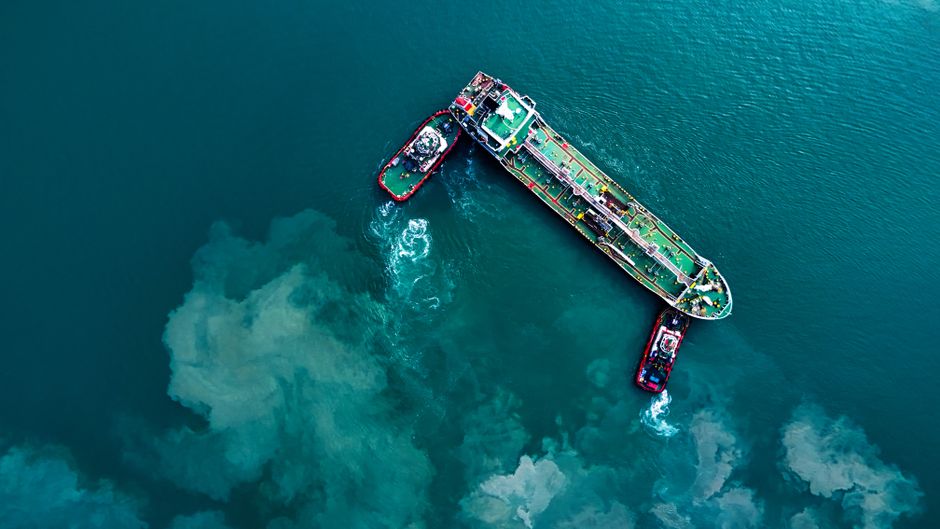
Global energy markets have kicked off the new week with significant volatility, as crude oil prices surged amidst escalating geopolitical tensions in the Middle East. Renewed friction between the United States and Iran, marked by an exchange of strikes and increased military presence, has cast a long shadow over the crucial Strait of Hormuz, a vital artery for global oil shipments.
The strategic waterway, through which a substantial portion of the world's seaborne oil passes, is currently experiencing significantly reduced traffic. Reports indicate a sharp decline in daily ship transits, with LNG tankers almost entirely absent and remaining passages deemed high-risk. This effectively means only vessels with strong affiliations to Iran or China are navigating the northern corridor, severely constricting the flow of energy resources from the region. This development has immediately translated into a substantial geopolitical risk premium being priced into crude oil benchmarks.
For forex traders, this situation carries profound implications. The immediate surge in crude oil prices directly impacts inflation expectations globally, potentially complicating the monetary policy decisions of central banks already grappling with price stability. Higher energy costs can dampen consumer spending and economic growth, fostering a risk-off sentiment across financial markets. This environment typically bolsters demand for traditional safe-haven currencies while putting pressure on growth-sensitive or energy-importing economies.
Several currency pairs are particularly sensitive to these developments. Oil-exporting nations like Canada (CAD) and Norway (NOK) often see their currencies strengthen as crude prices climb, reflecting improved terms of trade and increased export revenues. Traders should monitor pairs such as USD/CAD and EUR/NOK for potential directional shifts. Conversely, the US Dollar (USD), Japanese Yen (JPY), and Swiss Franc (CHF) are prime beneficiaries during periods of heightened global uncertainty, attracting capital as investors seek refuge from market volatility. Pairs like EUR/USD, GBP/JPY, and AUD/CHF could experience significant pressure.
From a technical perspective, West Texas Intermediate (WTI) crude oil has rapidly pushed past key psychological barriers, with its sights now set on the $85 to $90 per barrel range. Sustained tensions could see prices challenge even higher levels. For currency markets, a prolonged period of elevated oil prices and geopolitical instability is likely to reinforce the US Dollar's safe-haven appeal, potentially pushing EUR/USD towards the lower end of its recent range. Meanwhile, the JPY and CHF could experience intermittent strength, though their central bank policies and domestic economic data will also play a crucial role. Traders must remain vigilant, as the geopolitical landscape remains fluid, promising continued volatility across energy and currency markets.
%22%2F%3E%0A%20%20%3C!--%20Grid%20lines%20--%3E%0A%20%20%3Cg%20stroke%3D%22%23ffffff%22%20stroke-opacity%3D%220.03%22%20stroke-width%3D%221%22%3E%0A%20%20%20%20%3Cline%20x1%3D%220%22%20y1%3D%2290%22%20x2%3D%22800%22%20y2%3D%2290%22%2F%3E%0A%20%20%20%20%3Cline%20x1%3D%220%22%20y1%3D%22180%22%20x2%3D%22800%22%20y2%3D%22180%22%2F%3E%0A%20%20%20%20%3Cline%20x1%3D%220%22%20y1%3D%22270%22%20x2%3D%22800%22%20y2%3D%22270%22%2F%3E%0A%20%20%20%20%3Cline%20x1%3D%220%22%20y1%3D%22360%22%20x2%3D%22800%22%20y2%3D%22360%22%2F%3E%0A%20%20%20%20%3Cline%20x1%3D%22160%22%20y1%3D%220%22%20x2%3D%22160%22%20y2%3D%22450%22%2F%3E%0A%20%20%20%20%3Cline%20x1%3D%22320%22%20y1%3D%220%22%20x2%3D%22320%22%20y2%3D%22450%22%2F%3E%0A%20%20%20%20%3Cline%20x1%3D%22480%22%20y1%3D%220%22%20x2%3D%22480%22%20y2%3D%22450%22%2F%3E%0A%20%20%20%20%3Cline%20x1%3D%22640%22%20y1%3D%220%22%20x2%3D%22640%22%20y2%3D%22450%22%2F%3E%0A%20%20%3C%2Fg%3E%0A%20%20%3C!--%20Chart%20line%20--%3E%0A%20%20%3Cpolyline%20fill%3D%22none%22%20stroke%3D%22url(%23line)%22%20stroke-width%3D%223%22%20stroke-linecap%3D%22round%22%20stroke-linejoin%3D%22round%22%0A%20%20%20%20points%3D%2280%2C320%20160%2C280%20240%2C300%20320%2C240%20400%2C260%20480%2C180%20560%2C200%20640%2C140%20720%2C160%22%2F%3E%0A%20%20%3C!--%20Area%20under%20chart%20--%3E%0A%20%20%3Cpolygon%20fill%3D%22url(%23line)%22%20opacity%3D%220.06%22%0A%20%20%20%20points%3D%2280%2C320%20160%2C280%20240%2C300%20320%2C240%20400%2C260%20480%2C180%20560%2C200%20640%2C140%20720%2C160%20720%2C400%2080%2C400%22%2F%3E%0A%20%20%3C!--%20Candlestick%20icons%20--%3E%0A%20%20%3Cg%20stroke%3D%22%232CB88E%22%20stroke-width%3D%222%22%20opacity%3D%220.4%22%3E%0A%20%20%20%20%3Cline%20x1%3D%22200%22%20y1%3D%22210%22%20x2%3D%22200%22%20y2%3D%22260%22%2F%3E%0A%20%20%20%20%3Crect%20x%3D%22194%22%20y%3D%22220%22%20width%3D%2212%22%20height%3D%2225%22%20fill%3D%22%232CB88E%22%20fill-opacity%3D%220.3%22%20rx%3D%221%22%2F%3E%0A%20%20%3C%2Fg%3E%0A%20%20%3Cg%20stroke%3D%22%23F4622A%22%20stroke-width%3D%222%22%20opacity%3D%220.4%22%3E%0A%20%20%20%20%3Cline%20x1%3D%22260%22%20y1%3D%22230%22%20x2%3D%22260%22%20y2%3D%22290%22%2F%3E%0A%20%20%20%20%3Crect%20x%3D%22254%22%20y%3D%22240%22%20width%3D%2212%22%20height%3D%2230%22%20fill%3D%22%23F4622A%22%20fill-opacity%3D%220.3%22%20rx%3D%221%22%2F%3E%0A%20%20%3C%2Fg%3E%0A%20%20%3Cg%20stroke%3D%22%232CB88E%22%20stroke-width%3D%222%22%20opacity%3D%220.4%22%3E%0A%20%20%20%20%3Cline%20x1%3D%22540%22%20y1%3D%22160%22%20x2%3D%22540%22%20y2%3D%22220%22%2F%3E%0A%20%20%20%20%3Crect%20x%3D%22534%22%20y%3D%22170%22%20width%3D%2212%22%20height%3D%2230%22%20fill%3D%22%232CB88E%22%20fill-opacity%3D%220.3%22%20rx%3D%221%22%2F%3E%0A%20%20%3C%2Fg%3E%0A%20%20%3C!--%20Center%20text%20--%3E%0A%20%20%3Ctext%20x%3D%22400%22%20y%3D%22215%22%20text-anchor%3D%22middle%22%20font-family%3D%22system-ui%2C%20-apple-system%2C%20sans-serif%22%20font-size%3D%2216%22%20font-weight%3D%22700%22%20fill%3D%22%23ffffff%22%20opacity%3D%220.15%22%20letter-spacing%3D%224%22%3EFOREX%20MARKET%3C%2Ftext%3E%0A%3C%2Fsvg%3E%0A)