Middle East Tensions Mount: What It Means for Forex Traders
Global financial markets are on edge following reports that the United States is weighing intensified military action against Iran. This development, stemming from high-level discussions within the Trump administration, injects significant geopolitical risk into the trading landscape and demands close attention from forex participants.
Sources indicate President Trump recently convened with senior advisors and Cabinet officials to deliberate potential strategies for increasing military pressure on Tehran. This pivotal meeting comes amidst a backdrop of escalating tensions, marked by the collapse of a prior ceasefire agreement and the failure of a memorandum of understanding (MOU) aimed at facilitating broader nuclear negotiations. Adding to the gravity, previous reports hinted at the possibility of a U.S. military response significantly more substantial than past engagements. Further complicating the regional dynamics, Israeli Prime Minister Benjamin Netanyahu is slated to visit the White House next week, a meeting that could further shape the administration's stance and rhetoric regarding Iran.
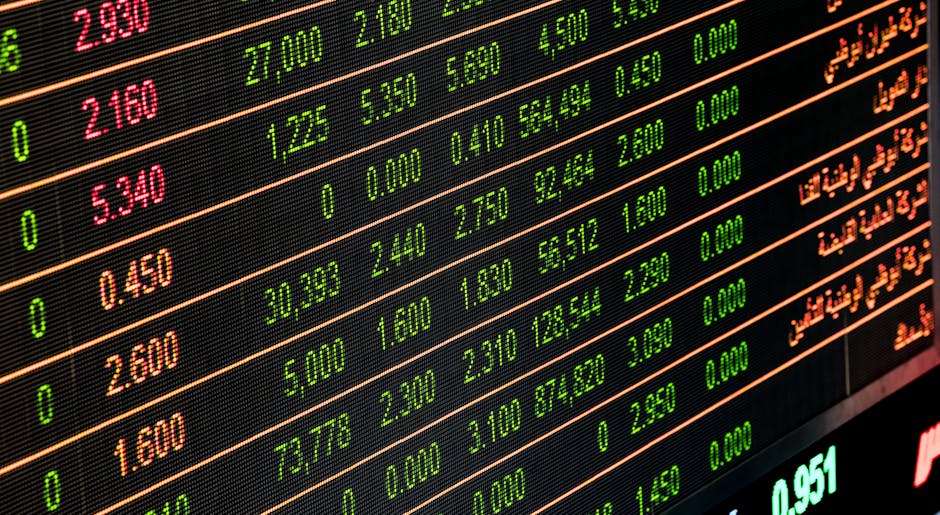
Such heightened geopolitical uncertainty almost invariably triggers a 'flight to safety' among investors. When the risk of conflict rises, capital tends to flow out of riskier assets like stocks and growth-sensitive currencies and into perceived safe havens. This phenomenon drives down equity indices, as seen with recent dips in the Dow, NASDAQ, and S&P 500. More critically for forex traders, it creates predictable shifts in currency valuations. Furthermore, any military escalation in the Middle East carries the potential for significant disruption to global oil supplies, leading to price spikes that directly impact commodity-linked currencies and broader inflation expectations.
Traders should closely monitor traditional safe-haven currencies. The Japanese Yen (JPY) and Swiss Franc (CHF) are prime beneficiaries during periods of global instability, often strengthening against most major pairs. While the U.S. Dollar (USD) can also act as a safe haven due to its reserve currency status, its role in initiating potential action can create a complex dynamic. Against the Euro, EUR/USD typically sees downward pressure as the Eurozone's economic sensitivity to global trade and energy costs makes it vulnerable. Commodity currencies such as the Australian Dollar (AUD), New Zealand Dollar (NZD), and especially the Canadian Dollar (CAD) – given its strong link to oil prices – are likely to face headwinds. Gold (XAU/USD) is also a key barometer of risk sentiment and often rallies sharply during crises.
Expect increased volatility across the board. On the technical front, watch for critical support levels on safe-haven pairs like USD/JPY (potential for a break below recent lows if risk aversion intensifies) and resistance levels on USD/CHF. For EUR/USD, a sustained move below key psychological levels could signal further downside. The trajectory of oil prices will be crucial for CAD pairs. Traders should prepare for rapid market movements, exercise caution, and stay updated on geopolitical headlines. Any confirmed military action or diplomatic breakthrough will likely elicit a strong market reaction, making risk management paramount.