Middle East Tensions Reignite Forex Volatility: A Trader's Guide
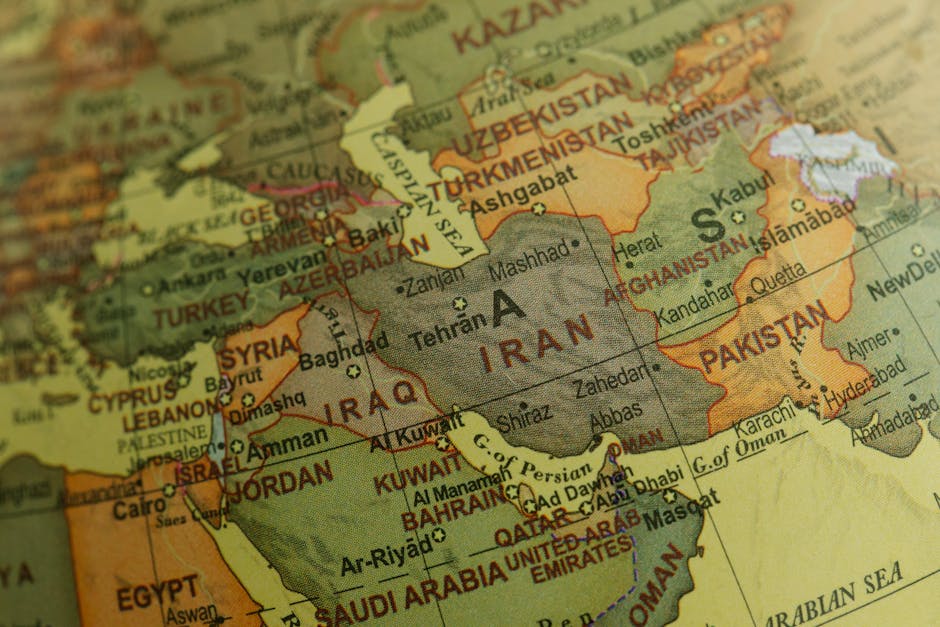
The global forex market has entered a new week grappling with familiar headwinds: escalating geopolitical tensions between the United States and Iran. Despite previous diplomatic overtures and efforts towards de-escalation, recent days have witnessed a worrying resurgence of military actions from both sides. This renewed friction effectively signals the breakdown of any prior ceasefire agreements or understandings, casting a shadow of uncertainty over an already fragile economic landscape. A critical focal point remains the Strait of Hormuz, a vital shipping lane for global oil supplies, which continues to operate under de facto closure amidst the heightened alert.
For forex traders, this resurgence of instability translates directly into increased market volatility and a pronounced shift in risk sentiment. Periods of geopolitical unrest, particularly in key oil-producing regions, typically trigger a 'risk-off' environment. This means investors tend to divest from growth-sensitive or riskier assets, moving capital towards perceived safe havens. The implications are broad, affecting everything from equity markets to commodity prices, but their impact on currency valuations is often immediate and significant, requiring a proactive trading strategy.
Several key currency pairs are particularly susceptible to these developments. Safe-haven currencies, such as the Japanese Yen (JPY) and the Swiss Franc (CHF), tend to strengthen as traders seek refuge from uncertainty. The US Dollar (USD) also frequently benefits from safe-haven flows, especially in times of global stress, potentially pushing pairs like EUR/USD lower. Conversely, risk-sensitive commodity currencies like the Australian Dollar (AUD) and New Zealand Dollar (NZD) typically face selling pressure. Pairs such as AUD/USD and NZD/USD are likely to see downward momentum, while crosses involving these currencies against safe havens, like AUD/JPY, could experience sharper declines. Furthermore, any disruption to oil supplies could impact oil-linked currencies, though the broader risk-off mood often overshadows this.
Looking ahead, market participants should brace for continued volatility. Key technical support levels for safe-haven currencies like USD/JPY and USD/CHF could be tested and potentially breached as demand for safety persists. Conversely, major support zones for risk-sensitive pairs such as AUD/USD and EUR/USD may come under renewed pressure, threatening recent lows. Traders should closely monitor headlines from the Middle East for any signs of further escalation or de-escalation, as these will be the primary drivers of price action. Maintaining prudent risk management, including appropriate position sizing and stop-loss orders, is paramount in this unpredictable environment. The outlook suggests that geopolitical concerns will continue to dictate market sentiment in the near term, demanding vigilance and adaptability from forex traders.
%22%2F%3E%0A%20%20%3C!--%20Grid%20lines%20--%3E%0A%20%20%3Cg%20stroke%3D%22%23ffffff%22%20stroke-opacity%3D%220.03%22%20stroke-width%3D%221%22%3E%0A%20%20%20%20%3Cline%20x1%3D%220%22%20y1%3D%2290%22%20x2%3D%22800%22%20y2%3D%2290%22%2F%3E%0A%20%20%20%20%3Cline%20x1%3D%220%22%20y1%3D%22180%22%20x2%3D%22800%22%20y2%3D%22180%22%2F%3E%0A%20%20%20%20%3Cline%20x1%3D%220%22%20y1%3D%22270%22%20x2%3D%22800%22%20y2%3D%22270%22%2F%3E%0A%20%20%20%20%3Cline%20x1%3D%220%22%20y1%3D%22360%22%20x2%3D%22800%22%20y2%3D%22360%22%2F%3E%0A%20%20%20%20%3Cline%20x1%3D%22160%22%20y1%3D%220%22%20x2%3D%22160%22%20y2%3D%22450%22%2F%3E%0A%20%20%20%20%3Cline%20x1%3D%22320%22%20y1%3D%220%22%20x2%3D%22320%22%20y2%3D%22450%22%2F%3E%0A%20%20%20%20%3Cline%20x1%3D%22480%22%20y1%3D%220%22%20x2%3D%22480%22%20y2%3D%22450%22%2F%3E%0A%20%20%20%20%3Cline%20x1%3D%22640%22%20y1%3D%220%22%20x2%3D%22640%22%20y2%3D%22450%22%2F%3E%0A%20%20%3C%2Fg%3E%0A%20%20%3C!--%20Chart%20line%20--%3E%0A%20%20%3Cpolyline%20fill%3D%22none%22%20stroke%3D%22url(%23line)%22%20stroke-width%3D%223%22%20stroke-linecap%3D%22round%22%20stroke-linejoin%3D%22round%22%0A%20%20%20%20points%3D%2280%2C320%20160%2C280%20240%2C300%20320%2C240%20400%2C260%20480%2C180%20560%2C200%20640%2C140%20720%2C160%22%2F%3E%0A%20%20%3C!--%20Area%20under%20chart%20--%3E%0A%20%20%3Cpolygon%20fill%3D%22url(%23line)%22%20opacity%3D%220.06%22%0A%20%20%20%20points%3D%2280%2C320%20160%2C280%20240%2C300%20320%2C240%20400%2C260%20480%2C180%20560%2C200%20640%2C140%20720%2C160%20720%2C400%2080%2C400%22%2F%3E%0A%20%20%3C!--%20Candlestick%20icons%20--%3E%0A%20%20%3Cg%20stroke%3D%22%232CB88E%22%20stroke-width%3D%222%22%20opacity%3D%220.4%22%3E%0A%20%20%20%20%3Cline%20x1%3D%22200%22%20y1%3D%22210%22%20x2%3D%22200%22%20y2%3D%22260%22%2F%3E%0A%20%20%20%20%3Crect%20x%3D%22194%22%20y%3D%22220%22%20width%3D%2212%22%20height%3D%2225%22%20fill%3D%22%232CB88E%22%20fill-opacity%3D%220.3%22%20rx%3D%221%22%2F%3E%0A%20%20%3C%2Fg%3E%0A%20%20%3Cg%20stroke%3D%22%23F4622A%22%20stroke-width%3D%222%22%20opacity%3D%220.4%22%3E%0A%20%20%20%20%3Cline%20x1%3D%22260%22%20y1%3D%22230%22%20x2%3D%22260%22%20y2%3D%22290%22%2F%3E%0A%20%20%20%20%3Crect%20x%3D%22254%22%20y%3D%22240%22%20width%3D%2212%22%20height%3D%2230%22%20fill%3D%22%23F4622A%22%20fill-opacity%3D%220.3%22%20rx%3D%221%22%2F%3E%0A%20%20%3C%2Fg%3E%0A%20%20%3Cg%20stroke%3D%22%232CB88E%22%20stroke-width%3D%222%22%20opacity%3D%220.4%22%3E%0A%20%20%20%20%3Cline%20x1%3D%22540%22%20y1%3D%22160%22%20x2%3D%22540%22%20y2%3D%22220%22%2F%3E%0A%20%20%20%20%3Crect%20x%3D%22534%22%20y%3D%22170%22%20width%3D%2212%22%20height%3D%2230%22%20fill%3D%22%232CB88E%22%20fill-opacity%3D%220.3%22%20rx%3D%221%22%2F%3E%0A%20%20%3C%2Fg%3E%0A%20%20%3C!--%20Center%20text%20--%3E%0A%20%20%3Ctext%20x%3D%22400%22%20y%3D%22215%22%20text-anchor%3D%22middle%22%20font-family%3D%22system-ui%2C%20-apple-system%2C%20sans-serif%22%20font-size%3D%2216%22%20font-weight%3D%22700%22%20fill%3D%22%23ffffff%22%20opacity%3D%220.15%22%20letter-spacing%3D%224%22%3EFOREX%20MARKET%3C%2Ftext%3E%0A%3C%2Fsvg%3E%0A)