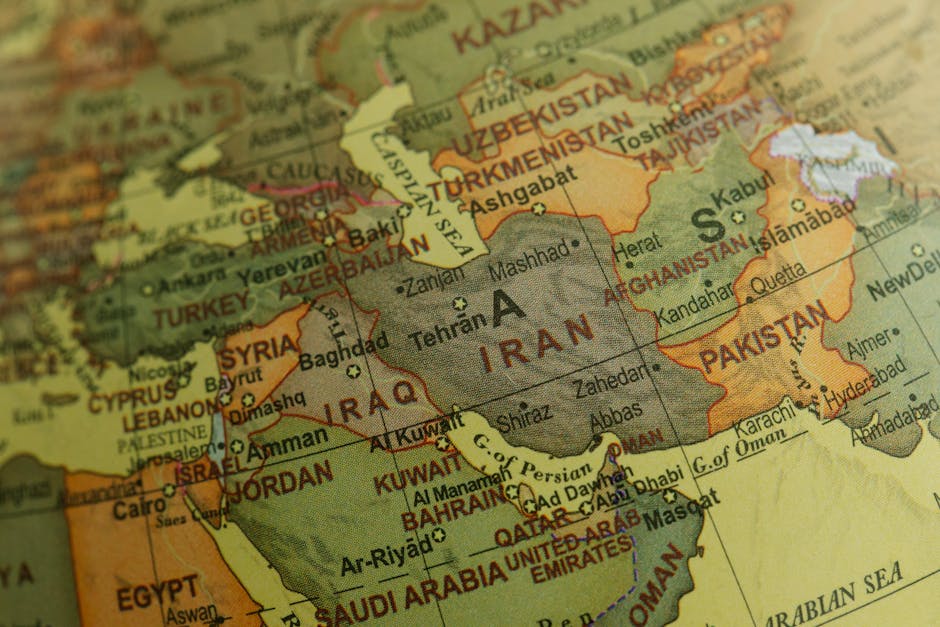
Middle East Tensions Spike: Trump's Iran Stance Jolts Forex Markets
A recent meeting between President Trump and Lebanese President Joseph Aoun at the White House quickly shifted focus from bilateral relations to heightened geopolitical tensions concerning Iran. While the discussions touched upon U.S. support for Lebanon and its military, the dominant theme emerging from President Trump's remarks was a significantly hardened stance against Tehran, including a specific, unprecedented military threat.
President Trump reiterated strong condemnation of the Iranian leadership, stating a firm disinterest in diplomatic engagement until Iran is 'ready' to meet U.S. demands. Crucially, he issued a direct warning, asserting that the U.S. would prevent Iran from acquiring nuclear weapons and would 'hit any site Iran is thinking about having nuclear.' This was followed by an alarming statement about hitting the 'Pickaxe Mountain area' soon, signaling a potential escalation of military action in the region. These remarks underscore the administration's aggressive posture and its willingness to consider preemptive strikes.
For forex traders, these developments translate directly into increased market uncertainty and a strong 'risk-off' sentiment. Geopolitical instability in the Middle East, particularly the prospect of military confrontation involving a major oil producer like Iran, typically drives investors towards safe-haven assets. The potential for disruption to global oil supplies also has significant implications for commodity-linked currencies and broader economic sentiment.
Currency pairs most directly affected by such geopolitical shifts include traditional safe havens. The Japanese Yen (JPY) and Swiss Franc (CHF) are likely to see sustained demand, leading to potential appreciation against riskier counterparts like the Euro (EUR) and Australian Dollar (AUD). The U.S. Dollar (USD) often benefits from safe-haven flows during global crises, though its role can be complex as the source of some of the tension. Oil-exporting currencies, such as the Canadian Dollar (CAD), could experience mixed reactions; while higher oil prices might initially support CAD, broader risk aversion could outweigh this benefit, particularly against the USD.
Given the explicit threat of military action, traders should prepare for elevated volatility. Key support levels in risk-sensitive pairs like EUR/USD or AUD/USD could be tested, while resistance levels in safe-haven pairs like USD/JPY (potentially pushing lower) or USD/CHF (potentially pushing higher) warrant close attention. The outlook suggests that any further rhetoric or perceived escalation from either side will continue to fuel market anxiety, with a strong emphasis on monitoring news regarding the 'Pickaxe Mountain area' and broader Middle East developments. Traders are advised to exercise caution and maintain tight risk management strategies.
%22%2F%3E%0A%20%20%3C!--%20Grid%20lines%20--%3E%0A%20%20%3Cg%20stroke%3D%22%23ffffff%22%20stroke-opacity%3D%220.03%22%20stroke-width%3D%221%22%3E%0A%20%20%20%20%3Cline%20x1%3D%220%22%20y1%3D%2290%22%20x2%3D%22800%22%20y2%3D%2290%22%2F%3E%0A%20%20%20%20%3Cline%20x1%3D%220%22%20y1%3D%22180%22%20x2%3D%22800%22%20y2%3D%22180%22%2F%3E%0A%20%20%20%20%3Cline%20x1%3D%220%22%20y1%3D%22270%22%20x2%3D%22800%22%20y2%3D%22270%22%2F%3E%0A%20%20%20%20%3Cline%20x1%3D%220%22%20y1%3D%22360%22%20x2%3D%22800%22%20y2%3D%22360%22%2F%3E%0A%20%20%20%20%3Cline%20x1%3D%22160%22%20y1%3D%220%22%20x2%3D%22160%22%20y2%3D%22450%22%2F%3E%0A%20%20%20%20%3Cline%20x1%3D%22320%22%20y1%3D%220%22%20x2%3D%22320%22%20y2%3D%22450%22%2F%3E%0A%20%20%20%20%3Cline%20x1%3D%22480%22%20y1%3D%220%22%20x2%3D%22480%22%20y2%3D%22450%22%2F%3E%0A%20%20%20%20%3Cline%20x1%3D%22640%22%20y1%3D%220%22%20x2%3D%22640%22%20y2%3D%22450%22%2F%3E%0A%20%20%3C%2Fg%3E%0A%20%20%3C!--%20Chart%20line%20--%3E%0A%20%20%3Cpolyline%20fill%3D%22none%22%20stroke%3D%22url(%23line)%22%20stroke-width%3D%223%22%20stroke-linecap%3D%22round%22%20stroke-linejoin%3D%22round%22%0A%20%20%20%20points%3D%2280%2C320%20160%2C280%20240%2C300%20320%2C240%20400%2C260%20480%2C180%20560%2C200%20640%2C140%20720%2C160%22%2F%3E%0A%20%20%3C!--%20Area%20under%20chart%20--%3E%0A%20%20%3Cpolygon%20fill%3D%22url(%23line)%22%20opacity%3D%220.06%22%0A%20%20%20%20points%3D%2280%2C320%20160%2C280%20240%2C300%20320%2C240%20400%2C260%20480%2C180%20560%2C200%20640%2C140%20720%2C160%20720%2C400%2080%2C400%22%2F%3E%0A%20%20%3C!--%20Candlestick%20icons%20--%3E%0A%20%20%3Cg%20stroke%3D%22%232CB88E%22%20stroke-width%3D%222%22%20opacity%3D%220.4%22%3E%0A%20%20%20%20%3Cline%20x1%3D%22200%22%20y1%3D%22210%22%20x2%3D%22200%22%20y2%3D%22260%22%2F%3E%0A%20%20%20%20%3Crect%20x%3D%22194%22%20y%3D%22220%22%20width%3D%2212%22%20height%3D%2225%22%20fill%3D%22%232CB88E%22%20fill-opacity%3D%220.3%22%20rx%3D%221%22%2F%3E%0A%20%20%3C%2Fg%3E%0A%20%20%3Cg%20stroke%3D%22%23F4622A%22%20stroke-width%3D%222%22%20opacity%3D%220.4%22%3E%0A%20%20%20%20%3Cline%20x1%3D%22260%22%20y1%3D%22230%22%20x2%3D%22260%22%20y2%3D%22290%22%2F%3E%0A%20%20%20%20%3Crect%20x%3D%22254%22%20y%3D%22240%22%20width%3D%2212%22%20height%3D%2230%22%20fill%3D%22%23F4622A%22%20fill-opacity%3D%220.3%22%20rx%3D%221%22%2F%3E%0A%20%20%3C%2Fg%3E%0A%20%20%3Cg%20stroke%3D%22%232CB88E%22%20stroke-width%3D%222%22%20opacity%3D%220.4%22%3E%0A%20%20%20%20%3Cline%20x1%3D%22540%22%20y1%3D%22160%22%20x2%3D%22540%22%20y2%3D%22220%22%2F%3E%0A%20%20%20%20%3Crect%20x%3D%22534%22%20y%3D%22170%22%20width%3D%2212%22%20height%3D%2230%22%20fill%3D%22%232CB88E%22%20fill-opacity%3D%220.3%22%20rx%3D%221%22%2F%3E%0A%20%20%3C%2Fg%3E%0A%20%20%3C!--%20Center%20text%20--%3E%0A%20%20%3Ctext%20x%3D%22400%22%20y%3D%22215%22%20text-anchor%3D%22middle%22%20font-family%3D%22system-ui%2C%20-apple-system%2C%20sans-serif%22%20font-size%3D%2216%22%20font-weight%3D%22700%22%20fill%3D%22%23ffffff%22%20opacity%3D%220.15%22%20letter-spacing%3D%224%22%3EFOREX%20MARKET%3C%2Ftext%3E%0A%3C%2Fsvg%3E%0A)