NZD Retail Sales Slump: RBNZ Policy Implications
New Zealand's economy experienced an unexpected setback in the second quarter of 2026, as newly released retail sales figures revealed a significant contraction in consumer spending. This data point is crucial for forex traders, as it offers a glimpse into the nation's economic health and potential shifts in monetary policy.
Decoding New Zealand's Retail Sales Slump
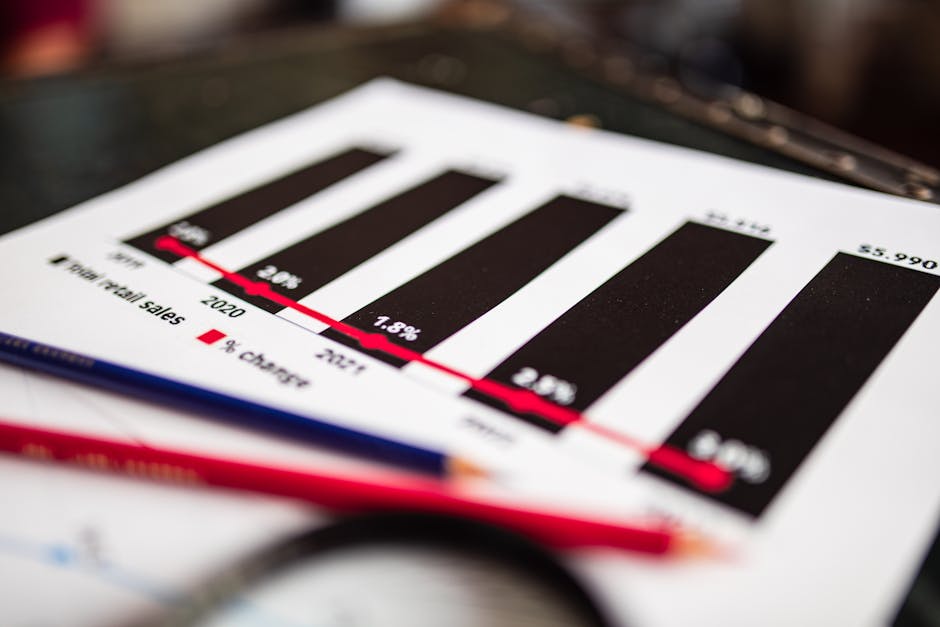
The Q2 2026 retail sales report showed a notable decline, with a quarter-on-quarter contraction of -0.5%. This figure sharply contrasts with the +0.9% growth recorded in the previous quarter and falls well below market expectations of a modest +0.1% increase. On an annual basis, the growth rate also decelerated, slowing to +3.3% year-on-year from the prior +4.5%. This broad-based slowdown in consumer activity signals a cooling economy, which could have ripple effects across various sectors.
Why This Matters for Forex Traders
Retail sales data serves as a vital barometer for economic performance and inflationary pressures. A significant slowdown, particularly an unexpected contraction, suggests that domestic demand might be weakening. For the Reserve Bank of New Zealand (RBNZ), this data could ease the urgency for further aggressive interest rate hikes, or even prompt discussions about the timing of potential rate cuts in the future.
Forex traders pay close attention to such economic indicators because they directly influence central bank policy. A less hawkish RBNZ stance, or even a dovish pivot, would likely diminish the attractiveness of the New Zealand Dollar (NZD) relative to other major currencies, impacting interest rate differentials which are a key driver of currency valuations. Weaker consumer confidence and spending can also foreshadow broader economic challenges, affecting overall market sentiment towards the NZD.
Key Currency Pairs Affected
NZD/USD
As the most direct pairing, NZD/USD is highly sensitive to New Zealand's economic data. A disappointing retail sales report generally exerts downward pressure on the Kiwi, reflecting reduced expectations for RBNZ tightening and a potential weakening of the New Zealand economy. Traders will be looking for how this data is priced into future RBNZ rate hike probabilities.
AUD/NZD
This cross-currency pair often acts as a gauge of relative economic performance between Australia and New Zealand. If the Australian economy shows greater resilience or its central bank maintains a more hawkish stance, the AUD/NZD pair could experience upward momentum, reflecting a divergence in monetary policy outlooks and economic strength.
NZD/JPY
Often considered a carry-trade currency due to New Zealand's historically higher interest rates, the NZD/JPY pair is also sensitive to risk sentiment and interest rate differentials. A fading hawkish RBNZ narrative, spurred by weaker data, could reduce the NZD's carry appeal and increase its vulnerability to shifts in global risk appetite.
Technical Outlook & Trading Perspective
While the immediate market reaction saw the NZD consolidate around the 0.5970 level, the underlying fundamental picture suggests a growing bearish bias for the currency. Traders should monitor key support levels for NZD/USD, as a sustained break could signal further downside potential. Conversely, resistance levels around recent consolidation zones will be critical to watch for any signs of a rebound.
The focus now shifts to upcoming economic releases and, crucially, the RBNZ's next monetary policy statement. Any hints of a less aggressive tightening path or an earlier pivot to rate cuts would likely reinforce a softer outlook for the New Zealand Dollar. Vigilance and adaptability will be key for navigating the NZD's trajectory in the coming weeks.