Strait of Hormuz Standoff: Lingering Oil Market Impact & Forex Implications
The Strait of Hormuz, a critical maritime chokepoint connecting the Persian Gulf to the open ocean, remains a focal point of geopolitical tension. Weeks after initial escalations, the situation surrounding vessel traffic through this vital waterway shows little signs of significant normalisation. For forex traders, understanding the persistent dynamics here is crucial, as it directly impacts global energy markets and, consequently, various currency pairs.
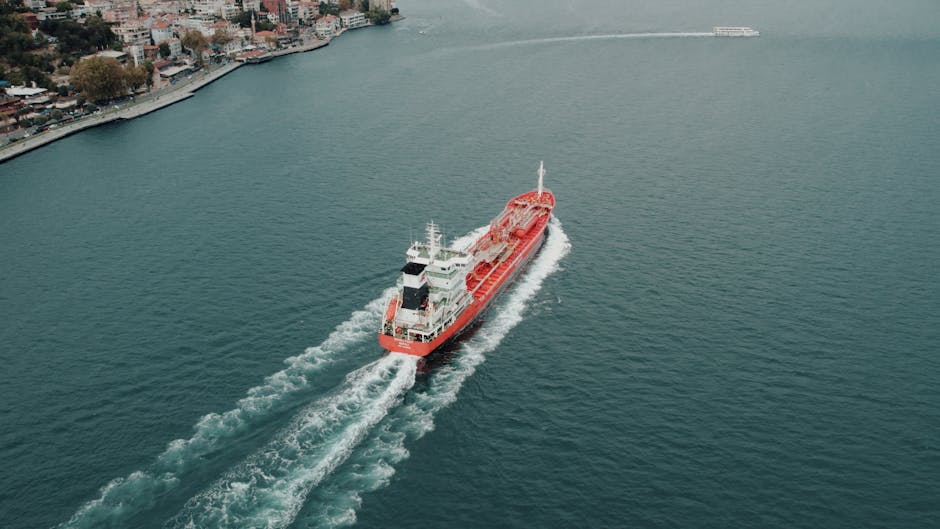
Recent observations indicate a continued subdued flow of crude oil tankers navigating the Strait. While overall vessel transit numbers hover around typical averages, the crucial segment of crude oil carriers consistently remains at significantly lower levels. This suggests ongoing caution or strategic re-routing by shipping companies, reflecting the heightened risk perception in the region. Although an unreported "shadow fleet" likely supplements these figures, the visible reduction in mainstream oil transport underscores the underlying tension and its potential for disruption. The absence of a clear resolution means this strategic bottleneck continues to cast a long shadow over global supply chains.
Why This Matters for Forex Traders: The Strait of Hormuz is responsible for a substantial portion of the world's seaborne oil trade. Any perceived threat to its free passage invariably triggers anxieties about global oil supply, leading to upward pressure on crude oil benchmarks like Brent and WTI. Higher oil prices can fuel inflation concerns, influencing central bank monetary policy decisions and potentially leading to interest rate adjustments. Furthermore, geopolitical instability often prompts a shift in global risk sentiment, driving investors towards perceived safe-haven assets and away from riskier ones. This chain reaction directly impacts the relative strength of various currencies.
Affected Currency Pairs: Traders should closely monitor several currency pairs in response to developments in the Strait of Hormuz. Commodity-linked currencies, particularly those of major oil exporters, are highly sensitive. The Canadian Dollar (CAD) and the Norwegian Krone (NOK) tend to strengthen when oil prices rise, benefiting from increased export revenues. Conversely, safe-haven currencies typically gain favour during periods of heightened geopolitical risk. The Japanese Yen (JPY), Swiss Franc (CHF), and the US Dollar (USD) often see increased demand as investors seek refuge from uncertainty. Broader risk-off sentiment can also impact major pairs like EUR/USD or GBP/USD, as global capital flows adjust.
Outlook and Key Considerations: Given the ongoing nature of the situation, market participants should anticipate continued volatility in oil prices and related currency pairs. There are no immediate "key levels" to pinpoint for a resolution; rather, the focus remains on geopolitical developments and any shifts in diplomatic discourse or military posturing. Traders are advised to stay abreast of news from the region, monitor crude oil inventory reports, and observe the sentiment indicators. Implementing robust risk management strategies and diversifying portfolios remains paramount in an environment where a single incident could trigger significant market movements. The Strait of Hormuz will undoubtedly remain a crucial determinant of energy market stability and forex market dynamics for the foreseeable future.