Strait of Hormuz Tensions Escalate: Oil Tanker Incident Fuels Forex Volatility
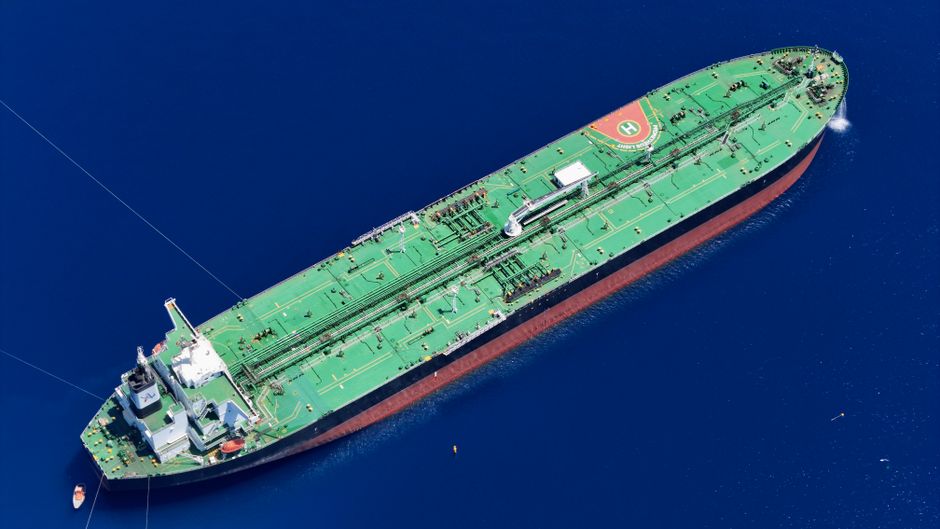
Geopolitical tensions in the Middle East have once again flared, with reports emerging of a Saudi-flagged crude oil tanker sustaining damage near Oman, in close proximity to the strategically vital Strait of Hormuz. This incident follows a recent attack on an LNG tanker in the same sensitive maritime corridor, intensifying concerns over the safety of shipping routes critical for global energy supplies. While details remain under investigation, the pattern of these sporadic events suggests a deliberate escalation, with many analysts pointing towards potential Iranian involvement.
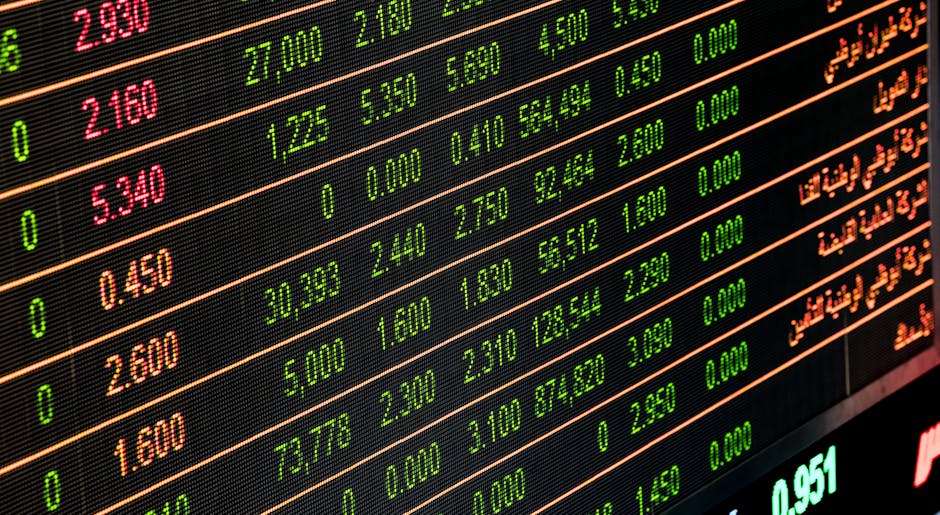
The Strait of Hormuz is a crucial choke point, through which a significant portion of the world's seaborne oil passes daily. Any disruption or perceived threat to this pathway immediately sends ripples through global energy markets. For forex traders, this translates directly into heightened market uncertainty and a strong dose of risk aversion. Increased geopolitical risk typically leads to a surge in crude oil prices due to fears of supply disruptions, while simultaneously prompting investors to seek safety in traditional haven assets.
From a forex perspective, several currency pairs are particularly susceptible to these developments. Safe-haven currencies such as the Japanese Yen (JPY) and the US Dollar (USD) often strengthen as global risk sentiment deteriorates. Traders might observe flows into USD/JPY and EUR/JPY indicating a flight from risk. Conversely, currencies closely linked to global trade and risk appetite, like the Australian Dollar (AUD) and New Zealand Dollar (NZD), could face downward pressure. Oil-exporting nations' currencies, such as the Canadian Dollar (CAD) and Norwegian Krone (NOK), present a more nuanced picture. While a spike in crude oil prices could initially support them, sustained global risk aversion could outweigh these gains, leading to potential weakness against the safe-havens like the JPY.
The immediate outlook suggests continued vigilance for traders. Crude oil benchmarks like Brent and WTI are likely to maintain an elevated geopolitical risk premium, with prices prone to sharp movements based on new developments or official statements. For forex pairs, the environment will likely remain volatile. Expect continued demand for safe-haven assets, which could see USD/JPY retest key resistance levels or EUR/USD face renewed selling pressure if broader market sentiment sours further. Conversely, a de-escalation of tensions, though currently unlikely, could trigger a swift reversal, unwinding safe-haven gains and boosting risk-sensitive currencies. Traders must remain agile, employing robust risk management strategies, and closely monitor news flow from the region as this evolving situation will continue to shape market dynamics.