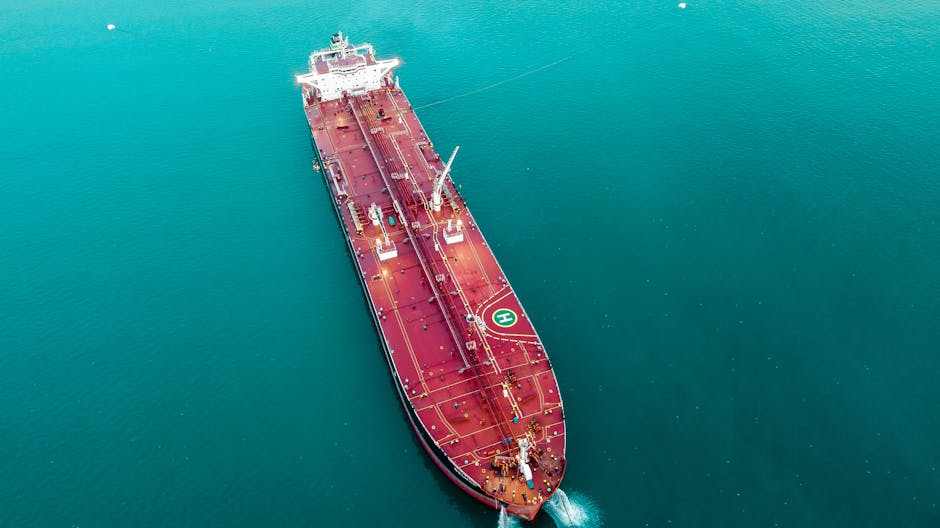
Strait of Hormuz Tensions: Geopolitical Risk Shakes Forex Markets
The geopolitical landscape of the Middle East is once again commanding attention, with significant implications for global markets and forex traders. Iran's Revolutionary Guards Navy (IRGCN) has issued a stern warning to the United States regarding its activities in the Strait of Hormuz, declaring that any perceived “adventurism and interference” in the vital waterway will be met with a “crushing response.” This assertive stance underscores Iran's claim to sole authority over navigation through the Strait, a critical chokepoint for international oil shipments.
This latest escalation matters profoundly for forex traders due to its direct impact on geopolitical risk premium and global energy markets. The Strait of Hormuz is arguably the world's most strategically important oil transit choke point, through which approximately one-fifth of global oil consumption, or about 21 million barrels per day, passes. Any threat or disruption to this flow immediately injects uncertainty into crude oil prices, which then cascades into currency valuations through various channels, including inflation expectations, trade balances, and overall market sentiment. Heightened risk aversion typically leads investors to seek safety, influencing capital flows significantly.
Several currency pairs are particularly susceptible to these developments. Safe-haven currencies, such as the Japanese Yen (JPY) and the Swiss Franc (CHF), often strengthen during periods of geopolitical uncertainty as investors flock to perceived safe havens. Similarly, the US Dollar (USD) can also act as a safe-haven asset, especially against more risk-sensitive or emerging market currencies. Conversely, currencies of major oil exporters, such as the Canadian Dollar (CAD) and Norwegian Krone (NOK), might experience a complex reaction. While a surge in crude oil prices could theoretically boost these commodity-linked currencies, initial risk aversion and broader market sell-offs often outweigh this, leading to potential weakness if global growth concerns intensify.
From a trading perspective, monitoring crude oil futures (WTI and Brent) is crucial, as their price action often serves as a leading indicator for market sentiment tied to Middle East tensions. A sustained breach of key resistance levels in oil, such as Brent Crude above $90 or WTI above $87, could signal deepening supply fears. For currency pairs, traders should watch for safe-haven flows. USD/JPY could face renewed downside pressure if JPY strength dominates, potentially retesting support levels around 145.00 or even 144.50. Meanwhile, USD/CHF might also see a move lower towards 0.8900. On the other hand, the USD/CAD pair could find support if broader risk aversion outweighs oil price gains, with resistance around 1.3650 and 1.3700 becoming relevant.
The outlook remains highly dependent on de-escalation efforts or further rhetoric. Traders should remain vigilant, paying close attention to official statements from all parties involved and naval activities in the region. Elevated volatility is expected across energy markets and risk-sensitive currency pairs. Employing robust risk management strategies, including careful position sizing and stop-loss orders, is paramount in such an unpredictable environment.
%22%2F%3E%0A%20%20%3C!--%20Grid%20lines%20--%3E%0A%20%20%3Cg%20stroke%3D%22%23ffffff%22%20stroke-opacity%3D%220.03%22%20stroke-width%3D%221%22%3E%0A%20%20%20%20%3Cline%20x1%3D%220%22%20y1%3D%2290%22%20x2%3D%22800%22%20y2%3D%2290%22%2F%3E%0A%20%20%20%20%3Cline%20x1%3D%220%22%20y1%3D%22180%22%20x2%3D%22800%22%20y2%3D%22180%22%2F%3E%0A%20%20%20%20%3Cline%20x1%3D%220%22%20y1%3D%22270%22%20x2%3D%22800%22%20y2%3D%22270%22%2F%3E%0A%20%20%20%20%3Cline%20x1%3D%220%22%20y1%3D%22360%22%20x2%3D%22800%22%20y2%3D%22360%22%2F%3E%0A%20%20%20%20%3Cline%20x1%3D%22160%22%20y1%3D%220%22%20x2%3D%22160%22%20y2%3D%22450%22%2F%3E%0A%20%20%20%20%3Cline%20x1%3D%22320%22%20y1%3D%220%22%20x2%3D%22320%22%20y2%3D%22450%22%2F%3E%0A%20%20%20%20%3Cline%20x1%3D%22480%22%20y1%3D%220%22%20x2%3D%22480%22%20y2%3D%22450%22%2F%3E%0A%20%20%20%20%3Cline%20x1%3D%22640%22%20y1%3D%220%22%20x2%3D%22640%22%20y2%3D%22450%22%2F%3E%0A%20%20%3C%2Fg%3E%0A%20%20%3C!--%20Chart%20line%20--%3E%0A%20%20%3Cpolyline%20fill%3D%22none%22%20stroke%3D%22url(%23line)%22%20stroke-width%3D%223%22%20stroke-linecap%3D%22round%22%20stroke-linejoin%3D%22round%22%0A%20%20%20%20points%3D%2280%2C320%20160%2C280%20240%2C300%20320%2C240%20400%2C260%20480%2C180%20560%2C200%20640%2C140%20720%2C160%22%2F%3E%0A%20%20%3C!--%20Area%20under%20chart%20--%3E%0A%20%20%3Cpolygon%20fill%3D%22url(%23line)%22%20opacity%3D%220.06%22%0A%20%20%20%20points%3D%2280%2C320%20160%2C280%20240%2C300%20320%2C240%20400%2C260%20480%2C180%20560%2C200%20640%2C140%20720%2C160%20720%2C400%2080%2C400%22%2F%3E%0A%20%20%3C!--%20Candlestick%20icons%20--%3E%0A%20%20%3Cg%20stroke%3D%22%232CB88E%22%20stroke-width%3D%222%22%20opacity%3D%220.4%22%3E%0A%20%20%20%20%3Cline%20x1%3D%22200%22%20y1%3D%22210%22%20x2%3D%22200%22%20y2%3D%22260%22%2F%3E%0A%20%20%20%20%3Crect%20x%3D%22194%22%20y%3D%22220%22%20width%3D%2212%22%20height%3D%2225%22%20fill%3D%22%232CB88E%22%20fill-opacity%3D%220.3%22%20rx%3D%221%22%2F%3E%0A%20%20%3C%2Fg%3E%0A%20%20%3Cg%20stroke%3D%22%23F4622A%22%20stroke-width%3D%222%22%20opacity%3D%220.4%22%3E%0A%20%20%20%20%3Cline%20x1%3D%22260%22%20y1%3D%22230%22%20x2%3D%22260%22%20y2%3D%22290%22%2F%3E%0A%20%20%20%20%3Crect%20x%3D%22254%22%20y%3D%22240%22%20width%3D%2212%22%20height%3D%2230%22%20fill%3D%22%23F4622A%22%20fill-opacity%3D%220.3%22%20rx%3D%221%22%2F%3E%0A%20%20%3C%2Fg%3E%0A%20%20%3Cg%20stroke%3D%22%232CB88E%22%20stroke-width%3D%222%22%20opacity%3D%220.4%22%3E%0A%20%20%20%20%3Cline%20x1%3D%22540%22%20y1%3D%22160%22%20x2%3D%22540%22%20y2%3D%22220%22%2F%3E%0A%20%20%20%20%3Crect%20x%3D%22534%22%20y%3D%22170%22%20width%3D%2212%22%20height%3D%2230%22%20fill%3D%22%232CB88E%22%20fill-opacity%3D%220.3%22%20rx%3D%221%22%2F%3E%0A%20%20%3C%2Fg%3E%0A%20%20%3C!--%20Center%20text%20--%3E%0A%20%20%3Ctext%20x%3D%22400%22%20y%3D%22215%22%20text-anchor%3D%22middle%22%20font-family%3D%22system-ui%2C%20-apple-system%2C%20sans-serif%22%20font-size%3D%2216%22%20font-weight%3D%22700%22%20fill%3D%22%23ffffff%22%20opacity%3D%220.15%22%20letter-spacing%3D%224%22%3EFOREX%20MARKET%3C%2Ftext%3E%0A%3C%2Fsvg%3E%0A)