Strait of Hormuz Tensions Reignite: Forex Impact & Trader Outlook
The strategic Strait of Hormuz is once again at the forefront of global geopolitical concerns, sending ripples across the forex market. Recent developments involving the United States and Iran have reignited fears of regional instability, prompting traders to reassess risk and seek safe-haven assets.
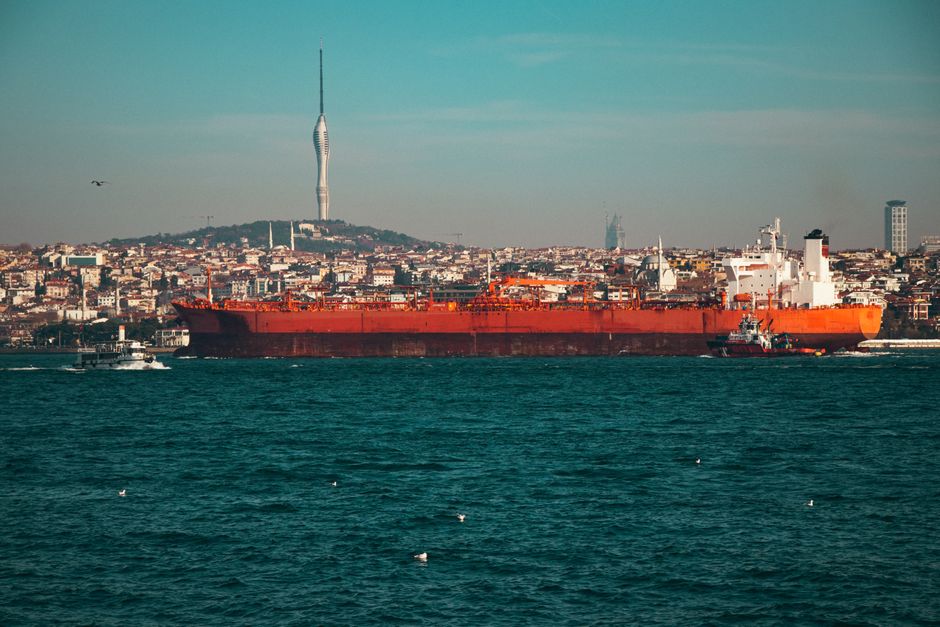
What's Happening in the Strait of Hormuz? Tensions escalated following remarks from US President Trump, who initially declared a "deal is over" concerning Iran, only to later suggest a willingness from the other side to negotiate. This shifting rhetoric has coincided with reports indicating a significant disruption to shipping traffic through the Strait of Hormuz, a critical choke point for global oil supplies. Iran's actions, whether directly impeding traffic or through heightened military posturing, appear to be a strategic maneuver aimed at leveraging its control over this vital waterway amidst ongoing international pressure and sanctions. The de facto halt in maritime activity effectively raises the stakes, signaling Iran's capacity to disrupt a substantial portion of the world's crude oil flow.
Why This Matters for Forex Traders The immediate and most significant impact of elevated tensions in the Strait of Hormuz is on global oil prices. Any perceived threat to supply from this region, which accounts for approximately one-fifth of the world's total petroleum liquids consumption, triggers an upward surge in crude benchmarks like Brent and WTI. For forex traders, higher oil prices can have a multi-faceted effect. While some oil-exporting nations might see a boost in their terms of trade, the broader implication of sustained high energy costs is inflationary pressure, potentially impacting global economic growth and influencing central bank policy decisions. This environment typically fosters a "risk-off" sentiment, where investors shy away from growth-sensitive assets in favor of perceived safety.
Key Currency Pairs Affected * Oil-Correlated Currencies (CAD, NOK): While higher oil prices generally benefit currencies like the Canadian Dollar (CAD) and Norwegian Krone (NOK), extreme geopolitical risk often leads to a broader flight to safety that can outweigh these benefits. Traders should anticipate heightened volatility, with these currencies potentially weakening if global risk aversion dominates, or strengthening if oil price gains become the primary driver in a less extreme scenario. * Safe-Haven Currencies (JPY, CHF, USD): The Japanese Yen (JPY) and Swiss Franc (CHF) are traditional beneficiaries during periods of global uncertainty, as investors seek their perceived safety and liquidity. The US Dollar (USD) also frequently acts as a safe haven, especially during widespread global crises, attracting capital flows due to the depth and liquidity of US financial markets. * Risk-Sensitive Currencies (EUR, GBP, AUD): Currencies like the Euro (EUR), British Pound (GBP), and Australian Dollar (AUD) tend to struggle in a risk-off environment. Concerns over global economic slowdowns, trade disruptions, and increased energy costs weigh heavily on these pairs, leading to potential depreciation against safe havens.
Outlook and Key Levels for Traders The forex market will likely remain highly sensitive to any further developments regarding the Strait of Hormuz and broader US-Iran relations. There are no specific technical levels to reference from this geopolitical event, but the overall sentiment is one of increased caution. Traders should anticipate continued volatility across currency pairs, with a strong bias towards safe-haven demand and oil price fluctuations driving short-term movements. Monitoring geopolitical headlines, especially those related to shipping, oil supply, and diplomatic efforts, will be paramount. Robust risk management strategies, including appropriate position sizing and stop-loss orders, are crucial in navigating this unpredictable landscape.
%22%2F%3E%0A%20%20%3C!--%20Grid%20lines%20--%3E%0A%20%20%3Cg%20stroke%3D%22%23ffffff%22%20stroke-opacity%3D%220.03%22%20stroke-width%3D%221%22%3E%0A%20%20%20%20%3Cline%20x1%3D%220%22%20y1%3D%2290%22%20x2%3D%22800%22%20y2%3D%2290%22%2F%3E%0A%20%20%20%20%3Cline%20x1%3D%220%22%20y1%3D%22180%22%20x2%3D%22800%22%20y2%3D%22180%22%2F%3E%0A%20%20%20%20%3Cline%20x1%3D%220%22%20y1%3D%22270%22%20x2%3D%22800%22%20y2%3D%22270%22%2F%3E%0A%20%20%20%20%3Cline%20x1%3D%220%22%20y1%3D%22360%22%20x2%3D%22800%22%20y2%3D%22360%22%2F%3E%0A%20%20%20%20%3Cline%20x1%3D%22160%22%20y1%3D%220%22%20x2%3D%22160%22%20y2%3D%22450%22%2F%3E%0A%20%20%20%20%3Cline%20x1%3D%22320%22%20y1%3D%220%22%20x2%3D%22320%22%20y2%3D%22450%22%2F%3E%0A%20%20%20%20%3Cline%20x1%3D%22480%22%20y1%3D%220%22%20x2%3D%22480%22%20y2%3D%22450%22%2F%3E%0A%20%20%20%20%3Cline%20x1%3D%22640%22%20y1%3D%220%22%20x2%3D%22640%22%20y2%3D%22450%22%2F%3E%0A%20%20%3C%2Fg%3E%0A%20%20%3C!--%20Chart%20line%20--%3E%0A%20%20%3Cpolyline%20fill%3D%22none%22%20stroke%3D%22url(%23line)%22%20stroke-width%3D%223%22%20stroke-linecap%3D%22round%22%20stroke-linejoin%3D%22round%22%0A%20%20%20%20points%3D%2280%2C320%20160%2C280%20240%2C300%20320%2C240%20400%2C260%20480%2C180%20560%2C200%20640%2C140%20720%2C160%22%2F%3E%0A%20%20%3C!--%20Area%20under%20chart%20--%3E%0A%20%20%3Cpolygon%20fill%3D%22url(%23line)%22%20opacity%3D%220.06%22%0A%20%20%20%20points%3D%2280%2C320%20160%2C280%20240%2C300%20320%2C240%20400%2C260%20480%2C180%20560%2C200%20640%2C140%20720%2C160%20720%2C400%2080%2C400%22%2F%3E%0A%20%20%3C!--%20Candlestick%20icons%20--%3E%0A%20%20%3Cg%20stroke%3D%22%232CB88E%22%20stroke-width%3D%222%22%20opacity%3D%220.4%22%3E%0A%20%20%20%20%3Cline%20x1%3D%22200%22%20y1%3D%22210%22%20x2%3D%22200%22%20y2%3D%22260%22%2F%3E%0A%20%20%20%20%3Crect%20x%3D%22194%22%20y%3D%22220%22%20width%3D%2212%22%20height%3D%2225%22%20fill%3D%22%232CB88E%22%20fill-opacity%3D%220.3%22%20rx%3D%221%22%2F%3E%0A%20%20%3C%2Fg%3E%0A%20%20%3Cg%20stroke%3D%22%23F4622A%22%20stroke-width%3D%222%22%20opacity%3D%220.4%22%3E%0A%20%20%20%20%3Cline%20x1%3D%22260%22%20y1%3D%22230%22%20x2%3D%22260%22%20y2%3D%22290%22%2F%3E%0A%20%20%20%20%3Crect%20x%3D%22254%22%20y%3D%22240%22%20width%3D%2212%22%20height%3D%2230%22%20fill%3D%22%23F4622A%22%20fill-opacity%3D%220.3%22%20rx%3D%221%22%2F%3E%0A%20%20%3C%2Fg%3E%0A%20%20%3Cg%20stroke%3D%22%232CB88E%22%20stroke-width%3D%222%22%20opacity%3D%220.4%22%3E%0A%20%20%20%20%3Cline%20x1%3D%22540%22%20y1%3D%22160%22%20x2%3D%22540%22%20y2%3D%22220%22%2F%3E%0A%20%20%20%20%3Crect%20x%3D%22534%22%20y%3D%22170%22%20width%3D%2212%22%20height%3D%2230%22%20fill%3D%22%232CB88E%22%20fill-opacity%3D%220.3%22%20rx%3D%221%22%2F%3E%0A%20%20%3C%2Fg%3E%0A%20%20%3C!--%20Center%20text%20--%3E%0A%20%20%3Ctext%20x%3D%22400%22%20y%3D%22215%22%20text-anchor%3D%22middle%22%20font-family%3D%22system-ui%2C%20-apple-system%2C%20sans-serif%22%20font-size%3D%2216%22%20font-weight%3D%22700%22%20fill%3D%22%23ffffff%22%20opacity%3D%220.15%22%20letter-spacing%3D%224%22%3EFOREX%20MARKET%3C%2Ftext%3E%0A%3C%2Fsvg%3E%0A)