UK Inflation Hopes Emerge, But Business Confidence Falters: GBP Outlook
Recent economic releases from the United Kingdom paint a nuanced picture for forex traders, offering a glimmer of hope on the inflation front while simultaneously highlighting underlying economic fragility. The British Retail Consortium (BRC) reported that shop price inflation held steady in June, suggesting a potential easing in consumer price pressures. However, this modest comfort for the Bank of England (BoE) was quickly counterbalanced by a significant dip in business confidence, primarily driven by persistent cost concerns.
The BRC's latest print, indicating stable shop prices, will undoubtedly be scrutinised by BoE policymakers keen to see evidence that their aggressive monetary tightening is taking effect. While a welcome sign, it's crucial for traders to remember that the BRC data covers a narrower basket of goods compared to the official Consumer Price Index (CPI). Therefore, while it provides some insight, this data alone is unlikely to be the sole factor that materially shifts the BoE's rate hike trajectory. The central bank remains committed to bringing down inflation to its 2% target, and broader inflation metrics will carry more weight.
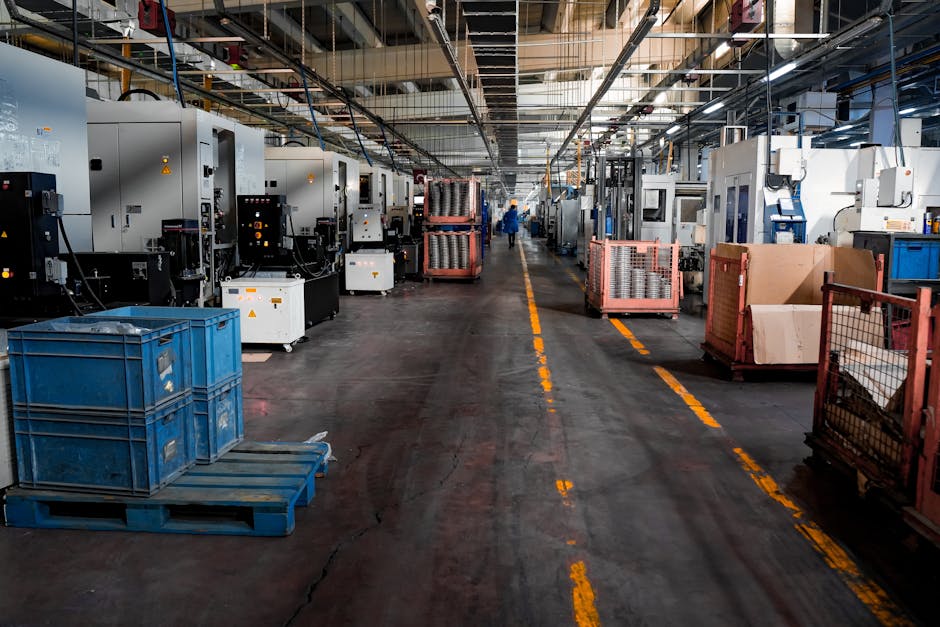
Adding complexity to the economic landscape, the latest Lloyds Business Barometer revealed a concerning decline in overall business confidence. This drop was particularly acute in the manufacturing sector, where confidence plummeted to its lowest relative to its 12-month average, signalling ongoing vulnerability in the goods-producing segment of the economy. Interestingly, the survey also showed a divergence: businesses reported reasonable optimism regarding their own trading prospects, even as their outlook for the wider economy deteriorated. This 'nuance' complicates the BoE's assessment of aggregate demand conditions – are businesses resilient enough to weather the storm, or is a broader slowdown inevitable?
For Sterling (GBP) traders, these mixed signals create a challenging environment. The potential for easing inflation, as suggested by the BRC, could temper expectations for aggressive future BoE rate hikes, which might remove some of GBP's support. Conversely, if the BoE perceives that underlying demand remains robust despite the dip in business sentiment, a hawkish stance could be maintained. However, the substantial drop in manufacturing confidence is a stark warning that could weigh on growth expectations, potentially capping any significant Sterling upside.
Looking ahead, market participants will be closely monitoring upcoming official inflation reports and the BoE's rhetoric for clearer signals. Should official CPI data confirm a sustained cooling of price pressures, GBP pairs like GBP/USD, EUR/GBP, and GBP/JPY could see increased volatility. Traders should watch key support around 1.2650-1.2700 for GBP/USD and resistance near 1.2850-1.2900. A continued decline in business confidence, especially if coupled with weakening labour market data, could prompt a reassessment of the UK's growth outlook and potentially pressure Sterling lower against major counterparts. Risk management will be paramount as the market navigates these conflicting economic narratives.