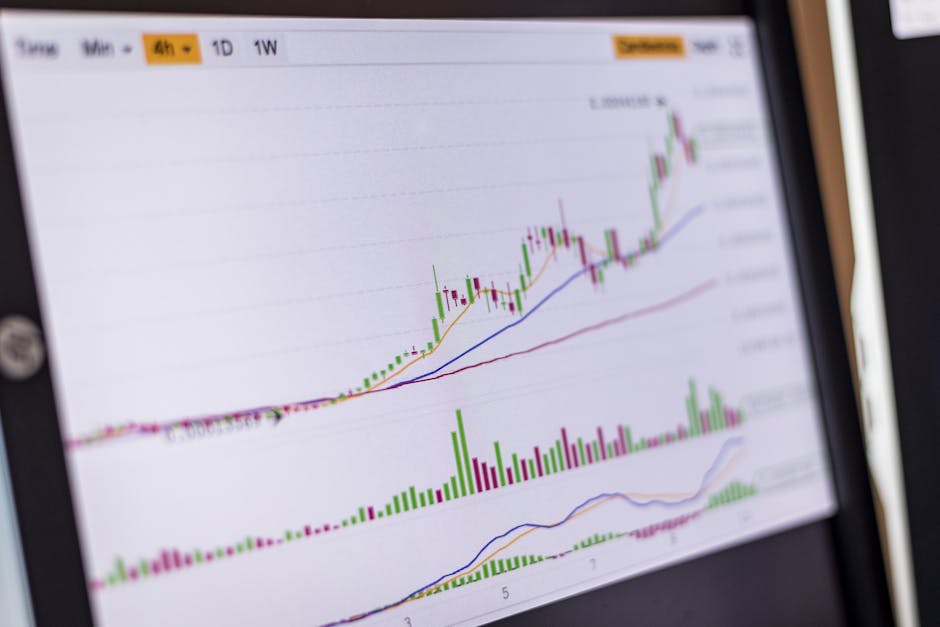
US CPI Takes Centre Stage: Geopolitics Stoke Inflation Fears
The global financial markets are once again fixated on a pivotal economic release: the United States Consumer Price Index (CPI) report for June. While economic data always commands attention, this particular release arrives amidst a backdrop of escalating geopolitical tensions in the Middle East, fundamentally altering its significance for currency traders and policymakers alike.
Recent developments concerning the US-Iran conflict have sent ripples across commodity markets, particularly crude oil. Brent crude has seen a resurgence, climbing back towards the $85 per barrel mark, while West Texas Intermediate (WTI) crude oil futures are testing the psychological $80 barrier. This sharp uptick in energy prices is not merely a headline-grabber; it directly fuels inflation expectations, prompting a re-evaluation of the Federal Reserve's monetary policy trajectory.
Just weeks after a perceived easing of tensions and a shift in market sentiment towards potential interest rate cuts, the surge in oil prices has thrown a wrench into the works. Higher energy costs translate into increased production expenses and consumer prices, potentially reigniting inflationary pressures that the Fed has diligently worked to bring under control. The upcoming June CPI data, therefore, takes on heightened importance, even if it might not yet fully capture the immediate impact of the latest oil price movements.
Economists broadly anticipate a slight moderation in the headline annual inflation rate for June, with forecasts generally pointing towards 3.8%. However, the market's reaction will hinge not just on the headline figure, but also on the core CPI data (excluding volatile food and energy prices) and any surprising deviations from expectations. A higher-than-expected inflation print, especially coupled with rising oil prices, could reinforce the notion that the Fed may need to maintain higher interest rates for longer, or even consider further tightening if conditions warrant.
Why This Matters for Forex Traders:
The implications for the forex market are substantial. The US Dollar (USD) typically strengthens on expectations of higher interest rates or a more hawkish Fed stance. If the CPI report indicates persistent inflation, the USD could find strong support against a basket of major currencies. Conversely, a significantly softer inflation reading might temper hawkish expectations, potentially leading to USD weakness.
Key Currency Pairs and Outlook:
* EUR/USD: This pair is highly sensitive to interest rate differentials and Fed policy. A strong CPI could push EUR/USD lower, potentially targeting support levels towards 1.0700. A weaker CPI might see it test resistance around 1.0850. * USD/JPY: Given the Bank of Japan's dovish stance, higher US rates make the USD/JPY more attractive. A strong CPI report would likely fuel further gains for USD/JPY, potentially pushing it towards 158.00 and beyond. Conversely, a soft CPI could see it retrace towards 156.00. * GBP/USD & AUD/USD: These pairs would also likely see pressure against a stronger USD if inflation proves stubborn, with key support levels becoming crucial battlegrounds.
Traders should brace for increased volatility around the CPI release. The interplay between headline inflation, core inflation, and the ongoing geopolitical narrative will dictate the immediate direction of the US Dollar and broader market sentiment. Vigilance and careful risk management will be paramount in the hours and days following this critical data release.
%22%2F%3E%0A%20%20%3C!--%20Grid%20lines%20--%3E%0A%20%20%3Cg%20stroke%3D%22%23ffffff%22%20stroke-opacity%3D%220.03%22%20stroke-width%3D%221%22%3E%0A%20%20%20%20%3Cline%20x1%3D%220%22%20y1%3D%2290%22%20x2%3D%22800%22%20y2%3D%2290%22%2F%3E%0A%20%20%20%20%3Cline%20x1%3D%220%22%20y1%3D%22180%22%20x2%3D%22800%22%20y2%3D%22180%22%2F%3E%0A%20%20%20%20%3Cline%20x1%3D%220%22%20y1%3D%22270%22%20x2%3D%22800%22%20y2%3D%22270%22%2F%3E%0A%20%20%20%20%3Cline%20x1%3D%220%22%20y1%3D%22360%22%20x2%3D%22800%22%20y2%3D%22360%22%2F%3E%0A%20%20%20%20%3Cline%20x1%3D%22160%22%20y1%3D%220%22%20x2%3D%22160%22%20y2%3D%22450%22%2F%3E%0A%20%20%20%20%3Cline%20x1%3D%22320%22%20y1%3D%220%22%20x2%3D%22320%22%20y2%3D%22450%22%2F%3E%0A%20%20%20%20%3Cline%20x1%3D%22480%22%20y1%3D%220%22%20x2%3D%22480%22%20y2%3D%22450%22%2F%3E%0A%20%20%20%20%3Cline%20x1%3D%22640%22%20y1%3D%220%22%20x2%3D%22640%22%20y2%3D%22450%22%2F%3E%0A%20%20%3C%2Fg%3E%0A%20%20%3C!--%20Chart%20line%20--%3E%0A%20%20%3Cpolyline%20fill%3D%22none%22%20stroke%3D%22url(%23line)%22%20stroke-width%3D%223%22%20stroke-linecap%3D%22round%22%20stroke-linejoin%3D%22round%22%0A%20%20%20%20points%3D%2280%2C320%20160%2C280%20240%2C300%20320%2C240%20400%2C260%20480%2C180%20560%2C200%20640%2C140%20720%2C160%22%2F%3E%0A%20%20%3C!--%20Area%20under%20chart%20--%3E%0A%20%20%3Cpolygon%20fill%3D%22url(%23line)%22%20opacity%3D%220.06%22%0A%20%20%20%20points%3D%2280%2C320%20160%2C280%20240%2C300%20320%2C240%20400%2C260%20480%2C180%20560%2C200%20640%2C140%20720%2C160%20720%2C400%2080%2C400%22%2F%3E%0A%20%20%3C!--%20Candlestick%20icons%20--%3E%0A%20%20%3Cg%20stroke%3D%22%232CB88E%22%20stroke-width%3D%222%22%20opacity%3D%220.4%22%3E%0A%20%20%20%20%3Cline%20x1%3D%22200%22%20y1%3D%22210%22%20x2%3D%22200%22%20y2%3D%22260%22%2F%3E%0A%20%20%20%20%3Crect%20x%3D%22194%22%20y%3D%22220%22%20width%3D%2212%22%20height%3D%2225%22%20fill%3D%22%232CB88E%22%20fill-opacity%3D%220.3%22%20rx%3D%221%22%2F%3E%0A%20%20%3C%2Fg%3E%0A%20%20%3Cg%20stroke%3D%22%23F4622A%22%20stroke-width%3D%222%22%20opacity%3D%220.4%22%3E%0A%20%20%20%20%3Cline%20x1%3D%22260%22%20y1%3D%22230%22%20x2%3D%22260%22%20y2%3D%22290%22%2F%3E%0A%20%20%20%20%3Crect%20x%3D%22254%22%20y%3D%22240%22%20width%3D%2212%22%20height%3D%2230%22%20fill%3D%22%23F4622A%22%20fill-opacity%3D%220.3%22%20rx%3D%221%22%2F%3E%0A%20%20%3C%2Fg%3E%0A%20%20%3Cg%20stroke%3D%22%232CB88E%22%20stroke-width%3D%222%22%20opacity%3D%220.4%22%3E%0A%20%20%20%20%3Cline%20x1%3D%22540%22%20y1%3D%22160%22%20x2%3D%22540%22%20y2%3D%22220%22%2F%3E%0A%20%20%20%20%3Crect%20x%3D%22534%22%20y%3D%22170%22%20width%3D%2212%22%20height%3D%2230%22%20fill%3D%22%232CB88E%22%20fill-opacity%3D%220.3%22%20rx%3D%221%22%2F%3E%0A%20%20%3C%2Fg%3E%0A%20%20%3C!--%20Center%20text%20--%3E%0A%20%20%3Ctext%20x%3D%22400%22%20y%3D%22215%22%20text-anchor%3D%22middle%22%20font-family%3D%22system-ui%2C%20-apple-system%2C%20sans-serif%22%20font-size%3D%2216%22%20font-weight%3D%22700%22%20fill%3D%22%23ffffff%22%20opacity%3D%220.15%22%20letter-spacing%3D%224%22%3EFOREX%20MARKET%3C%2Ftext%3E%0A%3C%2Fsvg%3E%0A)