Market WatchLive
Market Insights
Daily Forex News & Analysis
Daily market updates, news, and expert analysis from our research team.
Filtering by currency: CADClear Filter
Articles (Page 7)

Jul 29, 2026
Iran Rejects Hormuz Management Plan: Oil & Forex Market Impact
Iran's firm rejection of Oman's proposal for joint management of the Strait of Hormuz reignites geopolitical concerns, impacting global oil prices and currency markets. Forex traders should prepare for potential safe-haven demand for USD, JPY, and CHF, while monitoring oil-sensitive pairs like CAD and NOK amid heightened risk premiums.
USD/JPYEUR/USDUSD/CHF
View Report

Jul 28, 2026
Fed Watch Intensifies: US Data & Geopolitics Shape Forex Outlook
Forex markets brace for Federal Reserve decisions and major tech earnings amidst mixed US economic data and escalating Middle East tensions. Traders must monitor key announcements and geopolitical shifts for potential high volatility in major currency pairs and shifts in USD direction.
EUR/USDUSD/JPYGBP/USD
View Report

Jul 28, 2026
Middle East Tensions Escalate: Forex Markets Brace for Impact
Renewed warnings from Israeli PM Netanyahu regarding unavoidable strikes on Iranian nuclear facilities are reigniting Middle East geopolitical risk, prompting forex traders to brace for heightened volatility. Safe-haven currencies like JPY and CHF are expected to gain, while riskier and commodity-linked pairs face potential downward pressure amid global uncertainty.
USD/JPYEUR/JPYUSD/CHF
View Report

Jul 28, 2026
Middle East Tensions Drive Forex: Iran Focus Shifts Global Sentiment
Heightened geopolitical focus on Iran following US-Israel talks is influencing forex market sentiment. Traders are watching for safe-haven flows into USD, JPY, and CHF amidst increased uncertainty, impacting major currency pairs.
USD/JPYEUR/USDUSD/CHF
View Report

Jul 28, 2026
Middle East Diplomacy Boosts Risk Sentiment: Forex Implications
Potential progress in US-Iran diplomacy is boosting global risk sentiment, signaling a possible easing of Middle East tensions and energy supply concerns. Forex traders should monitor safe-haven currencies for depreciation and risk-on assets for upward momentum, while crude oil prices may face downward pressure.
USD/JPYEUR/CHFAUD/USD
View Report

Jul 28, 2026
Richmond Fed Report Sends Mixed Signals, USD Traders Take Note
The Richmond Fed Manufacturing Index for July missed expectations, signaling slower-than-anticipated regional factory growth and prompting a cautious stance among USD traders. Despite robust manufacturing shipments, the overall disappointment and a contracting services index could temper U.S. Dollar strength as markets assess potential shifts in Federal Reserve policy.
EUR/USDUSD/JPYGBP/USD
View Report

Jul 28, 2026
US Housing Resilience Surprises: Dollar Impact for Forex Traders
US S&P Case-Shiller home prices beat estimates, showing nominal resilience but continued real-term decline due to inflation and high mortgage rates. This data offers mixed signals for the Federal Reserve's policy outlook, potentially reinforcing 'higher for longer' rates and providing underlying support for the US Dollar.
EUR/USDGBP/USDUSD/JPY
View Report

Jul 28, 2026
Trump's Iran Stance & Trade Talk: Forex Market Implications
President Trump's latest comments on Iran's nuclear ambitions and trade policy are influencing forex markets, prompting shifts in risk sentiment. Traders should closely monitor geopolitical developments for their impact on safe-haven demand and commodity-linked currency performance.
USD/JPYAUD/USDEUR/USD
View Report

Jul 28, 2026
Hormuz Horizon: Oman's Proposal & Its Forex Market Implications
Oman's proposal for joint management of the Strait of Hormuz introduces a new dynamic to Middle East geopolitics, with significant implications for crude oil prices and global risk sentiment. Forex traders should anticipate volatility in oil-sensitive currencies like CAD and NOK, alongside safe-haven flows into JPY, CHF, and USD, as the market assesses the likelihood of de-escalation.
USD/CADUSD/NOKUSD/JPY
View Report

Jul 27, 2026
Crude's Plunge, Dollar's Drift: Navigating Divergent Forex Signals
Forex markets saw crude oil plunge amid de-escalation hopes, yet the US Dollar and equities showed a divergent, mixed response. Weak US Durable Goods data weighed on the greenback, setting the stage for increased volatility ahead of the upcoming Federal Reserve decision.
EUR/USDUSD/JPYUSD/CAD
View Report

Jul 27, 2026
Middle East Tensions Mount: How Iran Speculation Impacts Forex Markets
Speculation about potential US military action in Iran, alongside active diplomatic efforts, is driving heightened volatility in forex markets. Traders are shifting towards safe-haven currencies like the USD, JPY, and CHF, while risk-sensitive pairs and those exposed to oil price shocks face pressure.
USD/JPYEUR/USDUSD/CHF
View Report

Jul 27, 2026
Trump's Iran Ultimatum: Geopolitical Risk Reignites Forex Volatility
President Trump's ultimatum on Iran negotiations introduces significant geopolitical risk, prompting heightened volatility across forex markets. Traders should anticipate shifts in safe-haven demand and oil-correlated currencies as sentiment reacts to potential conflict or diplomatic breakthroughs.
USD/JPYEUR/USDUSD/CAD
View Report

Jul 27, 2026
US Durable Goods Orders Miss Forecasts, Pressuring the Dollar
US Durable Goods orders for June significantly missed expectations, signaling a slowdown in manufacturing and potentially tempering the Federal Reserve's hawkish stance. This weaker economic data puts immediate downward pressure on the US Dollar, impacting major currency pairs and shifting trader focus to upcoming inflation and employment reports.
EUR/USDGBP/USDUSD/JPY
View Report

Jul 27, 2026
Geopolitical Hopes Reignite Risk Appetite, USD Slides: A Cautious Outlook
Renewed hopes for a US-Iran ceasefire have sparked a 'risk-on' mood, weakening the US Dollar and boosting equities, but traders remain cautious given past disappointments. Key currency pairs like EUR/USD and AUD/USD could see further gains if optimism holds, while USD/JPY might face downward pressure.
EUR/USDGBP/USDAUD/USD
View Report
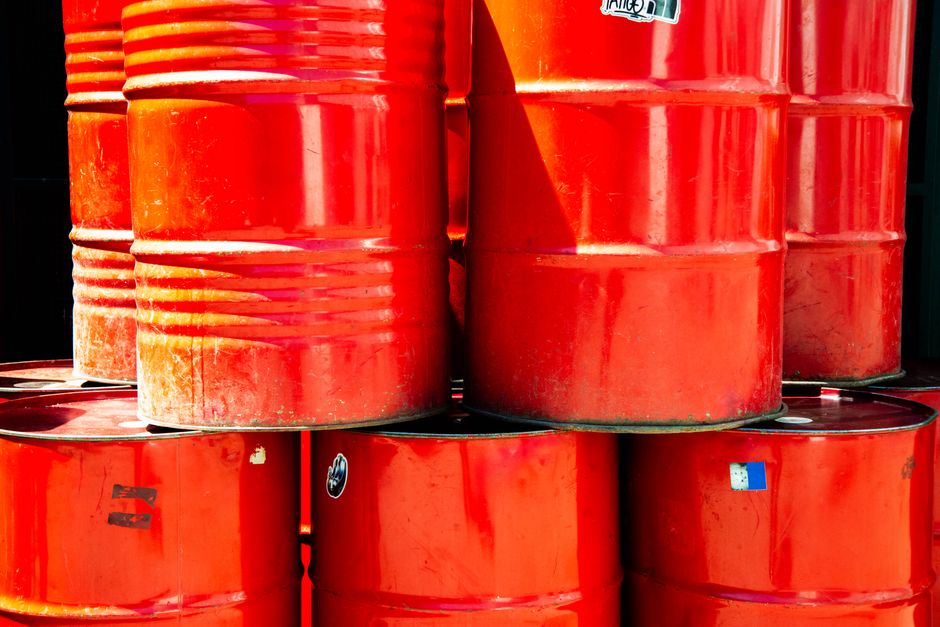
Jul 26, 2026
Middle East De-escalation: Forex Markets Eye Risk-On Shift
Middle East de-escalation is shifting forex markets towards a risk-on sentiment, impacting safe-haven currencies and oil prices. Traders should watch USD/JPY and XAU/USD for unwinding positions, while risk-correlated pairs like AUD/USD may strengthen.
USD/JPYXAU/USDEUR/USD
View Report
Understanding Forex Market News
Foreign exchange markets are highly sensitive to global macroeconomic developments. The news and technical analysis updates published here are designed to help you follow major capital flows, central bank shifts, and geopolitical milestones that drive exchange rates.
How Macro News Impacts Currency Valuations
Currencies do not move randomly; they reflect the relative economic health of their respective nations. High-impact news releases alter market expectations of future central bank policy:
- Interest Rates: Central banks raise rates to fight inflation and lower them to stimulate growth. Higher relative rates attract global investment capital, strengthening the currency.
- Economic Growth: Strong GDP growth and consumer confidence point to a healthy economy, bolstering demand for the currency.
- Geopolitical Sentiment: During times of crisis or global trade conflict, "safe haven" currencies like the USD, CHF, and JPY typically gain value relative to riskier assets.
Best Practices for Trading Around News Releases
High-impact news can trigger extreme volatility and price gaps. Protect your capital by following these core rules:
- Respect the Spreads: During major events (like CPI or rate statements), liquidity providers withdraw bids and offers. This causes spreads to widen significantly, which can trigger stop losses prematurely.
- Mind the Slippage: If the market gaps over your stop-loss price, your order will be filled at the next available price, leading to larger-than-expected losses.
- Wait for Confluence: Avoid chasing the initial spike. Often, the market will retest the breakout levels once the initial panic subsides, presenting lower-risk entries.