Market WatchLive
Market Insights
Daily Forex News & Analysis
Daily market updates, news, and expert analysis from our research team.
Filtering by currency: GBPClear Filter
Articles (Page 7)

Aug 12, 2026
Leavitt's White House Exit: Forex Market Implications
White House communications official Karoline Leavitt's departure introduces a subtle element of political transition for forex traders to monitor. This shift could marginally influence market sentiment around the US Dollar, warranting attention to key USD crosses.
EUR/USDUSD/JPYGBP/USD
View Report
Aug 12, 2026
US Fiscal Deficit Explodes: Forex Implications Unpacked
The US recorded its highest monthly deficit since 2021 in July, fueled by record spending, raising concerns over fiscal health. This expansion could weigh on the dollar, influencing key currency pairs and global market sentiment for traders.
EUR/USDUSD/JPYGBP/USD
View Report

Aug 12, 2026
Cleveland Fed CPI: Unpacking Inflation for Forex Traders
The Cleveland Fed's latest median and trimmed-mean CPI data showed a slight monthly uptick, signaling persistent underlying inflation pressures. This reinforces the case for the Federal Reserve to potentially maintain higher interest rates, which could strengthen the U.S. Dollar against major currency pairs.
EUR/USDUSD/JPYGBP/USD
View Report

Aug 12, 2026
US CPI Report: Gauging Inflation's Impact on the Dollar
The upcoming US CPI report for July is crucial for forex traders, influencing Federal Reserve policy and dollar valuation. Market focus remains on core inflation, which is expected to stay sticky, impacting major currency pairs like EUR/USD and USD/JPY. Prepare for volatility as this data shapes interest rate expectations.
EUR/USDUSD/JPYGBP/USD
View Report

Aug 12, 2026
Italian Inflation Cools Slightly in July: EUR Impact
Italy's July inflation eased marginally to 2.9%, with core prices holding steady at 1.6%. This mixed data provides nuanced insights into Eurozone price pressures, offering crucial signals for ECB policy expectations and impacting key EUR crosses.
EUR/USDEUR/GBPEUR/JPY
View Report
Aug 12, 2026
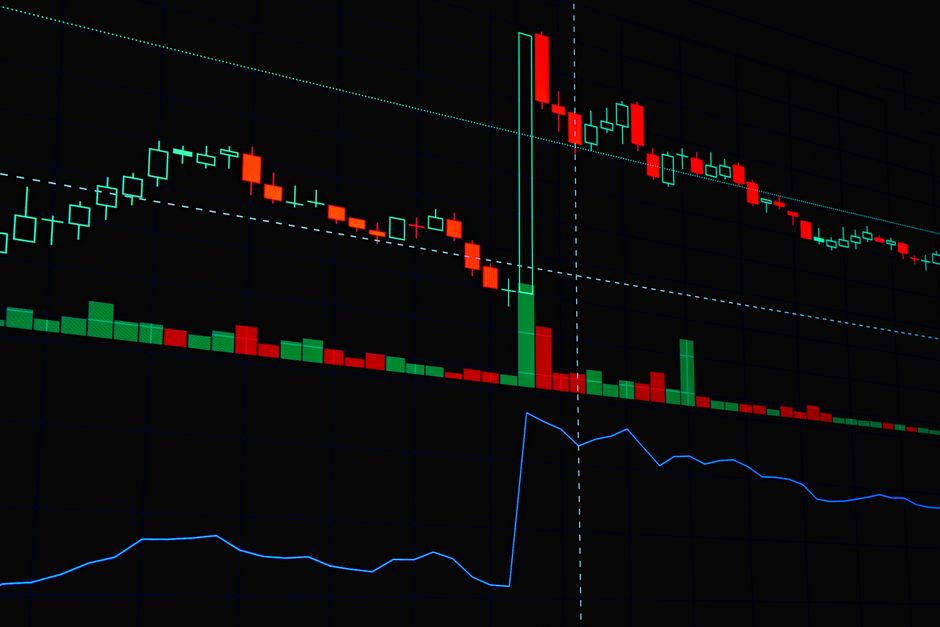
US CPI Forecasts: Why Distribution Drives Forex Swings
US CPI forecast distribution is crucial for forex traders, influencing USD volatility more than just consensus. Understand how clustered expectations drive market surprises and impact key currency pairs post-release.
EUR/USDUSD/JPYGBP/USD
View Report

Aug 12, 2026
Australia's Gig Worker Pay Hike: AUD Inflationary Impact?
Australia's new minimum wage for gig workers effective August 17th introduces inflationary pressures across the delivery sector, potentially influencing RBA policy. Forex traders should monitor AUD pairs for shifts driven by inflation expectations and the RBA's reaction to rising labor costs.
AUD/USDAUD/JPYEUR/AUD
View Report

Aug 12, 2026
Goldman Sees Soft US CPI, Easing Fed Hike Pressure
Goldman Sachs forecasts a benign July US CPI print, potentially easing Federal Reserve pressure for further rate hikes this year. This outlook, coupled with a sharply revised payrolls trend, signals a softening US economy and could weaken the dollar.
EUR/USDUSD/JPYGBP/USD
View Report

Aug 11, 2026
US Markets Brace for CPI: Dollar's Next Move Hinges on Data
US markets are cautiously awaiting the critical CPI report after equities dipped and yields softened. This pivotal data release will heavily influence Federal Reserve policy and dictate the US Dollar's near-term trajectory across major forex pairs.
EUR/USDUSD/JPYGBP/USD
View Report

Aug 11, 2026
European Equities Hit Records: What It Means for Euro Traders
European equities closed mixed, yet Germany's DAX and Spain's Ibex soared to new record highs, driven by robust corporate earnings. This bullish sentiment in key European indices can influence Euro currency pairs, signaling potential shifts in trader risk appetite.
EUR/USDEUR/GBPGBP/USD
View Report

Aug 11, 2026
Red Sea Tensions Escalate: Forex Market Implications
Escalating Red Sea tensions from Houthi attacks disrupt global shipping and oil routes, fueling market volatility. Forex traders should prepare for safe-haven flows and commodity currency shifts driven by geopolitical risk and inflation concerns.
USD/JPYEUR/USDGBP/USD
View Report

Aug 11, 2026
UK Labour Data Overhaul Delayed: What It Means for GBP
The UK's ONS has further delayed its improved labour market data transition until July next year, extending uncertainty for the British Pound. This impacts Bank of England policy clarity and could heighten volatility across GBP currency pairs.
GBP/USDEUR/GBPGBP/JPY
View Report

Aug 11, 2026
Italy's Trade Surplus Expands, Bolstering Euro Strength
Italy's trade surplus widened significantly in June, reaching €4.23 billion, driven by robust export growth, particularly within the EU. This positive economic data provides underlying support for the Euro, influencing key currency pairs like EUR/USD and EUR/GBP.
EUR/USDEUR/GBPEUR/JPY
View Report

Aug 11, 2026
Pound Holds Steady: US CPI to Drive Dollar's Next Move
The British Pound shows resilience against the US Dollar ahead of crucial US CPI data. This inflation report is poised to significantly impact Fed policy and prompt major shifts across forex pairs, especially GBP/USD.
GBP/USDEUR/USDUSD/JPY
View Report

Aug 11, 2026
Asia Pacific Forex: BoJ Hints, UK Strength, Gold Surges
Asian markets and global commodities are alive with activity, driven by BoJ rate hike speculation and strong UK economic data. Traders are closely watching key currency pairs like USD/JPY and GBP/USD, alongside surging gold prices, ahead of critical US inflation figures.
USD/JPYGBP/USDAUD/USD
View Report
Understanding Forex Market News
Foreign exchange markets are highly sensitive to global macroeconomic developments. The news and technical analysis updates published here are designed to help you follow major capital flows, central bank shifts, and geopolitical milestones that drive exchange rates.
How Macro News Impacts Currency Valuations
Currencies do not move randomly; they reflect the relative economic health of their respective nations. High-impact news releases alter market expectations of future central bank policy:
- Interest Rates: Central banks raise rates to fight inflation and lower them to stimulate growth. Higher relative rates attract global investment capital, strengthening the currency.
- Economic Growth: Strong GDP growth and consumer confidence point to a healthy economy, bolstering demand for the currency.
- Geopolitical Sentiment: During times of crisis or global trade conflict, "safe haven" currencies like the USD, CHF, and JPY typically gain value relative to riskier assets.
Best Practices for Trading Around News Releases
High-impact news can trigger extreme volatility and price gaps. Protect your capital by following these core rules:
- Respect the Spreads: During major events (like CPI or rate statements), liquidity providers withdraw bids and offers. This causes spreads to widen significantly, which can trigger stop losses prematurely.
- Mind the Slippage: If the market gaps over your stop-loss price, your order will be filled at the next available price, leading to larger-than-expected losses.
- Wait for Confluence: Avoid chasing the initial spike. Often, the market will retest the breakout levels once the initial panic subsides, presenting lower-risk entries.