China Data Delay Rocks Forex: What Traders Need to Know
Forex markets are bracing for potential volatility following an unexpected delay in China's crucial July economic data releases. Originally slated for an earlier slot, key figures including industrial output, retail sales, fixed-asset investment, and property prices were pushed back to a late afternoon release (0700 GMT).
This unusual rescheduling has sparked curiosity among analysts and traders, as the new timing often coincides with official remarks from China's economic or financial ministries. Such a delay, coupled with the potential for accompanying commentary, suggests a deliberate effort to manage market reactions or provide context, adding a layer of uncertainty to an already critical data release.
China's Data Delay: What Happened?
Initially, financial calendars marked the release of July's comprehensive economic snapshot from China for an earlier time. However, without prior notice, the publication of vital indicators – encompassing the nation's industrial productivity, consumer spending habits, long-term investment trends, and the health of its property market – was shifted to a later window. This particular timing, aligning with periods when Chinese officials typically issue statements on economic or financial matters, leads to speculation about the underlying reasons. Market participants are keen to see if the data warrants official framing or justification, heightening the drama around its eventual disclosure.
Why This Matters for Forex Traders
China's economic performance is a global bellwether. As the world's second-largest economy, its growth trajectory significantly influences international trade, commodity prices, and overall risk sentiment. Strong data from China typically fuels global growth optimism, encouraging a 'risk-on' environment where investors favour higher-yielding assets. Conversely, signs of weakness can trigger 'risk-off' flows, sending capital towards traditional safe havens.
The delay itself introduces an element of unpredictability. Traders are left to speculate on the data's content, which can amplify market moves once the figures are finally released. Any official commentary accompanying the data could either calm nerves or intensify concerns, dictating the immediate direction of major currency pairs.
Key Currency Pairs Affected
Forex traders should monitor several currency pairs closely around this event:
AUD/USD & NZD/USD
These 'commodity currencies' are highly sensitive to Chinese economic health due to their nations' significant trade ties with Beijing. Positive data tends to boost the Australian and New Zealand Dollars, while disappointing figures often lead to declines.
USD/CNH
The offshore Yuan (CNH) will naturally experience direct and immediate impact. While USD/CNH is not as freely traded as other majors, its movement serves as a barometer for market sentiment towards China's economy.
EUR/USD & USD/JPY
Broader risk sentiment shifts will affect these major pairs. A 'risk-off' scenario, potentially triggered by weak Chinese data, could see the safe-haven Japanese Yen strengthen against the US Dollar (USD/JPY falling) and the Euro face headwinds (EUR/USD falling) due to its sensitivity to global growth prospects.
Technical Outlook & Trading Perspective
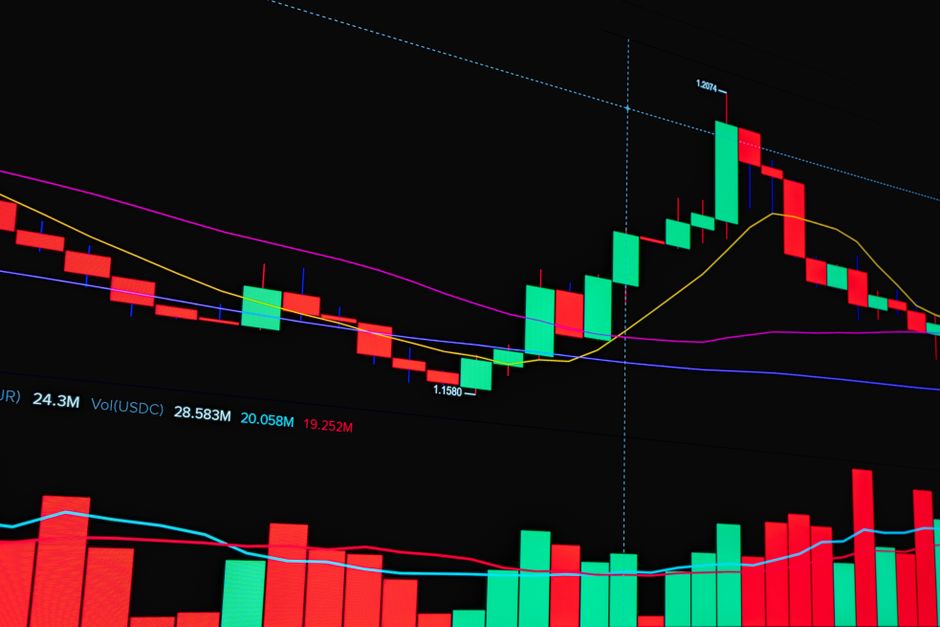
Given the unexpected delay and the potential for official commentary, traders should anticipate heightened volatility. Initial reactions could be sharp, and 'whipsaw' movements are possible as markets digest the data and any accompanying statements. From a technical perspective, identifying key support and resistance levels across affected currency pairs will be crucial.
Breaks above resistance or below support on significant volume could signal the initiation of new trends or the continuation of existing ones. However, traders are advised to exercise caution and avoid chasing initial spikes. Robust risk management, including the use of wider stop-losses or reduced position sizes, is paramount. Always look for confirmation of price action before committing to a trade, as headlines can often trigger misleading moves in highly anticipated events such as this.