Market WatchLive
Market Insights
Daily Forex News & Analysis
Daily market updates, news, and expert analysis from our research team.
Articles (Page 14)

Aug 20, 2026
Market Jitters: Iran Sanctions and Asia's Economic Shift
Geopolitical tensions escalate as Iran faces new sanctions, while Asia-Pacific economies show mixed signals with Australia's job market weakening and China's currency under pressure. Traders are navigating heightened risk sentiment, impacting safe-haven assets and commodity-linked currencies.
AUD/USDUSD/JPY
View Report

Aug 20, 2026
Russia's Bank Deposit Fears Signal Global Forex Risk
Mounting concerns over Russian bank deposit seizures to fund military efforts are escalating domestic financial instability. This signals potential global risk aversion, impacting key forex pairs and commodity markets for vigilant traders.
EUR/USDUSD/JPYGBP/USD
View Report

Aug 20, 2026
Australia's Jobless Rate Climbs: RBA Pause on Horizon?
Australia's jobless rate climbed to 4.5% in July, reaching a near four-year high and surprising forecasts. This rise signals a potential RBA pause in rate hikes, likely weakening the Australian Dollar across major pairs.
AUD/USDAUD/JPYAUD/NZD
View Report

Aug 20, 2026
Australia Jobless Shock: AUD Under Pressure After July Report
Australian June 2026 jobs report, just the numbers here on this post. Rising unemployment, falling jobs the twin headline. I'll have more to come on this separately, details an implication etc. Here:
View Report

Aug 20, 2026
Japan's Export Surge Fuels Yen Strength Prospects
Japan's exports surged, driven by strong global demand for industrial components, bolstering economic growth prospects. This performance supports potential Yen strength, though rising energy import costs present a key challenge for the Bank of Japan's policy normalization debate.
USD/JPYEUR/USD
View Report

Aug 19, 2026
Japan's Trade Surge: Yen Volatility Ahead for Traders?
Japan's July 2026 trade figures surprised with stronger-than-expected export and import growth, suggesting robust economic activity. This data could significantly influence JPY pairs and prompt shifts in forex trader strategies.
USD/JPYEUR/JPY
View Report

Aug 19, 2026
Treasury's Bold Bond Move Shakes Dollar Sentiment
The US Treasury's radical long-dated bond buyback signals a proactive stance against rising yields, shaking dollar sentiment. This unconventional move suggests potential future interventions, creating volatility across major forex pairs and challenging traditional market dynamics.
EUR/USDUSD/JPYGBP/USD
View Report

Aug 19, 2026
AUD Jobs Report Looms: RBA Policy Crossroads Await
Australia's upcoming jobs report is a critical determinant for the RBA's monetary policy path, influencing future rate hike expectations. Traders are closely watching for signs of labor market cooling or resilience, which will dictate short-term AUD movements.
AUD/USDAUD/JPYEUR/AUD
View Report

Aug 19, 2026
Asia Session: AUD Jobs & China LPR in Focus
Today's Asia session brings critical Australian jobs data and China's PBoC LPR decision. These events could spark significant forex volatility for AUD/USD and USD/CNH, impacting global risk sentiment and monetary policy outlook.
AUD/USDUSD/CNHNZD/USD
View Report

Aug 19, 2026
Treasury Shockwave: Dollar Dips Despite Hawkish Fed Talk
A surprise US Treasury announcement to increase bond buybacks sent the dollar lower, defying hawkish FOMC minutes. Traders are now navigating conflicting signals, with the Canadian dollar also seeing strength from trade optimism.
EUR/USDUSD/JPYUSD/CAD
View Report

Aug 19, 2026
US 20-Year Bond Auction Signals Soft Demand: Forex Impact
The US Treasury's 20-year bond auction revealed softer-than-expected demand, with a 5.204% yield and a notable 0.5 basis point 'tail'. This outcome signals investor caution, potentially influencing the US Dollar's near-term trajectory and impacting key forex pairs like EUR/USD and USD/JPY.
EUR/USDUSD/JPY
View Report

Aug 19, 2026
US-Canada Trade Deal: CAD Reacts Amid Iran Tensions
A preliminary US-Canada trade agreement has emerged, bolstering the Canadian Dollar, though finalisation awaits. Meanwhile, President Trump's remarks on Iran continue to fuel geopolitical risk discussions. Forex traders should closely monitor USD/CAD and broader market sentiment influenced by both trade developments and Middle East tensions.
USD/CADCAD/JPYUSD/JPY
View Report
Aug 19, 2026
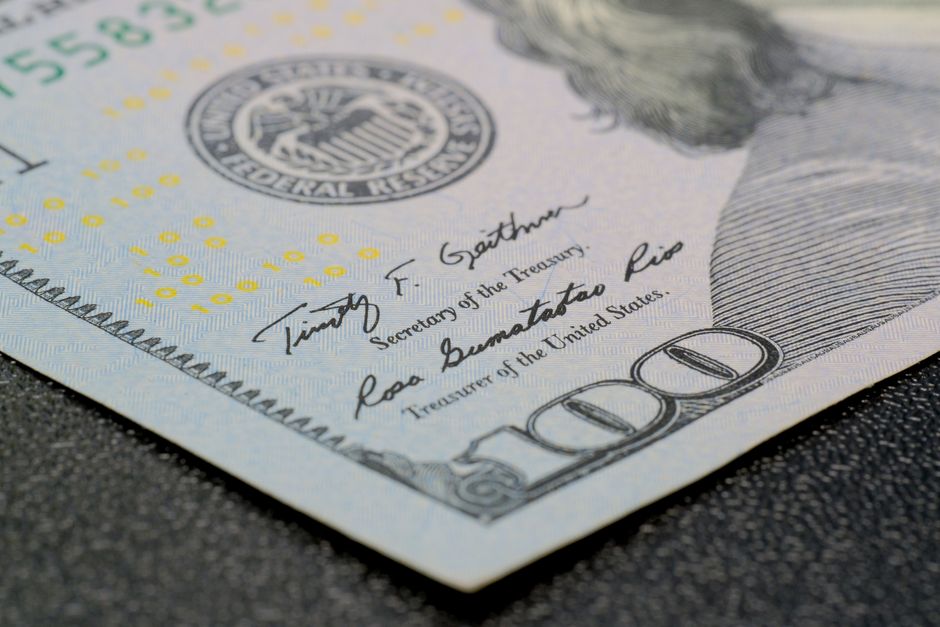
US Treasury Boosts Bond Buybacks: What It Means for Forex
The US Treasury announced a significant increase in long-dated bond buybacks starting 2026, aiming to enhance market liquidity. This strategic move could influence future dollar dynamics and global yield differentials, impacting major forex pairs.
EUR/USDUSD/JPYGBP/USD
View Report
Aug 19, 2026
Dollar Retreats as UK Inflation Rises; FOMC Eyed
The US Dollar eased during the European session, reacting to mixed market signals and rising UK inflation. Forex traders now keenly await the FOMC minutes for fresh insights into future monetary policy direction.
GBP/USDEUR/USDUSD/JPY
View Report
Aug 19, 2026
Eurozone Inflation Rises, ECB Policy Hawk Watch Intensifies
Eurozone inflation saw a confirmed uptick in July, with both headline and core CPI figures rising slightly. This data reinforces the European Central Bank's vigilance, suggesting continued pressure for a hawkish stance ahead of upcoming policy decisions.
EUR/USDEUR/GBPEUR/JPY
View Report
Understanding Forex Market News
Foreign exchange markets are highly sensitive to global macroeconomic developments. The news and technical analysis updates published here are designed to help you follow major capital flows, central bank shifts, and geopolitical milestones that drive exchange rates.
How Macro News Impacts Currency Valuations
Currencies do not move randomly; they reflect the relative economic health of their respective nations. High-impact news releases alter market expectations of future central bank policy:
- Interest Rates: Central banks raise rates to fight inflation and lower them to stimulate growth. Higher relative rates attract global investment capital, strengthening the currency.
- Economic Growth: Strong GDP growth and consumer confidence point to a healthy economy, bolstering demand for the currency.
- Geopolitical Sentiment: During times of crisis or global trade conflict, "safe haven" currencies like the USD, CHF, and JPY typically gain value relative to riskier assets.
Best Practices for Trading Around News Releases
High-impact news can trigger extreme volatility and price gaps. Protect your capital by following these core rules:
- Respect the Spreads: During major events (like CPI or rate statements), liquidity providers withdraw bids and offers. This causes spreads to widen significantly, which can trigger stop losses prematurely.
- Mind the Slippage: If the market gaps over your stop-loss price, your order will be filled at the next available price, leading to larger-than-expected losses.
- Wait for Confluence: Avoid chasing the initial spike. Often, the market will retest the breakout levels once the initial panic subsides, presenting lower-risk entries.