Market WatchLive
Market Insights
Daily Forex News & Analysis
Daily market updates, news, and expert analysis from our research team.
Filtering by currency: USDClear Filter
Articles (Page 54)

Jul 8, 2026
Geopolitical Shockwaves: Iran's Stance Rattles Forex Stability
Iran's declaration of an interim deal as 'ineffective' intensifies geopolitical risk, sending potential shockwaves through forex markets. Traders should prepare for increased volatility, monitoring safe-haven flows and oil price movements in response to Middle East tensions.
USD/JPYEUR/USDUSD/CHF
View Report

Jul 8, 2026
Navigating Geopolitical Tensions & Fed Signals in Today's Forex Market
Forex markets are navigating dual influences: lingering US-Iran geopolitical tensions driving safe-haven demand and a spike in oil prices, alongside the anticipated FOMC meeting minutes providing crucial insights into Federal Reserve monetary policy. Traders should prepare for potential volatility in safe-haven currencies, commodity markets, and all major USD pairs as these factors unfold.
EUR/USDUSD/JPYUSD/CHF
View Report

Jul 8, 2026
Geopolitical Storm Brews: Iran-US Tensions Rock Forex Markets
Escalating US-Iran tensions, including an alleged strike on a US base in Bahrain, are fueling significant geopolitical risk and triggering a flight to safety in forex markets. Traders should prepare for heightened volatility across major currency pairs, with safe havens likely to strengthen and risk-sensitive currencies facing downward pressure.
USD/JPYEUR/CHFAUD/USD
View Report

Jul 8, 2026
Navigating Oil Volatility: China's Export Move & Forex Implications
China's decision to lift refined fuel export restrictions for July could temper global oil prices and impact commodity-linked currencies. Forex traders should monitor geopolitical developments in the Middle East and their influence on risk sentiment and major pairs like USD/CAD.
USD/CADAUD/USDNZD/USD
View Report

Jul 7, 2026
Geopolitical Tensions Fuel Oil Rally, Reshaping Forex Market Dynamics
The U.S. Treasury's revocation of Iran oil sanctions waivers sent crude prices soaring, injecting significant geopolitical risk and inflationary concerns into global markets. Forex traders should monitor oil-sensitive currencies like CAD, safe havens such as CHF and USD, and their response to evolving central bank policies and international developments.
USD/CADEUR/USDUSD/JPY
View Report

Jul 7, 2026
NZD on Edge: RBNZ Rate Decision Looms Amidst Divided Market Views
Forex traders brace for the Reserve Bank of New Zealand's pivotal monetary policy decision on July 8, 2026, with market consensus leaning towards an interest rate hike to combat persistent inflation. The outcome, whether a hike or a surprise hold, will significantly impact NZD currency pairs and global risk sentiment, demanding close attention to the RBNZ's forward guidance.
NZD/USDAUD/NZDNZD/JPY
View Report
Jul 7, 2026
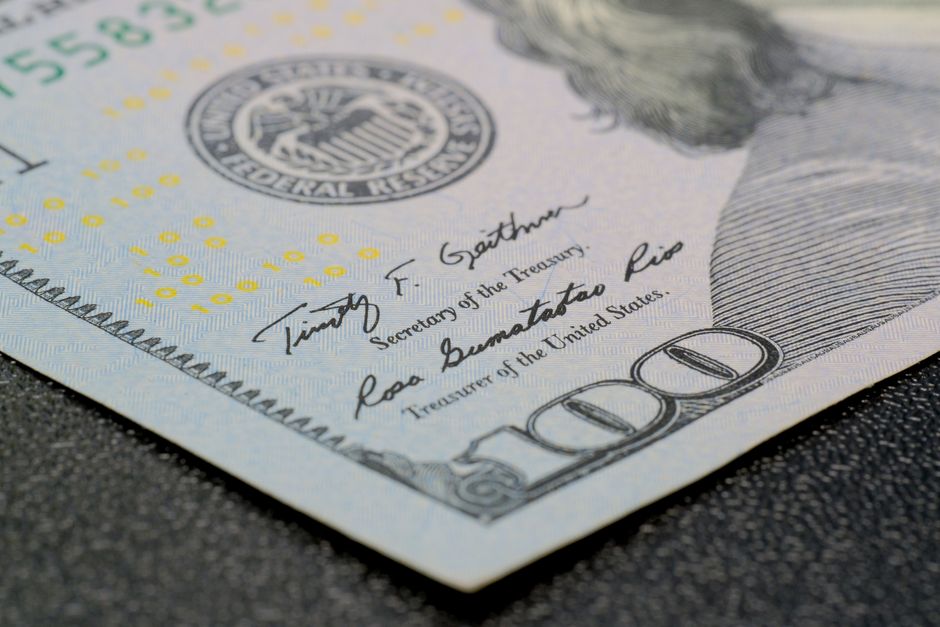
US Treasury Auction Signals Robust Demand: What it Means for the Dollar
A recent US Treasury auction revealed robust investor demand for US debt, driven by strong domestic and international participation. This signals confidence in the US economy and could bolster the US Dollar's appeal against major currencies, influencing pairs like EUR/USD and USD/JPY.
EUR/USDUSD/JPYGBP/USD
View Report

Jul 7, 2026
Strait of Hormuz Escalation: Geopolitical Risk and Forex Impact
Escalating geopolitical tensions in the Strait of Hormuz are driving significant risk aversion across financial markets. Traders should closely monitor crude oil prices and prepare for increased volatility, particularly in safe-haven and commodity-linked currency pairs.
USD/JPYEUR/USDGBP/USD
View Report

Jul 7, 2026
US Inflation Expectations Climb: Dollar's Hawkish Signal
Rising US inflation expectations, as per the New York Fed survey, signal persistent price pressures and could prompt a more hawkish Federal Reserve stance. This development is fundamentally supportive of the US Dollar, impacting major currency pairs.
EUR/USDGBP/USDUSD/JPY
View Report

Jul 7, 2026
Strategic Timing: Identifying the Best Hours to Trade Forex
Optimizing forex trading hours is crucial for maximizing opportunities and managing risk. This guide explores global trading sessions and key overlaps, highlighting how timing impacts liquidity, volatility, and currency pair activity for smarter trading decisions.
EUR/USDGBP/USDUSD/JPY
View Report

Jul 7, 2026
Trump's Ukraine Settlement Hopes: Unpacking the Forex Market Impact
Donald Trump's recent comments on a potential swift resolution to the Ukraine conflict have injected new speculation into forex markets, signaling a potential shift in risk sentiment. Traders should monitor geopolitical developments closely, as a de-escalation could impact safe-haven demand, commodity prices, and key currency pairs like EUR/USD and USD/JPY.
EUR/USDUSD/JPYGBP/USD
View Report

Jul 7, 2026
US Trade Deficit Widens Significantly in May: What It Means for USD
The U.S. trade deficit significantly widened to -$77.6 billion in May, driven by falling exports and rising imports, despite slightly beating analyst estimates. This development suggests potential long-term downward pressure on the U.S. Dollar and impacts major currency pairs like EUR/USD and USD/JPY.
EUR/USDUSD/JPYGBP/USD
View Report

Jul 7, 2026
Canadian Trade Surplus Soars in May: What It Means for the Loonie
Canada's May trade surplus significantly beat expectations due to record exports, providing an immediate boost to the Canadian Dollar. Forex traders should, however, consider the sustainability of this strength given the recent retreat in global energy prices.
USD/CADCAD/JPYEUR/CAD
View Report

Jul 7, 2026
Global Markets Poised: USD/JPY Nears Critical Levels as Traders Await US CPI
Global forex markets are consolidating, primarily awaiting the critical US CPI data, which is set to influence the US Dollar's direction. USD/JPY remains a key focus, hitting multi-decade highs amid monetary policy divergence and intervention fears, while European economic data shows mixed resilience.
EUR/USDUSD/JPYGBP/USD
View Report
Jul 7, 2026
Forex Crossroads: Dollar Holds Breath, Yen Flexes Muscle on Wage Data
Global forex markets watch for central bank cues as the US Dollar remains range-bound, while the Japanese Yen gains strength from robust wage growth. Traders are closely monitoring upcoming monetary policy signals and key economic data for directional shifts in major currency pairs.
EUR/USDUSD/JPYGBP/USD
View Report
Understanding Forex Market News
Foreign exchange markets are highly sensitive to global macroeconomic developments. The news and technical analysis updates published here are designed to help you follow major capital flows, central bank shifts, and geopolitical milestones that drive exchange rates.
How Macro News Impacts Currency Valuations
Currencies do not move randomly; they reflect the relative economic health of their respective nations. High-impact news releases alter market expectations of future central bank policy:
- Interest Rates: Central banks raise rates to fight inflation and lower them to stimulate growth. Higher relative rates attract global investment capital, strengthening the currency.
- Economic Growth: Strong GDP growth and consumer confidence point to a healthy economy, bolstering demand for the currency.
- Geopolitical Sentiment: During times of crisis or global trade conflict, "safe haven" currencies like the USD, CHF, and JPY typically gain value relative to riskier assets.
Best Practices for Trading Around News Releases
High-impact news can trigger extreme volatility and price gaps. Protect your capital by following these core rules:
- Respect the Spreads: During major events (like CPI or rate statements), liquidity providers withdraw bids and offers. This causes spreads to widen significantly, which can trigger stop losses prematurely.
- Mind the Slippage: If the market gaps over your stop-loss price, your order will be filled at the next available price, leading to larger-than-expected losses.
- Wait for Confluence: Avoid chasing the initial spike. Often, the market will retest the breakout levels once the initial panic subsides, presenting lower-risk entries.