Geopolitical Ripples & Holiday Trading: A Volatile Week Ahead
Forex markets are bracing for a dynamic, albeit shortened, trading week as the United States approaches its Independence Day holiday. With US markets closing early on Thursday and remaining shut on Friday, market activity will be compressed into fewer days, potentially amplifying price movements in response to key global developments.
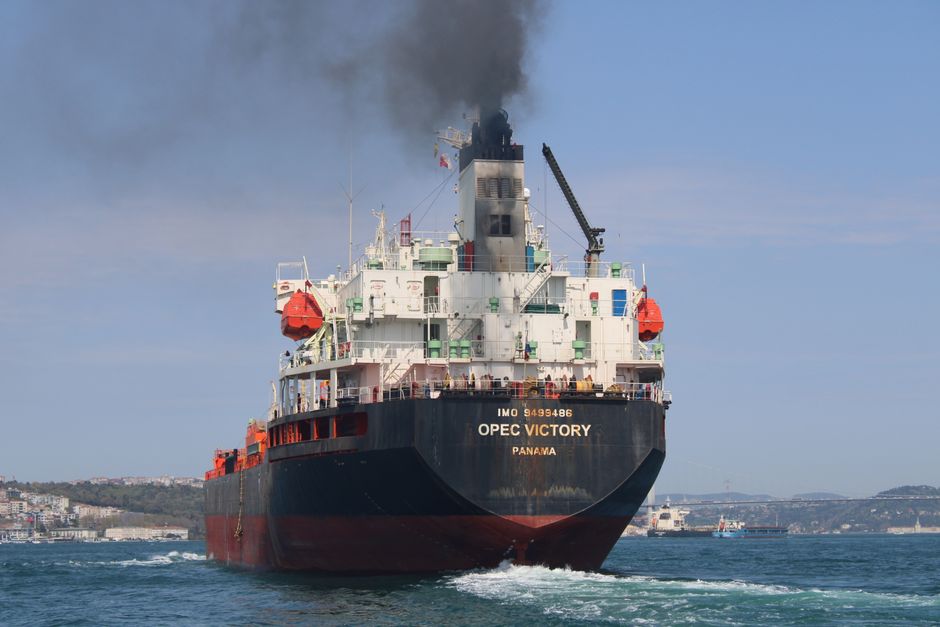
The spotlight this week is firmly on evolving geopolitical tensions between the US and Iran. Over the weekend, reports surfaced of Iran’s involvement in an attack on the commercial cargo vessel Kiku in the strategically vital Strait of Hormuz. While initial exchanges hinted at escalation, both sides appear to be de-escalating rhetoric ahead of high-stakes technical talks scheduled for June 30 in Doha. The Strait of Hormuz remains a critical chokepoint for global oil shipments, making any incident there a significant concern for energy markets and, by extension, global financial stability.
For forex traders, these geopolitical developments carry several implications. Firstly, any perceived threat to oil supply in the Middle East typically sends crude oil prices higher. Elevated oil prices can fuel inflation concerns, potentially influencing central bank policies and impacting currencies. Secondly, heightened global uncertainty traditionally drives investors towards safe-haven assets. The US Dollar (USD) and Japanese Yen (JPY) often see increased demand during such periods, alongside gold (XAU/USD).
Furthermore, the holiday-shortened trading week means thinner liquidity, particularly as Friday approaches. Reduced liquidity can exacerbate volatility, leading to sharper price swings on news developments. Traders must be prepared for potential whipsaws and rapid shifts in sentiment, emphasizing the need for robust risk management.
Key Currency Pairs to Monitor:
* USD/JPY: As a classic safe-haven pair, USD/JPY will be a key barometer of risk sentiment. While JPY typically strengthens on risk aversion, the USD's role as the primary global reserve currency could see it also gain, creating complex dynamics. Watch for shifts in the pair's direction based on the outcome of the Doha talks. * USD/CAD: Canada, a major oil exporter, sees its currency (CAD) highly sensitive to crude oil prices. Higher oil prices generally support the CAD. However, if broader risk-off sentiment prevails, the USD's safe-haven appeal might overshadow CAD's oil-driven strength, potentially limiting CAD's upside. * EUR/USD & AUD/USD: These pairs often act as proxies for global risk appetite. A deterioration in sentiment stemming from Middle East tensions would likely weigh on these pairs as investors shift capital towards the relative safety and liquidity of the US Dollar.
Outlook and Key Levels:
The upcoming June 30 Doha talks represent a critical inflection point. Their outcome could either diffuse tensions, providing relief to markets, or reignite concerns, triggering further volatility. Traders should closely monitor WTI and Brent crude oil prices; significant moves in either direction will serve as a strong indicator of shifting geopolitical risk perception. Given the compressed trading schedule and elevated uncertainty, employing tighter risk management strategies, including judicious use of stop-loss orders and managing position sizes, will be paramount.
In conclusion, this week presents a challenging yet potentially rewarding environment for agile forex traders. A keen focus on geopolitical headlines, their immediate impact on crude oil, and subsequent safe-haven flows will be crucial for navigating the holiday-shortened, volatile landscape.