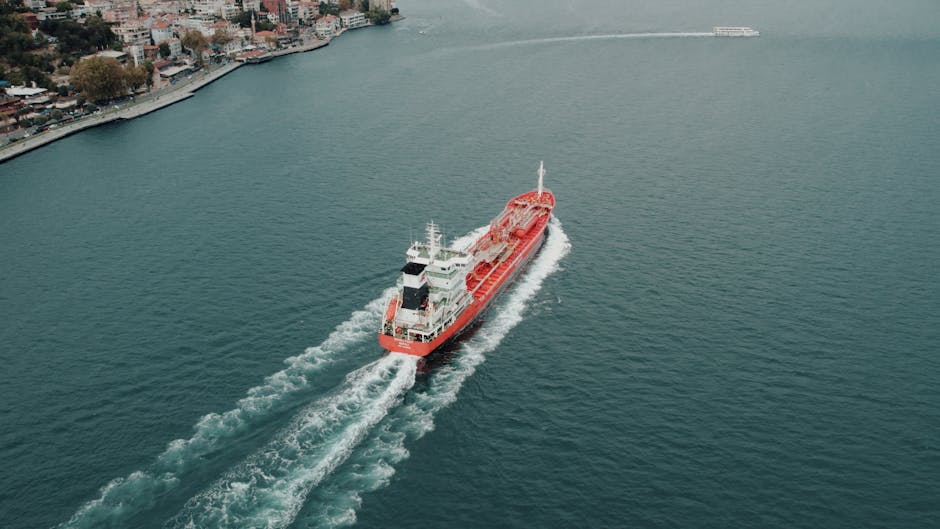
Hormuz Chokepoint: Geopolitical Flare-up Rocks Global Oil and Forex Markets
The Strait of Hormuz, a critical maritime passage through which a significant portion of the world's seaborne oil and liquefied natural gas (LNG) transits, has once again become a flashpoint for global energy concerns and geopolitical risk. Recent declarations from the Islamic Revolutionary Guard Corps (IRGC) signal a drastic escalation, vowing to prevent oil and gas transit as long as US military actions persist in the region. This stance has already manifested in a palpable slowdown of commercial shipping, casting a long shadow over international markets.
Data from the past week reveals a dramatic reduction in vessel traffic through the Strait. Major oil carriers, known as Very Large Crude Carriers (VLCCs), and LNG tankers have virtually ceased transit, marking a significant *de facto* blockade. While some Iranian oil exports continue via a northern corridor and a highly restricted flow of regional Arab Gulf oil is observed, the overall movement of energy supplies has been severely curtailed. LNG exports, in particular, appear to have ground to a halt. This development underscores the severity of the ongoing confrontation between the US and Iran, with both sides continuing to trade blows and no immediate resolution in sight.
For forex traders, the implications of this escalating situation are profound. The immediate and most direct impact is on global crude oil prices. A sustained disruption in supply from such a vital artery will inevitably drive oil benchmarks higher, fueling inflation concerns worldwide. This could force central banks to maintain or even accelerate hawkish monetary policies, potentially stifling economic growth. Furthermore, heightened geopolitical uncertainty typically triggers a flight to safety, influencing broader market sentiment and asset allocation decisions.
Several currency pairs are particularly vulnerable or poised to react to these developments. Oil-exporting economies like Canada and Norway, represented by the Canadian Dollar (CAD) and Norwegian Krone (NOK), might initially see support from rising crude prices. However, if the situation deteriorates into a broader regional conflict, the overarching risk-off sentiment could easily negate these commodity-driven gains. Conversely, traditional safe-haven currencies such as the Japanese Yen (JPY), Swiss Franc (CHF), and the US Dollar (USD) are likely to strengthen as investors seek refuge from uncertainty. The Euro (EUR) and British Pound (GBP) could face headwinds due to Europe's reliance on energy imports and the general aversion to risk.
Looking ahead, the outlook remains highly uncertain and volatile. Traders should anticipate that geopolitical headlines will continue to dominate market drivers. The absence of a clear path to de-escalation suggests that energy market disruptions could be prolonged, maintaining upward pressure on oil prices and sustaining a risk-averse trading environment. Monitoring key diplomatic efforts, military movements, and any shifts in the rhetoric from both sides will be crucial for navigating the forex market in the coming weeks and months. Adaptability and robust risk management will be paramount.
%22%2F%3E%0A%20%20%3C!--%20Grid%20lines%20--%3E%0A%20%20%3Cg%20stroke%3D%22%23ffffff%22%20stroke-opacity%3D%220.03%22%20stroke-width%3D%221%22%3E%0A%20%20%20%20%3Cline%20x1%3D%220%22%20y1%3D%2290%22%20x2%3D%22800%22%20y2%3D%2290%22%2F%3E%0A%20%20%20%20%3Cline%20x1%3D%220%22%20y1%3D%22180%22%20x2%3D%22800%22%20y2%3D%22180%22%2F%3E%0A%20%20%20%20%3Cline%20x1%3D%220%22%20y1%3D%22270%22%20x2%3D%22800%22%20y2%3D%22270%22%2F%3E%0A%20%20%20%20%3Cline%20x1%3D%220%22%20y1%3D%22360%22%20x2%3D%22800%22%20y2%3D%22360%22%2F%3E%0A%20%20%20%20%3Cline%20x1%3D%22160%22%20y1%3D%220%22%20x2%3D%22160%22%20y2%3D%22450%22%2F%3E%0A%20%20%20%20%3Cline%20x1%3D%22320%22%20y1%3D%220%22%20x2%3D%22320%22%20y2%3D%22450%22%2F%3E%0A%20%20%20%20%3Cline%20x1%3D%22480%22%20y1%3D%220%22%20x2%3D%22480%22%20y2%3D%22450%22%2F%3E%0A%20%20%20%20%3Cline%20x1%3D%22640%22%20y1%3D%220%22%20x2%3D%22640%22%20y2%3D%22450%22%2F%3E%0A%20%20%3C%2Fg%3E%0A%20%20%3C!--%20Chart%20line%20--%3E%0A%20%20%3Cpolyline%20fill%3D%22none%22%20stroke%3D%22url(%23line)%22%20stroke-width%3D%223%22%20stroke-linecap%3D%22round%22%20stroke-linejoin%3D%22round%22%0A%20%20%20%20points%3D%2280%2C320%20160%2C280%20240%2C300%20320%2C240%20400%2C260%20480%2C180%20560%2C200%20640%2C140%20720%2C160%22%2F%3E%0A%20%20%3C!--%20Area%20under%20chart%20--%3E%0A%20%20%3Cpolygon%20fill%3D%22url(%23line)%22%20opacity%3D%220.06%22%0A%20%20%20%20points%3D%2280%2C320%20160%2C280%20240%2C300%20320%2C240%20400%2C260%20480%2C180%20560%2C200%20640%2C140%20720%2C160%20720%2C400%2080%2C400%22%2F%3E%0A%20%20%3C!--%20Candlestick%20icons%20--%3E%0A%20%20%3Cg%20stroke%3D%22%232CB88E%22%20stroke-width%3D%222%22%20opacity%3D%220.4%22%3E%0A%20%20%20%20%3Cline%20x1%3D%22200%22%20y1%3D%22210%22%20x2%3D%22200%22%20y2%3D%22260%22%2F%3E%0A%20%20%20%20%3Crect%20x%3D%22194%22%20y%3D%22220%22%20width%3D%2212%22%20height%3D%2225%22%20fill%3D%22%232CB88E%22%20fill-opacity%3D%220.3%22%20rx%3D%221%22%2F%3E%0A%20%20%3C%2Fg%3E%0A%20%20%3Cg%20stroke%3D%22%23F4622A%22%20stroke-width%3D%222%22%20opacity%3D%220.4%22%3E%0A%20%20%20%20%3Cline%20x1%3D%22260%22%20y1%3D%22230%22%20x2%3D%22260%22%20y2%3D%22290%22%2F%3E%0A%20%20%20%20%3Crect%20x%3D%22254%22%20y%3D%22240%22%20width%3D%2212%22%20height%3D%2230%22%20fill%3D%22%23F4622A%22%20fill-opacity%3D%220.3%22%20rx%3D%221%22%2F%3E%0A%20%20%3C%2Fg%3E%0A%20%20%3Cg%20stroke%3D%22%232CB88E%22%20stroke-width%3D%222%22%20opacity%3D%220.4%22%3E%0A%20%20%20%20%3Cline%20x1%3D%22540%22%20y1%3D%22160%22%20x2%3D%22540%22%20y2%3D%22220%22%2F%3E%0A%20%20%20%20%3Crect%20x%3D%22534%22%20y%3D%22170%22%20width%3D%2212%22%20height%3D%2230%22%20fill%3D%22%232CB88E%22%20fill-opacity%3D%220.3%22%20rx%3D%221%22%2F%3E%0A%20%20%3C%2Fg%3E%0A%20%20%3C!--%20Center%20text%20--%3E%0A%20%20%3Ctext%20x%3D%22400%22%20y%3D%22215%22%20text-anchor%3D%22middle%22%20font-family%3D%22system-ui%2C%20-apple-system%2C%20sans-serif%22%20font-size%3D%2216%22%20font-weight%3D%22700%22%20fill%3D%22%23ffffff%22%20opacity%3D%220.15%22%20letter-spacing%3D%224%22%3EFOREX%20MARKET%3C%2Ftext%3E%0A%3C%2Fsvg%3E%0A)