Iran's Deadline Ignites Geopolitical Forex Volatility
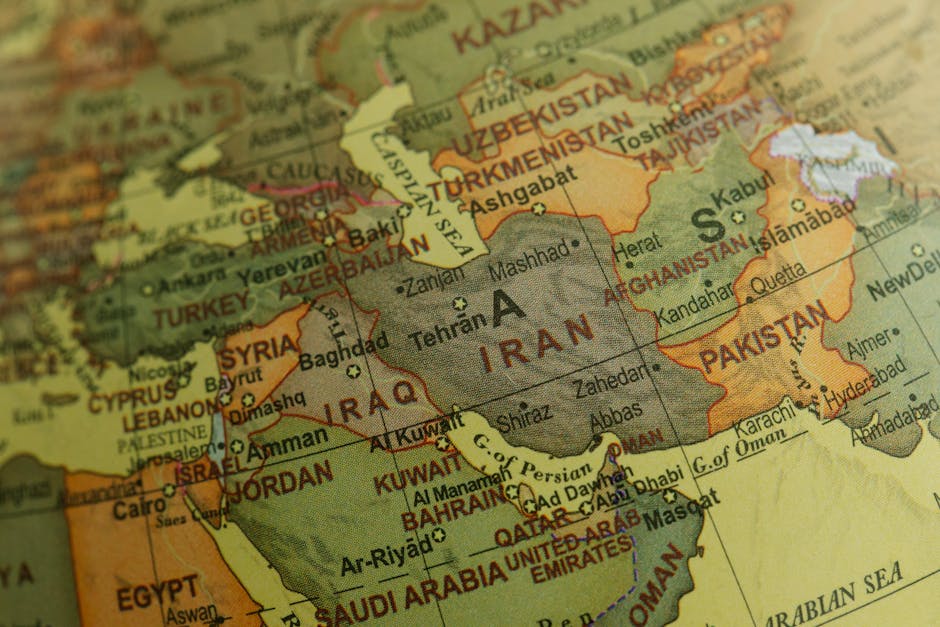
Geopolitical tensions in the Middle East have significantly intensified following recent comments from a senior Iranian official, signaling a dramatic shift in Tehran's foreign policy approach. The unnamed official, cited by Reuters, indicated a move from a 'defensive' posture to a 'fully offensive one,' setting a short deadline for a key Memorandum of Understanding (MOU) implementation.
Geopolitical Tensions Escalate: Iran's New Stance
This pivot marks a critical juncture, with Iran reportedly giving 'a few weeks' for the full execution of the MOU. The official stressed that relying on mediators or external pressure on the United States for lasting peace is deemed unrealistic. Furthermore, a clear warning was issued: all relevant entities are being prepared to escalate regional tensions if diplomatic efforts falter. Iran also stated it would not indefinitely tolerate the ongoing US naval blockade.
Adding to the already volatile mix, reports suggest counter-threats from the US side, with remarks attributed to former President Trump concerning potential military action against Oman should it obstruct US interests. This escalating rhetoric underscores a rapidly deteriorating diplomatic landscape, creating a high-stakes environment for global markets.
Why This Matters for Forex Traders
The implications of this heightened geopolitical risk for forex markets are substantial. Traders typically seek safe-haven assets during periods of uncertainty, making currencies like the Japanese Yen (JPY) and Swiss Franc (CHF) prime beneficiaries. The US Dollar (USD) can also see demand as a global reserve currency, especially if the crisis leads to a broad risk-off sentiment.
Crucially, the Middle East remains a vital region for global oil supplies. Any disruption or perceived threat to these supplies tends to send crude oil prices soaring. While the market might not react drastically to rhetoric alone, a sustained move towards $100 or even $150 per barrel for WTI crude would undoubtedly trigger significant currency shifts. Oil-exporting nations' currencies, such as the Canadian Dollar (CAD) and Norwegian Krone (NOK), would likely strengthen, while net oil importers' currencies could weaken due to increased energy costs. The overall sentiment could also weigh on risk-sensitive currencies like the Australian Dollar (AUD) and New Zealand Dollar (NZD).
Key Currency Pairs to Watch
Forex traders should closely monitor specific pairs for immediate reactions to these developments.
USD/JPY
This pair often serves as a barometer for global risk sentiment. A clear flight to safety would likely see USD/JPY decline, reflecting strong JPY demand. Conversely, any de-escalation could see it rebound.
CAD/JPY
Combining the oil-sensitive CAD with the safe-haven JPY, this cross offers a direct gauge of how both oil prices and risk appetite are influencing markets. Rising oil prices coupled with risk-off sentiment could create complex dynamics, but typically, a surge in oil due to conflict would boost CAD, while risk-off boosts JPY. The net effect would depend on the magnitude of each driver.
EUR/USD
While not directly linked to Middle Eastern oil in the same way as CAD, EUR/USD is sensitive to broader global risk sentiment and economic stability. A major geopolitical crisis could lead to capital flows into the US Dollar, pushing EUR/USD lower, as investors seek the relative safety of the world's primary reserve currency.
Technical Outlook & Trading Perspective
In such an environment, technical levels can be rapidly breached by fundamental news. Traders should prioritize risk management and remain highly agile. Expect increased volatility and potentially wider bid-ask spreads, especially during news releases or sudden developments. Monitoring headline news services will be paramount, as the situation remains highly fluid. Key psychological levels for oil prices will also be critical indicators for market sentiment and potential currency reactions.