Middle East Tensions Stir Forex Markets: What Traders Need to Know
Geopolitical developments frequently inject significant volatility into the global financial markets, and recent statements from Iran regarding ongoing diplomatic efforts with the United States are no exception. Forex traders must remain acutely aware of how such events can rapidly shift market sentiment and currency valuations.
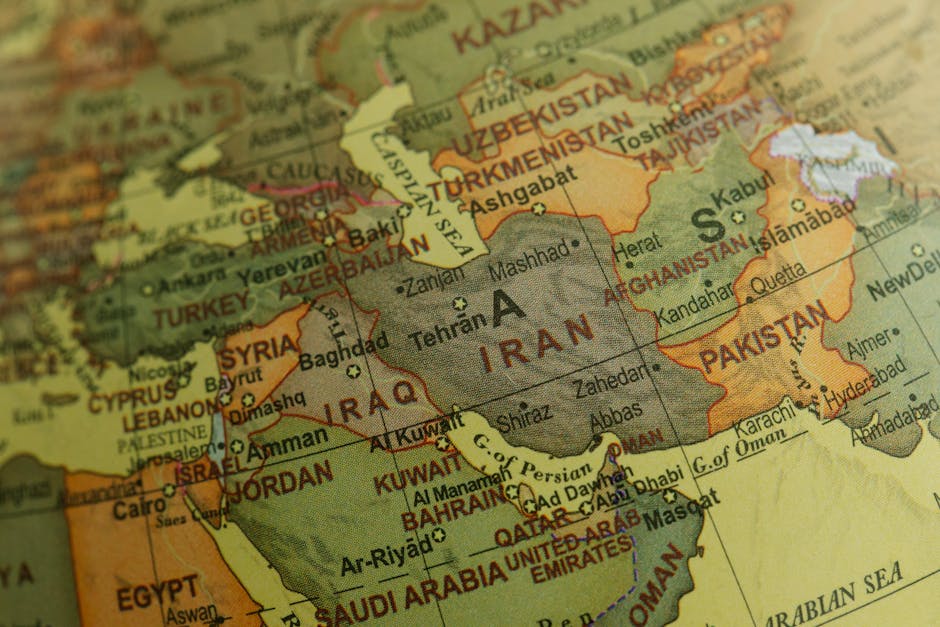
Iran's President has publicly addressed the U.S. approach to bilateral relations, characterizing certain rhetoric as "unreasonable boasting and unfounded threats." He underscored Iran's commitment to a strategy rooted in rationality and human dignity, coupled with a "decisive and fearless defense" when necessary. The President also highlighted that mutual understanding is a bilateral matter, contingent on both sides fulfilling their obligations to any memorandum of understanding. These comments surface amidst reports of both Iranian and American negotiating teams converging in Doha this week for parallel discussions. However, Tehran has explicitly stated that no direct talks are planned between the two sides, casting fresh doubt over the durability of last month's ceasefire agreement. Iran’s foreign ministry further clarified that its technical delegation’s presence in Qatar is unrelated to the parallel American visit, and that no meetings at any level with the United States would take place in the immediate future, effectively dampening expectations for immediate diplomatic breakthroughs.
Why This Matters for Forex Traders: The Middle East remains a pivotal region for global stability and energy supply. Elevated geopolitical tensions in this area often trigger a discernible shift in market sentiment, prompting investors to shed riskier assets in favour of perceived safe havens. This flight to safety is primarily driven by the inherent uncertainty surrounding potential disruptions to global oil supplies, which can have profound implications for global economic growth, inflation outlooks, and ultimately, central bank monetary policy decisions. Forex traders closely monitor these developments as they can rapidly influence risk appetite, interbank liquidity, and overall currency demand dynamics.
Affected Currency Pairs and Market Outlook: * USD (US Dollar): As the world's primary reserve currency, the USD typically benefits from safe-haven flows during periods of global instability. Traders often flock to the greenback due to its unparalleled liquidity and the perceived stability of the U.S. economy and financial markets. * JPY (Japanese Yen): The JPY is another traditional safe-haven currency, historically strengthening as global risk aversion increases. Its low-yield environment often makes it a funding currency for carry trades, which tend to unwind during times of uncertainty, boosting JPY demand. * Oil-Sensitive Currencies: While the immediate impact is often on broader risk sentiment, currencies of major oil exporters like the CAD (Canadian Dollar) and NOK (Norwegian Krone) could see indirect effects. If escalating tensions significantly drive up crude oil prices due to supply concerns, these currencies might find support, though general risk aversion often dominates initially. * Broader Risk Pairs: Pairs like EUR/USD, AUD/USD, and GBP/USD are highly susceptible to downward pressure against the USD as global risk sentiment deteriorates. Emerging market currencies also typically suffer during such periods.
Outlook: Should diplomatic impasses persist and rhetoric intensify, expect continued robust demand for safe-haven assets, potentially leading to further appreciation for the USD and JPY. Traders should anticipate increased volatility across major currency pairs. Conversely, any unexpected signs of de-escalation, renewed commitment to direct dialogue, or a clear path towards a lasting diplomatic resolution could quickly reverse these trends, potentially weakening safe havens and strengthening risk-sensitive currencies. Vigilance and a proactive approach to risk management will be crucial for navigating these evolving geopolitical currents.