Oman's Hormuz Fee Plan: A New Variable for Crude & Currencies
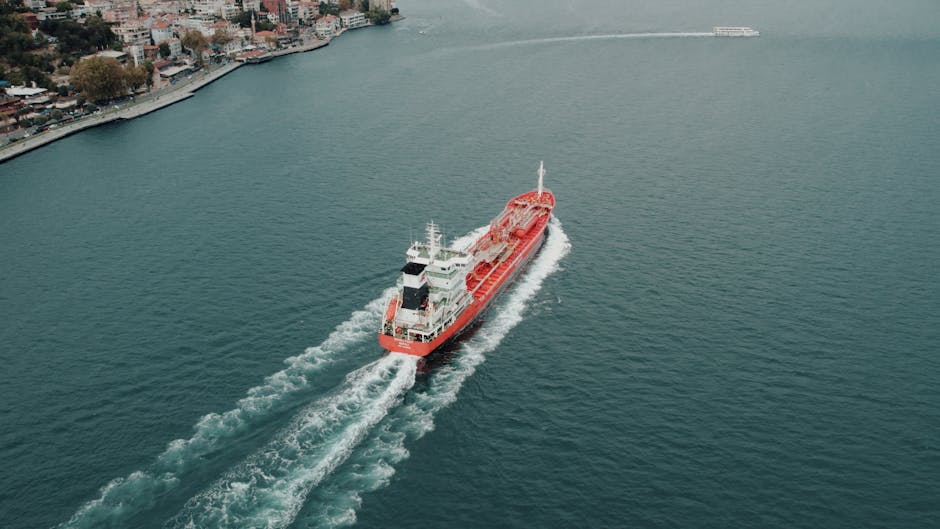
The strategic Strait of Hormuz, a critical chokepoint for global oil shipments, is once again at the forefront of geopolitical discussions, introducing a new layer of complexity for forex traders. Recent reports indicate that Oman has formally proposed a fee system for shipping companies navigating the vital waterway. This plan, presented to the United States, aims for shipping firms to pay service charges for using the strait, drawing parallels to established arrangements in the Straits of Malacca and Singapore.
However, a key point of contention and market uncertainty lies in the nature of these proposed contributions. While some suggest these fees would be voluntary, others contend they would be mandatory. This ambiguity, coupled with Oman's apparent alignment with Iran on this issue, significantly escalates geopolitical risk in a region already prone to volatility. Any move to impose fees, particularly if mandatory, could be perceived as a challenge to the principle of free navigation through international waters, potentially leading to increased tensions.
For forex traders, the implications are substantial. The Strait of Hormuz accounts for approximately 20% of the world's total petroleum liquid consumption, making any disruption or additional cost factor highly sensitive to global crude oil prices. A mandatory fee system would directly increase shipping expenses, which could then be passed on to consumers, fueling inflationary pressures worldwide. More importantly, the geopolitical ramifications of such a proposal inject considerable uncertainty into market sentiment, often prompting a flight to safety.
In this environment, several currency pairs warrant close attention. Commodity-linked currencies, such as the Canadian Dollar (CAD) and Norwegian Krone (NOK), which typically benefit from higher oil prices, could paradoxically face headwinds due to heightened geopolitical risk and the ensuing risk-off sentiment. Investors tend to shun riskier assets during periods of uncertainty, even if the underlying commodity sees a price spike. Conversely, traditional safe-haven currencies like the Japanese Yen (JPY), Swiss Franc (CHF), and the US Dollar (USD) are likely to strengthen as capital flows towards perceived security. Major pairs like EUR/USD and GBP/USD could experience downward pressure if global risk aversion intensifies.
Outlook remains fluid, hinging on diplomatic responses and the specifics of any eventual agreement. Traders should monitor geopolitical developments in the Middle East closely, paying attention to official statements from Oman, Iran, and the US regarding the nature and implementation of any proposed fees. Escalating tensions or a move towards mandatory payments would likely trigger significant market volatility, driving risk aversion and favoring safe-haven assets. Conversely, a clear, voluntary framework that maintains freedom of navigation could mitigate some of these concerns. The key levels to watch are broad market risk appetite indicators and sustained movements in crude oil benchmarks, which will serve as leading indicators for currency market reactions.