US Industrial Output Edges Up: What It Means for USD
The latest economic data release from the United States revealed a modest expansion in industrial production for July, offering fresh insights into the health of the world's largest economy. While expanding, the headline figure of a 0.2% month-over-month increase slightly undershot market expectations of 0.3%.
This follows a 0.3% rise in June, indicating a continued, albeit somewhat decelerated, pace of growth. On an annual basis, industrial output advanced by 1.1%, mirroring the previous period's performance. Capacity utilization held steady at 76.3%, aligning with forecasts, while manufacturing production also climbed by 0.2%. Notably, manufacturing output excluding motor vehicles and parts showed a stronger 0.4% gain, suggesting a resilient underlying sector performance even as broader industrial activity saw a minor deceleration.
Why This Matters for Forex Traders
Forex traders closely scrutinize industrial production figures as they serve as a crucial barometer for economic momentum and inflationary pressures. A robust industrial sector typically signals healthy demand, potential for job growth, and can influence the Federal Reserve's monetary policy decisions.
When data like this misses expectations, even slightly, it can temper market sentiment regarding the pace of economic recovery or future interest rate hikes. Conversely, stronger-than-expected figures might fuel hawkish expectations for the Fed, potentially strengthening the US Dollar. For the USD, this mixed report – a slight headline miss but underlying strength – presents a nuanced picture, suggesting that while growth continues, the path may not be as smooth as anticipated, potentially leading to varied reactions in forex markets.
Key Currency Pairs Affected
The US Dollar (USD) is naturally at the epicenter of reactions to industrial output data. Traders active in major and minor currency pairs involving the USD will be particularly attentive to how this information shapes market perceptions and influences currency valuations.
EUR/USD
This pair is often seen as a direct reflection of relative economic strength and monetary policy divergence between the US and the Eurozone. Should the industrial data be interpreted as a sign of slowing US momentum, the USD could weaken, potentially pushing EUR/USD higher. Conversely, if the underlying strength in manufacturing is emphasized, the USD might find support, putting downward pressure on the pair.
USD/JPY
As a pair sensitive to interest rate differentials and global risk sentiment, USD/JPY can react significantly. A perceived softening in US economic data might lead to a reassessment of the Fed's tightening path, potentially causing the USD to depreciate against the safe-haven Japanese Yen. However, strong underlying data could bolster confidence in the US economy, supporting the pair as rate hike expectations remain on the table.
Technical Outlook & Trading Perspective
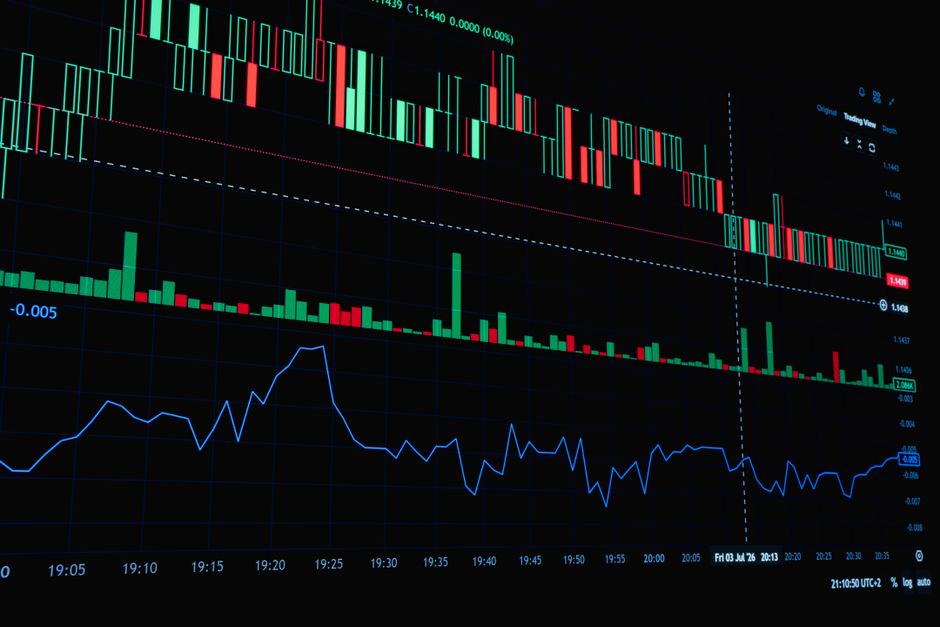
From a technical perspective, traders will initially look for immediate price reactions on charts, often characterized by increased volatility around the data release. Following this initial burst, the market will likely consolidate as analysts digest the nuances of the report and its broader implications for monetary policy.
Key technical levels for pairs like EUR/USD and USD/JPY will become critical. For instance, a sustained break above or below established support and resistance lines could signal a more definitive trend direction. Traders should monitor moving averages and candlestick patterns for confirmation of market sentiment. While the July industrial production data provides an important piece of the puzzle, it's crucial to integrate this fundamental insight with broader technical analysis and upcoming economic releases to form a comprehensive trading strategy.