US Tariffs Threaten Talks: Forex Volatility Looms
Reports from Bloomberg suggest the United States is poised to levy a new 7.5% tariff on Chinese imports. This potential move, coming just weeks before a critical meeting between President Trump and President Xi Jinping on September 24th in Washington, could significantly escalate trade tensions and inject fresh uncertainty into global financial markets.
This proposed tariff increase would effectively restore the total duties on Chinese goods, initiated during Trump’s second term, to approximately 20%. While this level has been tolerated by Beijing in the past, the timing and context are crucial. The announcement follows a recent 12.5% tariff imposed in July, ostensibly in response to concerns over forced labor practices, and could be seen as a strategic maneuver following the Supreme Court's decision to strike down some existing US tariffs.
Why This Matters for Forex Traders
The re-emergence of heightened trade friction between the world's two largest economies inevitably sends ripples through the forex market. Traders should anticipate increased volatility and a shift in risk sentiment. Renewed tariff threats can dampen global growth forecasts, leading investors to seek safer assets and impacting currencies tied to international trade flows.
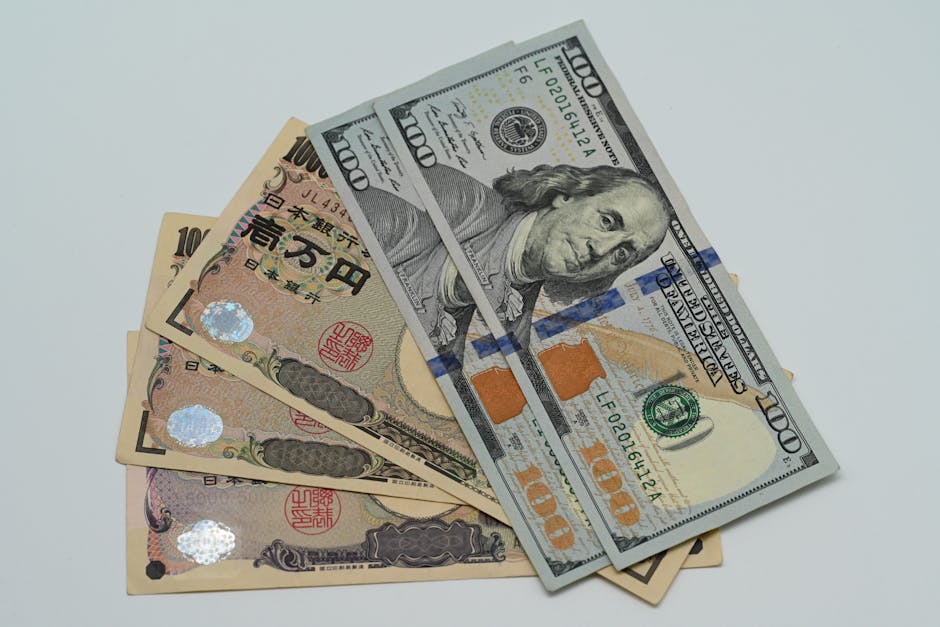
Economic uncertainty typically fosters a 'risk-off' environment, where demand for safe-haven currencies like the Japanese Yen (JPY) and, at times, the US Dollar (USD) can surge, while growth-sensitive currencies may face selling pressure. Furthermore, the potential for trade talks to falter adds a layer of unpredictability, demanding agile trading strategies.
Key Currency Pairs Affected
USD/JPY As a primary safe-haven, the Japanese Yen often strengthens during periods of global uncertainty. Should trade tensions escalate further, we could see USD/JPY face renewed downward pressure as risk aversion drives demand for the JPY. Traders will be watching for breaks below key support levels.
AUD/USD & NZD/USD Both the Australian and New Zealand Dollars are highly sensitive to China's economic health and commodity prices. Any development that threatens Chinese growth or global trade is likely to weigh heavily on these pairs. Expect potential selling pressure, pushing AUD/USD and NZD/USD towards recent lows.
EUR/USD The Euro, already grappling with regional economic headwinds, could experience further downside if global trade wars intensify. A broad deterioration in global economic sentiment tends to weaken the single currency against the US Dollar, which often benefits from safe-haven flows during such times.
USD/CNH The offshore Chinese Yuan (CNH) will be on the front lines of any tariff escalation. Direct pressure on Chinese exports could lead to a weaker CNH against the USD, as Beijing might allow some depreciation to offset the tariff impact.
Technical Outlook & Trading Perspective
Forex traders should prepare for potential shifts in established trends and an increase in market noise. Pay close attention to headline risk, as any official confirmation or denial of these tariffs, or progress (or lack thereof) in the upcoming trade talks, could trigger sharp price movements. Focus on risk management, employ wider stop-losses, and consider reducing position sizes during periods of extreme uncertainty. Key psychological levels across major pairs will likely be tested, and breakouts from current ranges are a distinct possibility as markets react to the evolving trade narrative.