Market WatchLive
Market Insights
Daily Forex News & Analysis
Daily market updates, news, and expert analysis from our research team.
Filtering by currency: CHFClear Filter
Articles (Page 2)

Aug 6, 2026
Trump's Geopolitical Rhetoric: Forex Market Implications
Former President Trump's recent posts on Iran and Venezuela are fueling geopolitical uncertainty in currency markets. Traders should watch for safe-haven flows and potential USD strength as global risk sentiment shifts.
EUR/USDUSD/JPYUSD/CHF
View Report

Aug 4, 2026
Strait of Hormuz Speculation Ignites Oil & Forex Swings
Speculation about the Strait of Hormuz reopening has sent oil prices tumbling, creating ripples across the forex market. Traders should watch key currency pairs and geopolitical updates closely for emerging opportunities.
USD/CADJPYCHF
View Report

Aug 3, 2026
Geopolitical Jitters: Trump's Iran Remarks Fuel Forex Market Caution
Former President Donald Trump's recent strong remarks on Iran's leadership have injected fresh geopolitical uncertainty into the markets, heightening risk aversion among forex traders. This situation could bolster safe-haven currencies like the USD and JPY, while risk-sensitive pairs may face downward pressure.
USD/JPYEUR/USDGBP/USD
View Report

Aug 3, 2026
Iran's Hormuz Stance: Geopolitical Volatility and Forex Market Impact
Geopolitical tensions surrounding the Strait of Hormuz continue to impact forex markets as Iran rejects a US concession, maintaining uncertainty. Traders should closely monitor crude oil prices and safe-haven flows, as the situation influences major currency pairs like USD/JPY and EUR/USD.
USD/JPYEUR/USDUSD/CHF
View Report
Aug 3, 2026
US-Iran Tensions Flare: Tehran Rejects Immediate Talks, Market Uncertainty Rises
Iran's firm denial of immediate talks with the US heightens geopolitical tensions, driving market uncertainty and impacting key currency pairs. Traders should prepare for increased volatility and potential safe-haven flows as Middle East instability weighs on global risk sentiment and crude oil prices.
USD/JPYUSD/CHFUSD/CAD
View Report

Aug 3, 2026
French Factory Output Sinks: Eurozone Economic Health Check
French manufacturing activity contracted further in July, signalling a challenging start to Q3 for the Eurozone economy. Forex traders should monitor EUR crosses for potential downside pressure as this data could influence future ECB policy decisions.
EUR/USDEUR/GBPEUR/JPY
View Report

Aug 3, 2026
Swiss Inflation Stalls: Deflationary Pressures Mount for SNB
Switzerland's July inflation remained subdued, reigniting deflation concerns and putting pressure on the Swiss National Bank. Forex traders should monitor potential SNB intervention and the franc's strength against major pairs.
USD/CHFEUR/CHFGBP/CHF
View Report
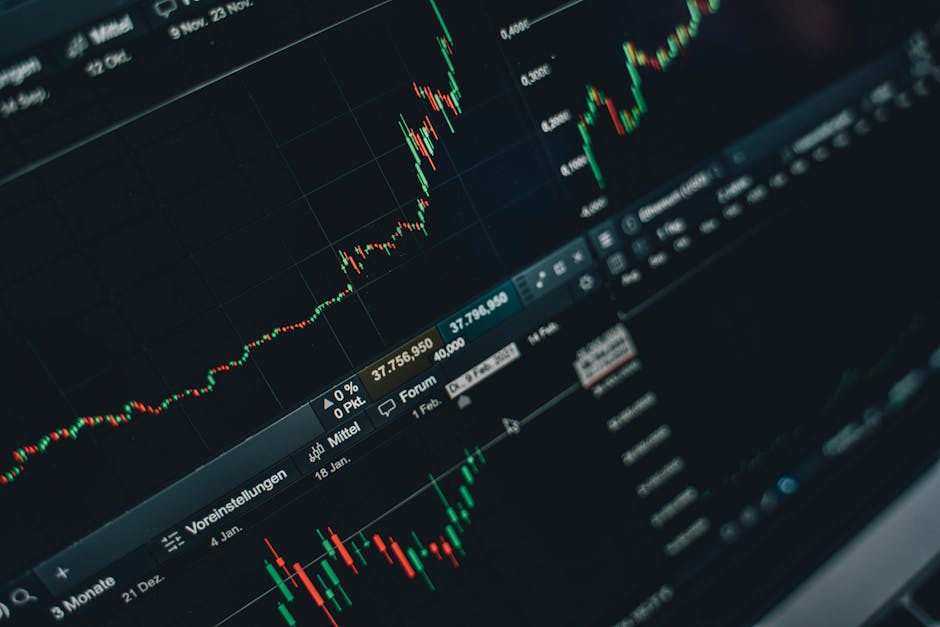
Aug 3, 2026
Forex Focus: Manufacturing PMIs and US Economic Pulse
Today brings Eurozone and UK manufacturing PMIs alongside Swiss CPI, with muted market impact expected from Europe. The US ISM Manufacturing PMI later could stir dollar pairs, though broader focus remains on geopolitical tensions and upcoming US CPI.
EUR/USDGBP/USDUSD/CHF
View Report

Aug 1, 2026
JPY's Future at Risk? Analyzing a Potential 2026 Currency Crisis
Market analysts are exploring a hypothetical 2026 scenario of significant Japanese Yen depreciation, driven by persistent monetary policy divergence and widening interest rate differentials. This potential JPY weakness would create both carry trade opportunities and heightened volatility across key currency pairs like USD/JPY, necessitating robust risk management.
USD/JPYEUR/JPYGBP/JPY
View Report
Jul 31, 2026
Forex Alert: Central Bank Dovish Pivot Reprices Global Rate Hikes
Recent central bank decisions have triggered a widespread dovish repricing of global interest rate expectations, creating significant divergence in monetary policy outlooks. Forex traders should monitor key currency pairs for shifts in strength, particularly the relatively strong NZD and vulnerable CAD, AUD, CHF, and GBP, as central banks signal a pause or end to tightening cycles.
NZD/USDEUR/USDGBP/USD
View Report

Jul 30, 2026
Euro Resilience Tested: Germany's Q2 Growth Offers Glimmer Amid Headwinds
Germany's Q2 GDP slightly beat expectations, offering a marginal boost to the Euro, primarily driven by exports. Traders should monitor underlying weaknesses in consumer spending and investment as global headwinds challenge the H2 outlook for EUR pairs.
EUR/USDEUR/GBPEUR/JPY
View Report

Jul 30, 2026
Euro Volatility Ahead: Key Data to Reshape ECB Rate Path
European economic data, including key GDP and inflation figures, is poised to inject significant volatility into the forex market. Traders will scrutinize these releases for clues on the European Central Bank's next monetary policy steps, potentially reshaping Euro currency pair trajectories.
EUR/USDEUR/GBPEUR/JPY
View Report

Jul 30, 2026
Middle East Tensions Flare: Forex Implications of US Strikes on Iran
US retaliatory strikes in the Middle East have escalated geopolitical risks, prompting a flight to safe-haven assets. Forex traders should monitor USD, JPY, and oil prices for increased volatility amid ongoing tensions.
USD/JPYEUR/USDUSD/CHF
View Report

Jul 29, 2026
Middle East Tensions Flare: Forex Traders Brace for Impact
Escalating Middle East tensions following reports of potential US military action against Iran are sending ripples through global financial markets. Forex traders should monitor safe-haven currencies like JPY and CHF, and oil-sensitive pairs, as risk aversion drives market sentiment.
USD/JPYUSD/CHFCAD/JPY
View Report

Jul 29, 2026
Geopolitical Storm Brews: US-Iran Standoff Shakes Forex Markets
Reports of a potential significant US response to Iran are fueling geopolitical tensions, driving a flight to safe-haven currencies and sending crude oil prices higher. Forex traders should prepare for increased volatility, with the USD, JPY, and CHF likely benefiting from risk aversion while risk-sensitive pairs face pressure.
USD/JPYUSD/CHFEUR/USD
View Report
Understanding Forex Market News
Foreign exchange markets are highly sensitive to global macroeconomic developments. The news and technical analysis updates published here are designed to help you follow major capital flows, central bank shifts, and geopolitical milestones that drive exchange rates.
How Macro News Impacts Currency Valuations
Currencies do not move randomly; they reflect the relative economic health of their respective nations. High-impact news releases alter market expectations of future central bank policy:
- Interest Rates: Central banks raise rates to fight inflation and lower them to stimulate growth. Higher relative rates attract global investment capital, strengthening the currency.
- Economic Growth: Strong GDP growth and consumer confidence point to a healthy economy, bolstering demand for the currency.
- Geopolitical Sentiment: During times of crisis or global trade conflict, "safe haven" currencies like the USD, CHF, and JPY typically gain value relative to riskier assets.
Best Practices for Trading Around News Releases
High-impact news can trigger extreme volatility and price gaps. Protect your capital by following these core rules:
- Respect the Spreads: During major events (like CPI or rate statements), liquidity providers withdraw bids and offers. This causes spreads to widen significantly, which can trigger stop losses prematurely.
- Mind the Slippage: If the market gaps over your stop-loss price, your order will be filled at the next available price, leading to larger-than-expected losses.
- Wait for Confluence: Avoid chasing the initial spike. Often, the market will retest the breakout levels once the initial panic subsides, presenting lower-risk entries.