Market WatchLive
Market Insights
Daily Forex News & Analysis
Daily market updates, news, and expert analysis from our research team.
Articles (Page 4)

Aug 25, 2026
US Housing Resilience Shakes Forex: Trader Insights
US home price data surpassed expectations, revealing unexpected resilience in the housing market despite high interest rates. This positive economic signal has significant implications for the Federal Reserve's policy trajectory and could influence major currency pair movements, particularly those involving the US Dollar.
EUR/USDUSD/JPYGBP/USD
View Report

Aug 25, 2026
Canadian Wholesale Trade Dips: CAD Traders on Alert
Canada's preliminary July wholesale trade saw a 0.6% decline, signaling a potential slowdown after previous strong growth. Forex traders should watch the Canadian dollar closely as this data could influence the Bank of Canada's monetary policy decisions, impacting pairs like USD/CAD and CAD/JPY.
USD/CADCAD/JPYEUR/CAD
View Report

Aug 25, 2026
Geopolitical Hopes Ignite Risk Appetite: Forex Impact
Forex markets reacted positively to news of potential US-Iran de-escalation, boosting risk sentiment globally. This shift, alongside mixed European data, impacts major currency pairs, signaling potential shifts for traders.
EUR/USDUSD/JPY
View Report

Aug 25, 2026
Iran Sanctions Relief: Pakistan's Proposal & Forex Markets
Pakistan's diplomatic efforts to ease US-Iran tensions, including a proposal for sanctions relief, could significantly impact global forex markets. Traders should monitor geopolitical shifts, risk sentiment, and oil prices for their influence on key currency pairs like USD/JPY and EUR/USD.
USD/JPYEUR/USDUSD/CAD
View Report

Aug 25, 2026
German Business Sentiment Soars, Boosting Euro Prospects
Germany's August Ifo Business Climate Index surged past expectations, signaling robust improvement in business sentiment and economic outlook. This positive data provides a fundamental tailwind for the Euro, influencing ECB policy views and potentially boosting EUR/USD.
EUR/USDEUR/JPYEUR/GBP
View Report

Aug 25, 2026
French Consumer Confidence Stalls: Eurozone Impact Ahead?
French consumer confidence held steady at 86 in August, missing forecasts and highlighting persistent economic concerns. This conservative sentiment, marked by record savings, could weigh on eurozone growth and keep the Euro under pressure.
EUR/USDEUR/GBPEUR/JPY
View Report

Aug 25, 2026
Germany's Q2 GDP Revision Sparks Euro Strength Hopes
Germany's Q2 GDP beat expectations, revised higher to 0.3% q/q, driven by strong exports. This positive economic data could bolster the Euro and influence ECB policy decisions, offering key insights for forex traders.
EUR/USDEUR/GBPEUR/JPY
View Report

Aug 25, 2026
Forex Focus: Today's Data Points Offer Limited Market Impact
Today's European IFO and US Consumer Confidence reports are anticipated to yield a muted forex market reaction. With central banks maintaining their stances, traders should focus on broader themes like Jackson Hole for significant directional cues.
EUR/USDUSD/JPY
View Report

Aug 25, 2026
Asian Market Divergence: Gold Dips, Bitcoin Soars
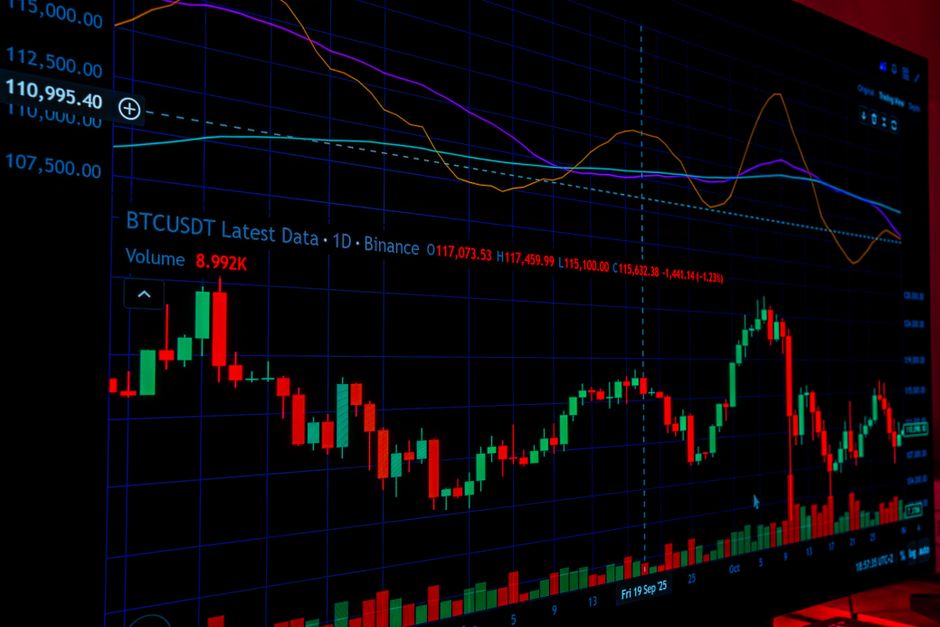
Bitcoin jumps above US$80K for the first time in 3 months Japan to weigh tax incentives for retail JGB investors, Katayama says Gold has been slammed down $50 and oil has jumped Oil is still quietly c
View Report
Aug 25, 2026
Yen Volatility Alert: Japan's JGB Retail Investor Push
Japan's proposal for retail JGB tax incentives could significantly impact the Yen and Bank of Japan policy. Forex traders should monitor these developments for shifts in JPY crosses and USD/JPY.
USD/JPYEUR/JPYGBP/JPY
View Report

Aug 24, 2026
RBA Minutes Reveal Policy Crossroads for Australian Dollar
The upcoming RBA August meeting minutes will offer crucial insights into the central bank's "hike-versus-hold" debate. Traders should watch for clues on future monetary policy, driving potential volatility for the Australian Dollar across major pairs.
AUD/USDAUD/JPYAUD/NZD
View Report

Aug 24, 2026
Global Trade Jitters Fuel Dollar Surge; CAD Under Pressure
US trade threats against Canada and new tariffs on China are reshaping currency markets, driving the dollar higher. Learn how these geopolitical tensions impact key forex pairs and what to watch next.
USD/CADEUR/USDUSD/JPY
View Report

Aug 24, 2026
Trade War Jitters Roil Forex: USD Rises, CAD Under Pressure
Global trade tensions, fueled by US threats against Canada and China, are reshaping forex markets. The US Dollar gains as a safe haven, while the Canadian Dollar faces pressure from tariff fears and weak manufacturing data, driving volatility across key pairs like USD/CAD and Gold.
USD/CADXAU/USDUSD/JPY
View Report

Aug 24, 2026
US-Canada Trade: Unpacking Trump's Negotiation Strategy
Recent comments from US officials suggest ongoing US-Canada trade talks are entering a crucial de-escalation phase. This analysis explores how negotiation tactics and tariff timelines could impact CAD and USD/CAD for forex traders.
USD/CADCAD/JPYAUD/CAD
View Report

Aug 24, 2026
US-Canada Diplomatic Spat: Forex Traders Brace for Impact
Fiery remarks from Donald Trump targeting Canada's economic leadership and trade practices are stirring significant uncertainty in North American forex markets. Traders should brace for increased volatility in the Canadian Dollar, with USD/CAD likely to face upward pressure amidst potential trade tensions.
USD/CADCAD/JPYEUR/CAD
View Report
Understanding Forex Market News
Foreign exchange markets are highly sensitive to global macroeconomic developments. The news and technical analysis updates published here are designed to help you follow major capital flows, central bank shifts, and geopolitical milestones that drive exchange rates.
How Macro News Impacts Currency Valuations
Currencies do not move randomly; they reflect the relative economic health of their respective nations. High-impact news releases alter market expectations of future central bank policy:
- Interest Rates: Central banks raise rates to fight inflation and lower them to stimulate growth. Higher relative rates attract global investment capital, strengthening the currency.
- Economic Growth: Strong GDP growth and consumer confidence point to a healthy economy, bolstering demand for the currency.
- Geopolitical Sentiment: During times of crisis or global trade conflict, "safe haven" currencies like the USD, CHF, and JPY typically gain value relative to riskier assets.
Best Practices for Trading Around News Releases
High-impact news can trigger extreme volatility and price gaps. Protect your capital by following these core rules:
- Respect the Spreads: During major events (like CPI or rate statements), liquidity providers withdraw bids and offers. This causes spreads to widen significantly, which can trigger stop losses prematurely.
- Mind the Slippage: If the market gaps over your stop-loss price, your order will be filled at the next available price, leading to larger-than-expected losses.
- Wait for Confluence: Avoid chasing the initial spike. Often, the market will retest the breakout levels once the initial panic subsides, presenting lower-risk entries.