Market WatchLive
Market Insights
Daily Forex News & Analysis
Daily market updates, news, and expert analysis from our research team.
Filtering by currency: CHFClear Filter
Articles (Page 4)

Jul 24, 2026
Global Shipping Security: Hormuz Tensions and Forex Market Impact
Geopolitical tensions surrounding the Strait of Hormuz are driving forex market volatility. Learn how the proposed US-UK coalition meeting could impact major currency pairs and global oil prices.
USD/JPYGBP/USDEUR/USD
View Report

Jul 24, 2026
Geopolitical Tensions Mount: Trump's Comments & Forex Market Impact
Former President Trump's recent comments regarding potential China-Russia involvement in Iran's missile program stir geopolitical uncertainty. Forex traders should prepare for increased volatility and safe-haven flows, impacting key pairs like USD, JPY, and CHF.
USD/JPYEUR/USDUSD/CHF
View Report
Jul 24, 2026
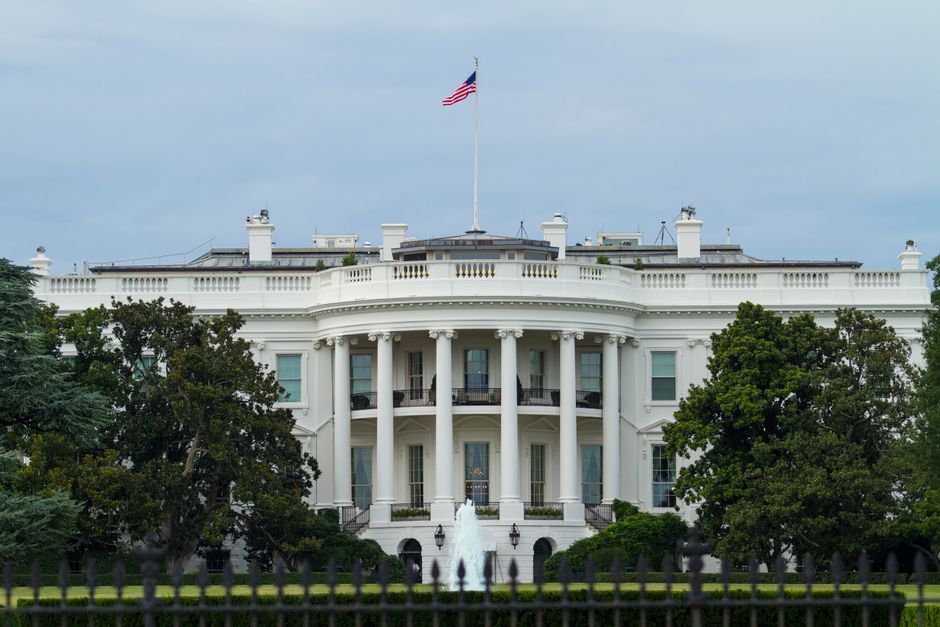
Global Risk Watch: Trump, Netanyahu Meet Amid Iran Standoff
The upcoming meeting between U.S. President Trump and Israeli PM Netanyahu is set to significantly impact forex markets due to escalating US-Iran tensions. Traders should prepare for potential safe-haven flows into USD, JPY, and CHF, and volatility in oil-sensitive currencies, depending on the tone of discussions.
USD/JPYEUR/USDUSD/CHF
View Report
Jul 24, 2026
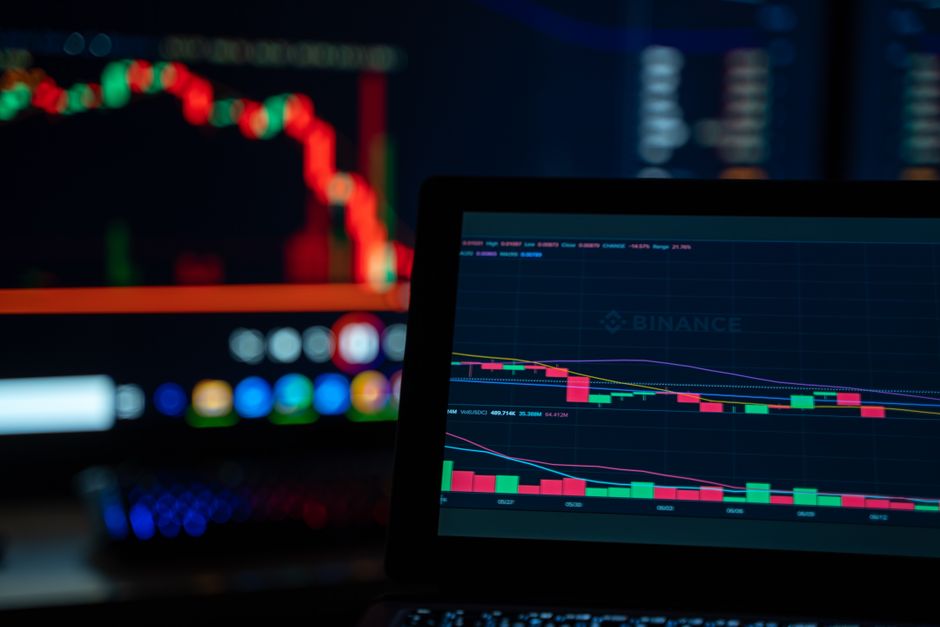
Middle East Tensions Flare: Saudi Reports Trigger Forex Market Jitters
Unconfirmed reports of explosions in Saudi Arabia are driving heightened geopolitical risk, prompting safe-haven demand and potential oil market volatility. Forex traders should monitor official confirmations and Middle East developments closely for market direction.
USD/JPYUSD/CHFAUD/USD
View Report

Jul 24, 2026
Forex Market Reacts: Central Bank Rate Hike Outlook Shifts After Quiet Week
Despite a quiet week, market-implied interest rate expectations for global central banks have notably shifted, creating new dynamics for forex traders. Understanding these updated monetary policy outlooks is crucial for identifying potential currency movements and trading opportunities across major pairs.
NZD/USDEUR/USDUSD/JPY
View Report

Jul 23, 2026
Geopolitical Storm Brews: Risk Aversion Dominates Forex Markets
Global forex markets are gripped by heightened risk aversion as escalating geopolitical tensions and ongoing trade disputes fuel demand for safe-haven assets. Traders should prepare for continued volatility, with currencies like JPY and CHF likely to strengthen while commodity and risk-sensitive pairs face downward pressure.
EUR/USDUSD/JPYAUD/USD
View Report

Jul 23, 2026
Geopolitical Risk Flares: Middle East Tensions Fuel Safe-Haven Demand
Escalating Middle East tensions and a US Senate vote on war powers are fueling safe-haven demand across forex markets. Traders should brace for increased volatility in pairs like USD/JPY, CHF/JPY, and XAU/USD as geopolitical risk remains a dominant market driver.
USD/JPYCHF/JPYXAU/USD
View Report

Jul 23, 2026
Trump's Iran Warning: Geopolitical Risk Reignites Safe-Haven Demand
President Trump's remarks on potential military action against Iran escalate geopolitical tensions, driving immediate safe-haven demand across currency markets. Traders should monitor USD, JPY, and oil prices closely as global uncertainty impacts major forex pairs.
USD/JPYUSD/CHFEUR/USD
View Report

Jul 23, 2026
Escalating Middle East Tensions: Forex Market Impact & Outlook
Escalating Middle East tensions, driven by Iran's hardened stance, are fueling global risk aversion among forex traders. This environment is increasing demand for safe-haven currencies like the USD, JPY, and CHF, impacting broader market sentiment and commodity prices.
USD/JPYEUR/USDGBP/USD
View Report

Jul 23, 2026
Middle East Tensions Flare: What It Means for Forex Traders
Escalating US-Iran tensions are fueling forex market volatility, driving demand for safe-haven currencies like USD, JPY, and CHF while impacting oil-linked pairs. Traders must monitor geopolitical developments and crude oil prices closely for shifts in risk sentiment and currency valuations.
USD/JPYEUR/USDAUD/JPY
View Report

Jul 23, 2026
France's Economic Rebound Fuels Euro Optimism
France's business confidence surged in July, extending its rebound and signaling robust economic health for the Eurozone. This positive data could bolster the Euro against major currencies like the USD and GBP, influencing trader sentiment.
EUR/USDEUR/GBPEUR/JPY
View Report

Jul 22, 2026
Geopolitical Risk Surges: Iran's Warnings Shake Forex Markets
Escalating geopolitical tensions in the Middle East, driven by Iran's broadening threats to energy infrastructure and shipping, are significantly increasing forex market uncertainty. This environment is fueling demand for safe-haven currencies like the USD and JPY, while creating volatility for oil-linked and risk-sensitive pairs.
USD/JPYEUR/USDUSD/CAD
View Report

Jul 22, 2026
US Tax Loophole Crackdown: Dollar Impact for Forex Traders
The US Treasury and IRS are intensifying efforts against Wall Street tax loopholes, signaling potential shifts in capital flows and investor sentiment. Forex traders should monitor USD pairs for increased volatility as regulatory scrutiny impacts risk appetite and investment strategies.
EUR/USDUSD/JPYGBP/USD
View Report

Jul 22, 2026
Geopolitical Storm Brews: Trump's Iran Warning Rocks Oil, Safe Havens
President Trump's explicit threat against Iranian infrastructure following potential attacks in the Strait of Hormuz has dramatically escalated Middle East tensions, driving up crude oil prices. Forex traders should anticipate heightened volatility and increased demand for safe-haven currencies like the USD, JPY, and CHF, while monitoring geopolitical developments closely.
USD/JPYUSD/CHFCAD/JPY
View Report

Jul 22, 2026
Middle East Tensions & Forex: US Stance on Iran Shapes Market Outlook
Recent US diplomatic remarks concerning Iran are heightening geopolitical risk, potentially driving oil prices higher and strengthening the US Dollar. Forex traders should monitor these developments closely for impacts on safe-haven currencies and commodity-linked pairs.
EUR/USDUSD/JPYAUD/USD
View Report
Understanding Forex Market News
Foreign exchange markets are highly sensitive to global macroeconomic developments. The news and technical analysis updates published here are designed to help you follow major capital flows, central bank shifts, and geopolitical milestones that drive exchange rates.
How Macro News Impacts Currency Valuations
Currencies do not move randomly; they reflect the relative economic health of their respective nations. High-impact news releases alter market expectations of future central bank policy:
- Interest Rates: Central banks raise rates to fight inflation and lower them to stimulate growth. Higher relative rates attract global investment capital, strengthening the currency.
- Economic Growth: Strong GDP growth and consumer confidence point to a healthy economy, bolstering demand for the currency.
- Geopolitical Sentiment: During times of crisis or global trade conflict, "safe haven" currencies like the USD, CHF, and JPY typically gain value relative to riskier assets.
Best Practices for Trading Around News Releases
High-impact news can trigger extreme volatility and price gaps. Protect your capital by following these core rules:
- Respect the Spreads: During major events (like CPI or rate statements), liquidity providers withdraw bids and offers. This causes spreads to widen significantly, which can trigger stop losses prematurely.
- Mind the Slippage: If the market gaps over your stop-loss price, your order will be filled at the next available price, leading to larger-than-expected losses.
- Wait for Confluence: Avoid chasing the initial spike. Often, the market will retest the breakout levels once the initial panic subsides, presenting lower-risk entries.