Market WatchLive
Market Insights
Daily Forex News & Analysis
Daily market updates, news, and expert analysis from our research team.
Filtering by currency: CHFClear Filter
Articles (Page 9)

Jun 29, 2026
US Dollar Breaks Key Level: What it Means for Your Forex Trades
The US Dollar Index (DXY) has decisively broken a critical technical barrier, signaling renewed strength across the forex market. Discover how this shift impacts major currency pairs and what traders should watch next.
EUR/USDUSD/JPYGBP/USD
View Report
Jun 29, 2026
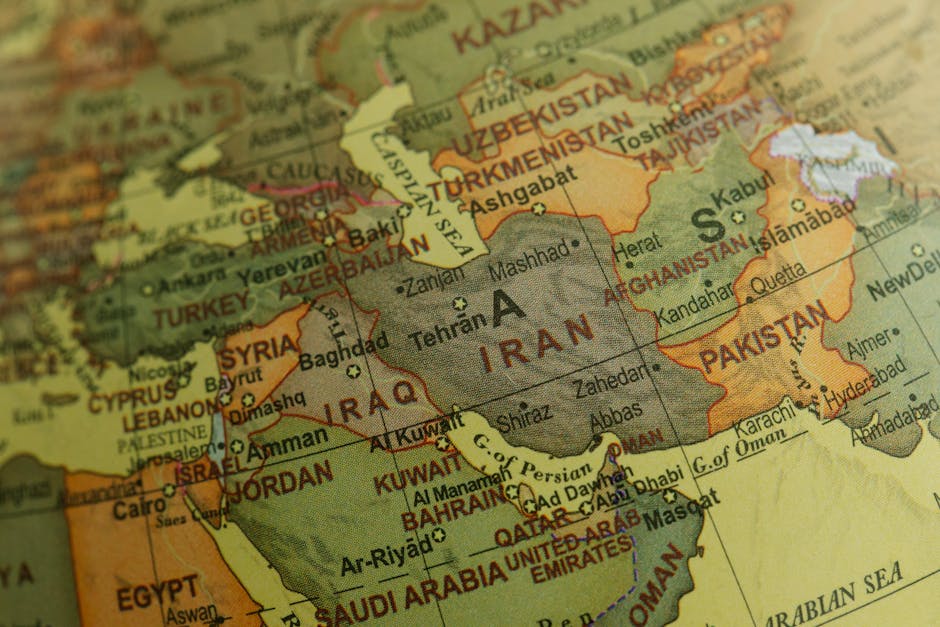
Middle East Tensions Stir Forex Markets: What Traders Need to Know
Escalating geopolitical rhetoric from Iran regarding US talks is fueling uncertainty and driving safe-haven demand in forex markets. Traders should brace for increased volatility across major USD and JPY pairs as diplomatic impasses persist.
USD/JPYEUR/USDGBP/USD
View Report

Jun 27, 2026
FedEx Signals: A Bullish Read on Global Economic Resilience for Forex
FedEx's latest earnings report reveals surprising resilience in global economic demand, particularly in premium segments. This robust economic signal could influence central bank policies and strengthen the US Dollar against major currency pairs.
EUR/USDUSD/JPYAUD/USD
View Report

Jun 27, 2026
ECB's Hawkish Shift Rocks Forex: Eurozone Outlook Brightens in July 2026
The ECB's unexpected hawkish pivot in July 2026 has significantly strengthened the Euro, signaling an accelerated path for interest rate hikes. Forex traders must re-evaluate strategies as this central bank divergence impacts major currency pairs like EUR/USD and EUR/JPY.
EUR/USDEUR/JPYEUR/GBP
View Report

Jun 26, 2026
Greenback Ends Week Strong Amidst Geopolitical Tensions & Hawkish Fed Signals
The US Dollar gained strength this week, driven by rising geopolitical tensions and hawkish signals from Federal Reserve officials. Traders should monitor global risk sentiment and upcoming economic data for continued Greenback direction across major currency pairs.
EUR/USDUSD/JPYGBP/USD
View Report

Jun 26, 2026
Middle East Peace Framework: Forex Market Implications Unpacked
U.S. Secretary of State Marco Rubio's new framework for Middle East peace signals potential shifts in forex market risk sentiment, impacting safe-haven and growth-sensitive currencies. Traders must monitor geopolitical developments closely, as significant obstacles remain, influencing pairs like USD/JPY, EUR/USD, XAU/USD, and USD/CHF.
USD/JPYEUR/USDXAU/USD
View Report

Jun 26, 2026
Middle East Tensions Flare: Hezbollah's Stance Rattles Global Forex Markets
Heightened geopolitical risk from Hezbollah's recent statements on a 'Washington agreement' could spark significant market volatility. Forex traders should prepare for increased demand for safe-haven currencies like the USD, JPY, and CHF amidst escalating Middle East tensions.
USD/JPYUSD/CHFEUR/USD
View Report

Jun 26, 2026
Middle East Geopolitical Shift: Israel-Lebanon Pact & Forex Impact
A US-brokered trilateral framework agreement between Israel and Lebanon signals potential Middle East stability, impacting forex risk sentiment. Traders should monitor safe-haven and commodity-linked currency pairs for shifts in risk appetite and oil price implications.
USD/JPYUSD/CHFEUR/USD
View Report
Jun 26, 2026
Trade Tensions Return: Trump's Tariff Threat and the Forex Market
Former President Donald Trump's threat of 100% tariffs on European goods over a Digital Services Tax reignites transatlantic trade tensions. Forex traders should prepare for potential volatility in EUR/USD and other major currency pairs as geopolitical risks escalate.
EUR/USDUSD/JPYEUR/GBP
View Report
Jun 26, 2026
Geopolitical Jitters: UAE Malfunction Briefly Shakes Oil Markets
A technical malfunction in the UAE triggered a brief spike in oil prices, highlighting the immediate market sensitivity to geopolitical news. Forex traders should note how quickly unconfirmed reports can induce volatility, especially in oil-linked and safe-haven currency pairs.
USD/CADUSD/JPYEUR/USD
View Report

Jun 26, 2026
Middle East Jitters: Quick UAE Alert Spikes Oil, Shakes Forex
A brief missile alert in the UAE triggered a swift spike in oil prices and immediate forex market volatility, highlighting acute geopolitical risk. Traders must monitor Middle East developments and crude oil for potential safe-haven flows and sudden shifts in currency pair dynamics.
USD/JPYUSD/CHFUSD/CAD
View Report

Jun 26, 2026
Hormuz Shipping Standoff: Iran's Declaration Stokes Geopolitical Tensions
Iran's recent declaration regarding shipping in the Strait of Hormuz challenges international norms, sparking fresh geopolitical tensions. Forex traders should prepare for potential oil price volatility and shifts in risk sentiment, impacting oil-sensitive and safe-haven currencies.
USD/CADUSD/NOKUSD/JPY
View Report

Jun 26, 2026
Hormuz Tensions Flare: Oil Markets & Currencies React to Renewed Uncertainty
Renewed geopolitical tensions in the Strait of Hormuz, following Iran's firing on a cargo ship, are significantly impacting global oil prices and driving demand for safe-haven currencies. Forex traders must monitor this fluid situation closely as oil-sensitive and major currency pairs face heightened volatility.
USD/JPYUSD/CADUSD/CHF
View Report
Jun 25, 2026
Hormuz Shipping Incident: What it Means for Oil Prices and Your Forex Portfolio
Geopolitical tensions in the Strait of Hormuz are driving oil prices higher and intensifying forex market volatility. Traders should monitor safe-haven demand and commodity-linked currencies as global risk aversion influences central bank policy expectations.
EUR/USDUSD/JPYUSD/CAD
View Report

Jun 25, 2026
Middle East De-escalation: Forex Impact on Safe Havens and Risk Sentiment
Recent de-escalation in the Middle East could shift forex market dynamics, potentially reducing demand for safe-haven assets. Traders should monitor USD/JPY, USD/CHF, and Gold (XAU/USD) for reactions to evolving geopolitical risk sentiment.
USD/JPYXAU/USDUSD/CHF
View Report
Understanding Forex Market News
Foreign exchange markets are highly sensitive to global macroeconomic developments. The news and technical analysis updates published here are designed to help you follow major capital flows, central bank shifts, and geopolitical milestones that drive exchange rates.
How Macro News Impacts Currency Valuations
Currencies do not move randomly; they reflect the relative economic health of their respective nations. High-impact news releases alter market expectations of future central bank policy:
- Interest Rates: Central banks raise rates to fight inflation and lower them to stimulate growth. Higher relative rates attract global investment capital, strengthening the currency.
- Economic Growth: Strong GDP growth and consumer confidence point to a healthy economy, bolstering demand for the currency.
- Geopolitical Sentiment: During times of crisis or global trade conflict, "safe haven" currencies like the USD, CHF, and JPY typically gain value relative to riskier assets.
Best Practices for Trading Around News Releases
High-impact news can trigger extreme volatility and price gaps. Protect your capital by following these core rules:
- Respect the Spreads: During major events (like CPI or rate statements), liquidity providers withdraw bids and offers. This causes spreads to widen significantly, which can trigger stop losses prematurely.
- Mind the Slippage: If the market gaps over your stop-loss price, your order will be filled at the next available price, leading to larger-than-expected losses.
- Wait for Confluence: Avoid chasing the initial spike. Often, the market will retest the breakout levels once the initial panic subsides, presenting lower-risk entries.