Geopolitical Jitters: VP's Iran Remarks Stir Oil and Forex Markets
Global Markets Brace as Geopolitical Rhetoric Heats Up
Forex and commodity markets are on high alert following recent comments from a senior US official, hinting at the potential for renewed military action against Iran. These remarks, emanating from the US Vice President, serve as a stark reminder of the ever-present geopolitical risks that can swiftly send ripples through global financial instruments, particularly crude oil and safe-haven currencies. While presented as one of several policy considerations, the mere mention of such a possibility has immediately injected a new layer of uncertainty into an already sensitive market environment.
Why Geopolitical Headlines Matter for Traders
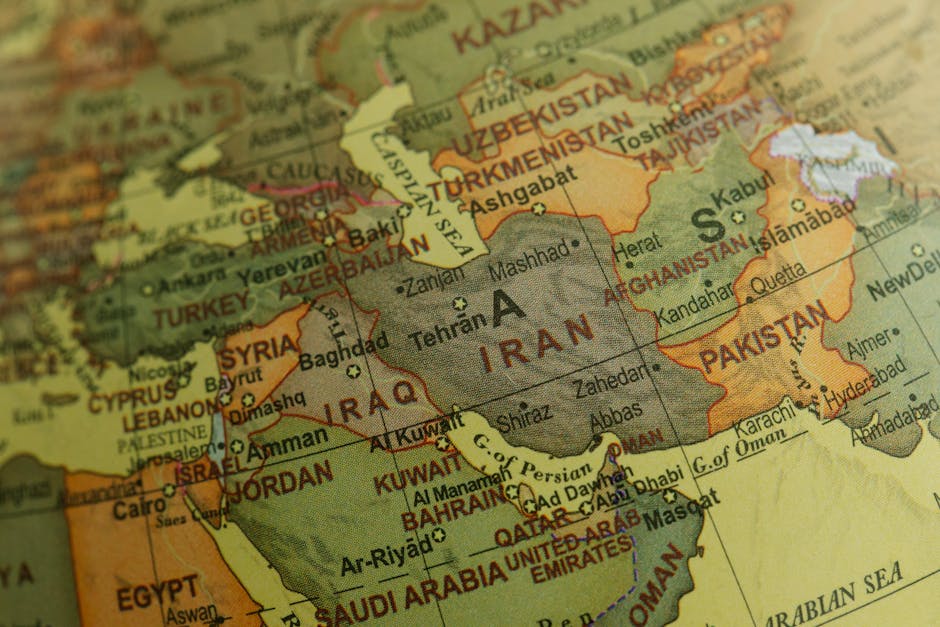
For forex traders, geopolitical developments are not just news; they are fundamental drivers of market sentiment and price action. The Middle East, in particular, has a history of igniting volatility due to its strategic importance in global energy supply. Any rhetoric suggesting heightened tensions, especially involving critical shipping lanes like the Strait of Hormuz, tends to trigger a "risk-off" response. This typically sees investors flocking to perceived safe-haven assets while shying away from riskier ventures. The current situation is particularly sensitive given the region's recent history of de-escalation, making any renewed aggressive posturing a potent catalyst for market shifts.
Crucially, the official also framed the broader US stance within the context of global oil supply, indicating a desire to maintain the flow of Iranian barrels rather than completely choke them off. This nuance is vital. While the threat of military action initially fuels a risk premium in crude oil, the underlying signal that Washington still wants oil flowing could temper sustained upside. Traders must distinguish between an immediate, knee-jerk reaction to headline risk and a confirmed policy shift with long-term implications. Until these statements are corroborated by official transcripts or major wire services, market participants should treat them with caution, sizing their positions accordingly.
Key Assets and Currency Pairs Under Scrutiny
The immediate impact of such geopolitical rhetoric is most evident in the energy markets. Crude oil benchmarks, both Brent and WTI, are prime candidates for a sudden upward surge on the back of increased supply disruption fears. Traders should watch for a rapid price appreciation in oil futures, potentially followed by a retracement if the initial headlines lack further confirmation or if the market discounts the likelihood of immediate action.
In the forex arena, safe-haven currencies typically benefit from such uncertainty. The Japanese Yen (JPY) and the Swiss Franc (CHF) are traditional beneficiaries, often seeing bids against riskier counterparts. The US Dollar (USD) also frequently acts as a safe haven, particularly against commodity-linked currencies or those sensitive to global growth concerns. Therefore, pairs like USD/JPY and USD/CHF could experience upward momentum, while EUR/USD might face downward pressure due to broader risk aversion impacting the Eurozone economy. Commodity currencies such as the Australian Dollar (AUD) and Canadian Dollar (CAD) could see mixed reactions; while oil price hikes might support the CAD, overall risk aversion could weigh heavily on both.
Outlook: Navigating Volatility with Caution
The immediate outlook suggests heightened volatility across markets. Traders should anticipate potential sharp moves, especially in crude oil and safe-haven currency pairs. Key levels to watch on Brent and WTI crude will be previous resistance points, as a breakthrough could signal a more sustained risk premium. For currency pairs, closely monitor support and resistance levels for USD/JPY and USD/CHF, as these pairs often reflect shifts in global risk sentiment.
Until more concrete information emerges, the market will likely remain reactive to further geopolitical headlines. Employing robust risk management strategies, including appropriate position sizing and stop-loss orders, will be paramount in navigating this period of elevated uncertainty. Stay informed and be prepared for swift changes in market dynamics.