Market WatchLive
Market Insights
Daily Forex News & Analysis
Daily market updates, news, and expert analysis from our research team.
Filtering by currency: NOKClear Filter
Articles (Page 1)
Aug 11, 2026
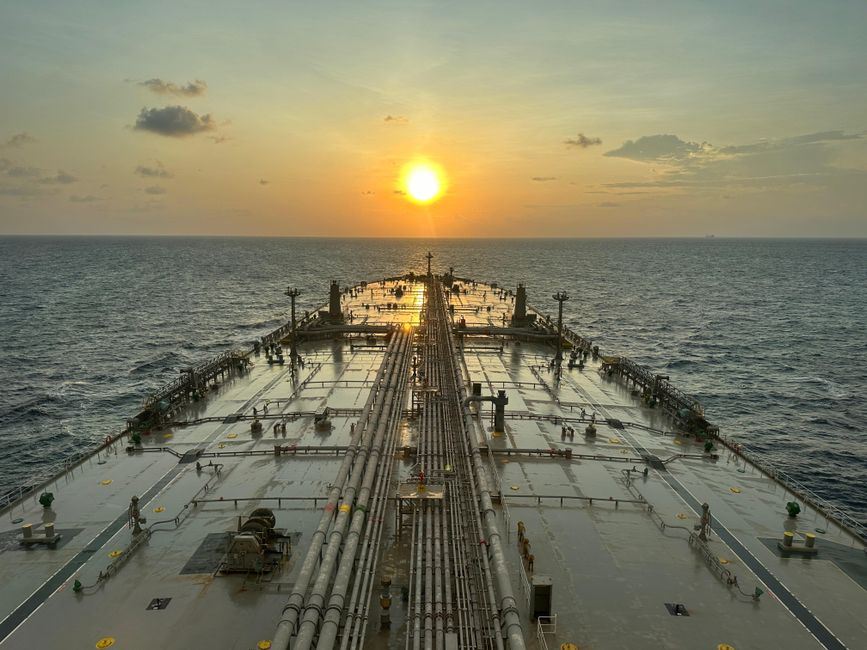
Red Sea Tensions Escalate: Forex Market Implications
Escalating Red Sea tensions from Houthi attacks disrupt global shipping and oil routes, fueling market volatility. Forex traders should prepare for safe-haven flows and commodity currency shifts driven by geopolitical risk and inflation concerns.
USD/JPYEUR/USDGBP/USD
View Report

Aug 9, 2026
Forex Forecast: RBA, US Retail Sales Set Volatile Week
Forex markets face a pivotal week driven by the RBA's interest rate decision and critical US inflation and retail sales data. Traders should prepare for heightened volatility across major pairs as these events reshape monetary policy expectations and influence currency valuations.
AUD/USDUSD/JPYEUR/USD
View Report

Jul 29, 2026
Iran Rejects Hormuz Management Plan: Oil & Forex Market Impact
Iran's firm rejection of Oman's proposal for joint management of the Strait of Hormuz reignites geopolitical concerns, impacting global oil prices and currency markets. Forex traders should prepare for potential safe-haven demand for USD, JPY, and CHF, while monitoring oil-sensitive pairs like CAD and NOK amid heightened risk premiums.
USD/JPYEUR/USDUSD/CHF
View Report

Jul 28, 2026
Middle East Tensions Escalate: Forex Markets Brace for Impact
Renewed warnings from Israeli PM Netanyahu regarding unavoidable strikes on Iranian nuclear facilities are reigniting Middle East geopolitical risk, prompting forex traders to brace for heightened volatility. Safe-haven currencies like JPY and CHF are expected to gain, while riskier and commodity-linked pairs face potential downward pressure amid global uncertainty.
USD/JPYEUR/JPYUSD/CHF
View Report
Jul 28, 2026
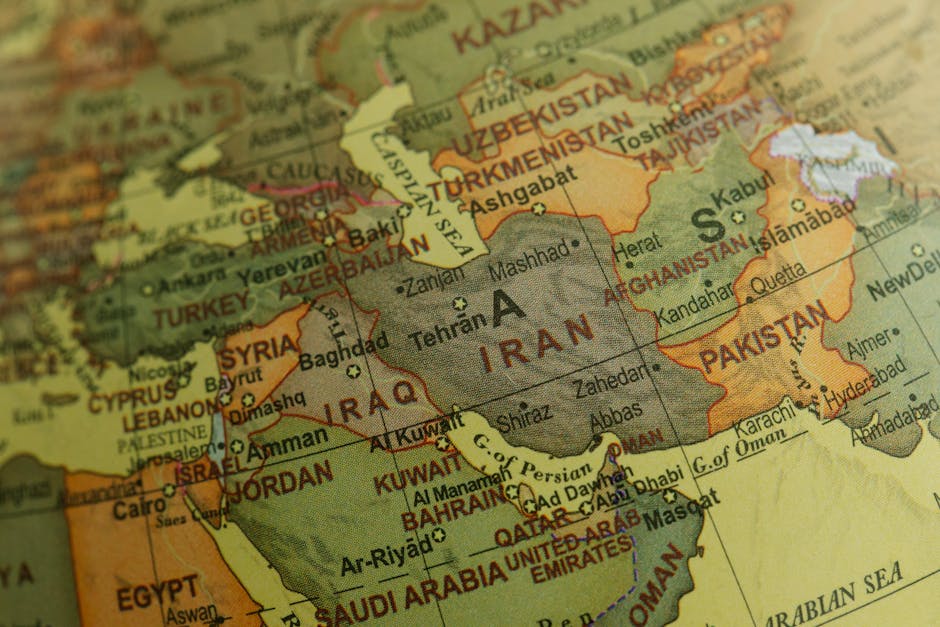
Hormuz Horizon: Oman's Proposal & Its Forex Market Implications
Oman's proposal for joint management of the Strait of Hormuz introduces a new dynamic to Middle East geopolitics, with significant implications for crude oil prices and global risk sentiment. Forex traders should anticipate volatility in oil-sensitive currencies like CAD and NOK, alongside safe-haven flows into JPY, CHF, and USD, as the market assesses the likelihood of de-escalation.
USD/CADUSD/NOKUSD/JPY
View Report

Jul 24, 2026
Global Shipping Security: Hormuz Tensions and Forex Market Impact
Geopolitical tensions surrounding the Strait of Hormuz are driving forex market volatility. Learn how the proposed US-UK coalition meeting could impact major currency pairs and global oil prices.
USD/JPYGBP/USDEUR/USD
View Report
Jul 22, 2026
Unexpected Oil Inventory Build Rattles Markets, What it Means for Forex
Unexpected U.S. crude oil inventory builds surprised markets, signaling potential shifts in energy demand and supply dynamics. This development carries significant implications for commodity-linked currencies and broader forex market sentiment, urging traders to monitor oil price action and its impact on pairs like CAD/USD and NOK/JPY.
USD/CADEUR/CADUSD/NOK
View Report

Jul 22, 2026
Red Sea Tensions Flare: Oil Market Jitters & Forex Implications
Heightened Red Sea shipping disruptions are fueling concerns over global energy supplies and inflation, impacting forex markets. Traders should monitor oil prices, safe-haven flows, and commodity-linked currencies for potential shifts amid ongoing geopolitical risk.
USD/CADEUR/USDUSD/JPY
View Report

Jul 20, 2026
Middle East Tensions Ignite Oil Prices, Reshaping Forex Outlook
Escalating US-Iran tensions have significantly impacted the Strait of Hormuz, driving crude oil prices higher and introducing a substantial geopolitical risk premium. Forex traders should monitor oil-sensitive currencies like CAD and NOK, alongside safe havens such as USD, JPY, and CHF, as global inflation concerns and risk aversion dominate the market outlook.
USD/CADEUR/NOKEUR/USD
View Report
Jul 17, 2026
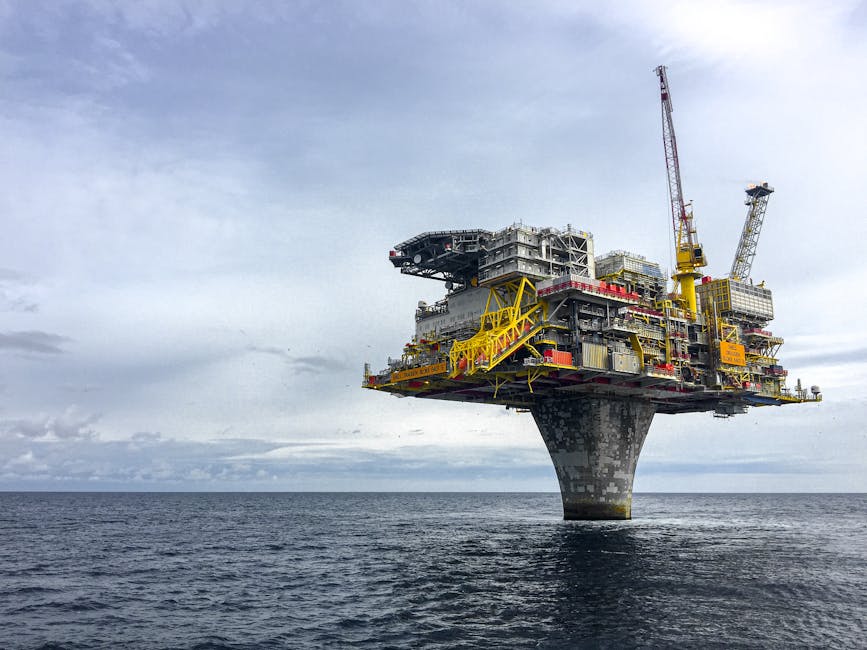
Crude Oil Surges as Rig Count Rises: What It Means for Forex Traders
The latest Baker Hughes rig count showed an increase, yet crude oil prices surged, signaling robust demand and potential inflationary pressures. This development has significant implications for central bank policy and key currency pairs, notably boosting commodity-linked currencies like CAD while potentially weighing on oil importers such as JPY.
USD/CADUSD/JPYEUR/JPY
View Report
Jul 17, 2026
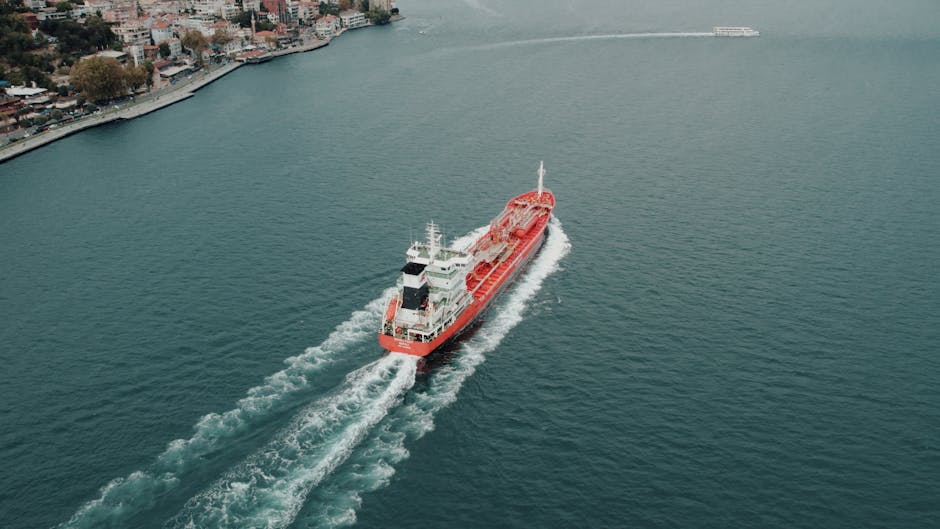
Hormuz Chokepoint: Geopolitical Flare-up Rocks Global Oil and Forex Markets
The Strait of Hormuz faces a critical chokehold as IRGC actions drastically curb oil and gas traffic, sending shockwaves through global energy markets. Forex traders must brace for elevated oil prices, increased volatility, and significant shifts in currency pair dynamics, particularly for commodity-linked and safe-haven assets.
USD/CADEUR/USDUSD/JPY
View Report

Jul 14, 2026
Trump's Middle East Stance: Oil, Geopolitics, and the Dollar's Direction
President Trump's remarks on increasing Iraqi oil output and lowering energy prices signal potential downward pressure on crude oil, directly impacting oil-sensitive currencies. Positive US economic commentary and potential capital inflows could further bolster the US Dollar across major pairs.
USD/CADUSD/NOKEUR/USD
View Report

Jul 13, 2026
Hormuz Strait: Trump's 20% Toll – Forex Market Impact Unpacked
Former President Trump's new 20% shipping toll and selective blockade in the Strait of Hormuz introduces significant geopolitical risk and higher energy costs. Forex traders should anticipate increased volatility, potential USD strength, and upward pressure on crude oil prices, impacting pairs like EUR/USD and USD/JPY.
EUR/USDUSD/JPYAUD/JPY
View Report

Jul 13, 2026
Hormuz Tensions Resurface: Geopolitical Risk & Forex Market Impact
Renewed US-Iran hostilities have effectively closed the Strait of Hormuz, sparking concerns over global oil supply and elevating geopolitical risk. Forex traders should prepare for increased volatility, with potential safe-haven demand strengthening USD/JPY and oil-linked currencies like CAD facing complex dynamics.
USD/JPYUSD/CADEUR/USD
View Report
Jul 10, 2026
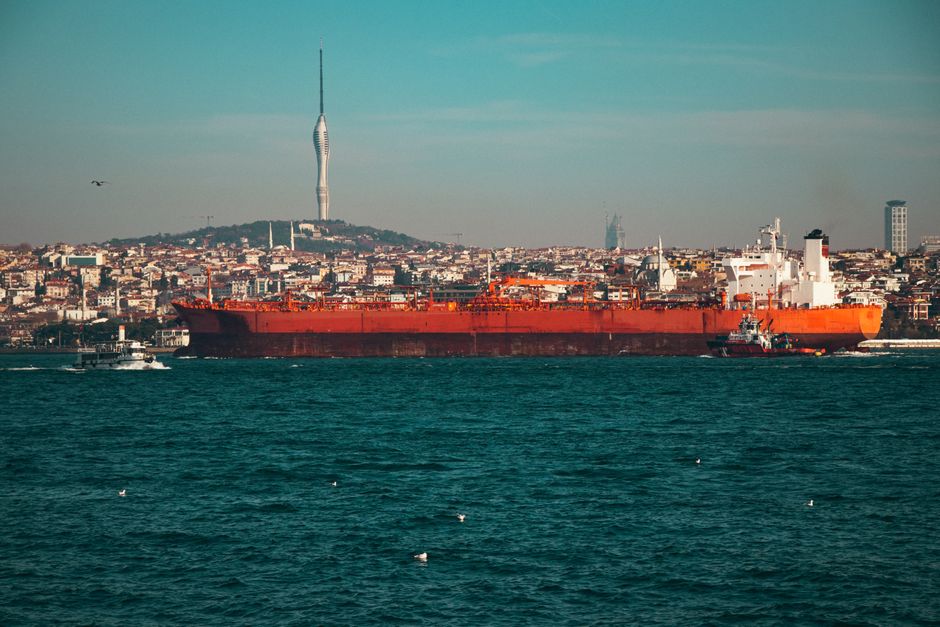
Strait of Hormuz Tensions Reignite: Forex Impact & Trader Outlook
Escalating tensions around the Strait of Hormuz are driving significant forex market volatility, impacting oil prices and strengthening safe-haven demand. Traders should monitor geopolitical developments closely as the situation influences key currency pairs and risk sentiment.
USD/JPYUSD/CADEUR/USD
View Report
Understanding Forex Market News
Foreign exchange markets are highly sensitive to global macroeconomic developments. The news and technical analysis updates published here are designed to help you follow major capital flows, central bank shifts, and geopolitical milestones that drive exchange rates.
How Macro News Impacts Currency Valuations
Currencies do not move randomly; they reflect the relative economic health of their respective nations. High-impact news releases alter market expectations of future central bank policy:
- Interest Rates: Central banks raise rates to fight inflation and lower them to stimulate growth. Higher relative rates attract global investment capital, strengthening the currency.
- Economic Growth: Strong GDP growth and consumer confidence point to a healthy economy, bolstering demand for the currency.
- Geopolitical Sentiment: During times of crisis or global trade conflict, "safe haven" currencies like the USD, CHF, and JPY typically gain value relative to riskier assets.
Best Practices for Trading Around News Releases
High-impact news can trigger extreme volatility and price gaps. Protect your capital by following these core rules:
- Respect the Spreads: During major events (like CPI or rate statements), liquidity providers withdraw bids and offers. This causes spreads to widen significantly, which can trigger stop losses prematurely.
- Mind the Slippage: If the market gaps over your stop-loss price, your order will be filled at the next available price, leading to larger-than-expected losses.
- Wait for Confluence: Avoid chasing the initial spike. Often, the market will retest the breakout levels once the initial panic subsides, presenting lower-risk entries.