Market WatchLive
Market Insights
Daily Forex News & Analysis
Daily market updates, news, and expert analysis from our research team.
Filtering by currency: CHFClear Filter
Articles (Page 5)

Jul 22, 2026
Middle East Tensions Flare: Forex Implications & Safe-Haven Flows
Escalating Middle East tensions following reported Iranian strikes on US facilities are fueling global risk aversion, driving investors towards traditional safe-haven assets. Forex traders should prepare for increased volatility in pairs like USD/JPY and EUR/USD, with potential for higher crude oil prices and shifts in broader market sentiment.
USD/JPYEUR/USDAUD/USD
View Report

Jul 22, 2026
Geopolitical Quake: US-Saudi Nuclear Deal Ignites Forex Market Concerns
The US-Saudi nuclear deal, particularly its enrichment clause, introduces a significant and long-lasting geopolitical risk premium into global financial markets. Traders should anticipate heightened volatility, monitoring safe-haven flows into JPY and CHF, alongside potential impacts on crude oil prices and the broader USD outlook.
USD/JPYUSD/CHFEUR/USD
View Report

Jul 21, 2026
Middle East Tensions Escalate: What it Means for Forex Traders
Escalating Middle East tensions are sparking global market jitters, driving demand for safe-haven assets and potentially boosting crude oil prices. Forex traders should prepare for increased volatility, monitoring pairs like USD/JPY and Gold for directional shifts.
USD/JPYXAU/USDEUR/USD
View Report
Jul 21, 2026
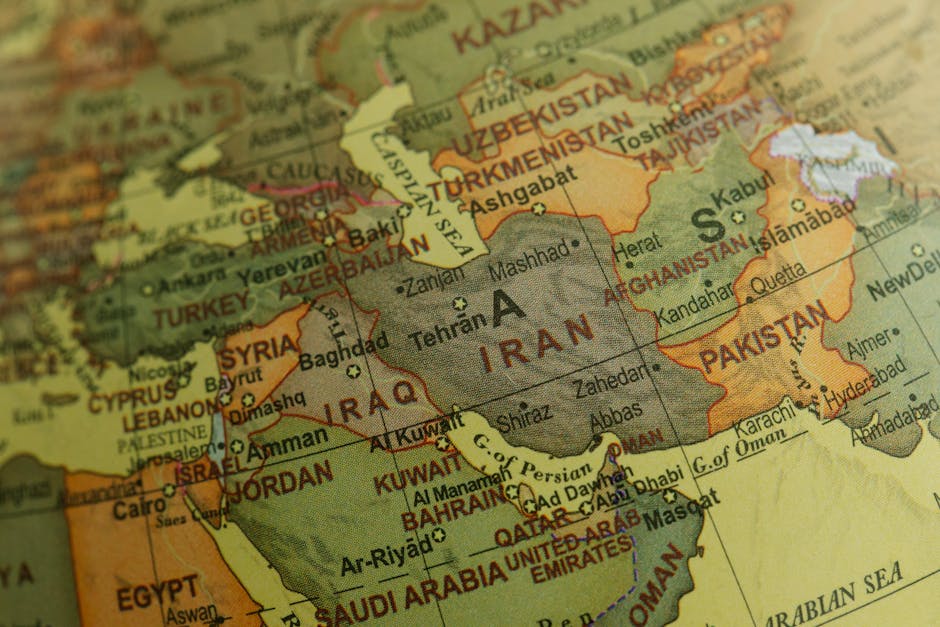
Middle East Tensions Spike: Trump's Iran Stance Jolts Forex Markets
President Trump's strong rhetoric on Iran, including a specific military threat, has significantly escalated Middle East geopolitical risks. Forex traders should prepare for increased safe-haven demand and potential volatility in oil-sensitive currency pairs as global risk sentiment deteriorates.
USD/JPYUSD/CHFEUR/USD
View Report

Jul 21, 2026
Iran Ceasefire Rejection Sparks Oil Rally, Intensifies Forex Geopolitical Risk
U.S. President Trump's reported rejection of a 10-day ceasefire with Iran is fueling crude oil prices and intensifying geopolitical risks, directly impacting forex market sentiment. Traders should monitor commodity-linked currencies like CAD and safe-havens such as JPY and CHF, alongside key oil price levels, as Middle East tensions escalate.
CAD/USDUSD/JPYUSD/CHF
View Report

Jul 21, 2026
Hormuz Flashpoint: What Rising Tensions Mean for Forex Traders
Renewed U.S.-Iran tensions over the Strait of Hormuz are driving significant geopolitical risk, pushing oil prices higher and strengthening safe-haven currencies. Forex traders face increased volatility, requiring close monitoring of crude oil benchmarks and pairs like USD/JPY for directional cues.
USD/JPYEUR/USDUSD/CAD
View Report

Jul 20, 2026
Geopolitical Tensions Flare: Middle East Incidents & Forex Market Impact
Ongoing geopolitical tensions in the Middle East are impacting forex markets, driving demand for safe-haven currencies like JPY and CHF while influencing crude oil prices. Traders should monitor regional developments for shifts in risk sentiment and potential volatility in pairs like USD/JPY and CAD/JPY.
USD/JPYEUR/CHFCAD/JPY
View Report

Jul 20, 2026
US Hardens Stance on Iran: Geopolitical Ripples for Forex Traders
The Trump administration's firm stance on Iran, prioritizing accountability over a ceasefire, signals continued geopolitical tensions that will drive forex market volatility. Traders should anticipate shifts in risk sentiment, impacting safe-haven currencies like the JPY and CHF, and risk-sensitive pairs such as AUD/USD, while oil price movements will significantly influence commodity-linked currencies.
USD/JPYEUR/CHFAUD/USD
View Report

Jul 20, 2026
US-Iran Tensions Flare: Forex Markets Brace for Volatility & Safe-Haven Shift
Escalating US-Iran tensions following a deadly attack in Jordan are poised to reshape forex market dynamics, driving demand for safe-haven currencies like the USD, JPY, and CHF. Traders should brace for increased volatility and monitor crude oil prices and official responses, which will dictate the immediate outlook for major currency pairs.
USD/JPYEUR/USDUSD/CHF
View Report
Jul 20, 2026
Iran Deal Hopes Spark Risk-On Shift: What It Means for Forex Traders
Renewed hopes for a US-Iran nuclear deal have ignited risk appetite across financial markets, sending oil prices lower and influencing major currency pairs. Traders are now monitoring diplomatic progress for sustained shifts in safe-haven demand and risk-on asset flows.
EUR/USDUSD/JPYAUD/USD
View Report
Jul 20, 2026
Middle East Tensions Ignite Oil Prices, Reshaping Forex Outlook
Escalating US-Iran tensions have significantly impacted the Strait of Hormuz, driving crude oil prices higher and introducing a substantial geopolitical risk premium. Forex traders should monitor oil-sensitive currencies like CAD and NOK, alongside safe havens such as USD, JPY, and CHF, as global inflation concerns and risk aversion dominate the market outlook.
USD/CADEUR/NOKEUR/USD
View Report
Jul 19, 2026
European Regulatory Pushbacks: Unpacking the Impact on Euro Forex
France's move to block Polymarket highlights escalating European regulatory scrutiny on digital financial platforms, potentially influencing broader investor sentiment towards the Eurozone's innovation landscape. Forex traders should monitor these developments as they contribute to the Euro's overall outlook, particularly for pairs like EUR/USD and EUR/GBP.
EUR/USDEUR/GBPEUR/JPY
View Report
Jul 17, 2026
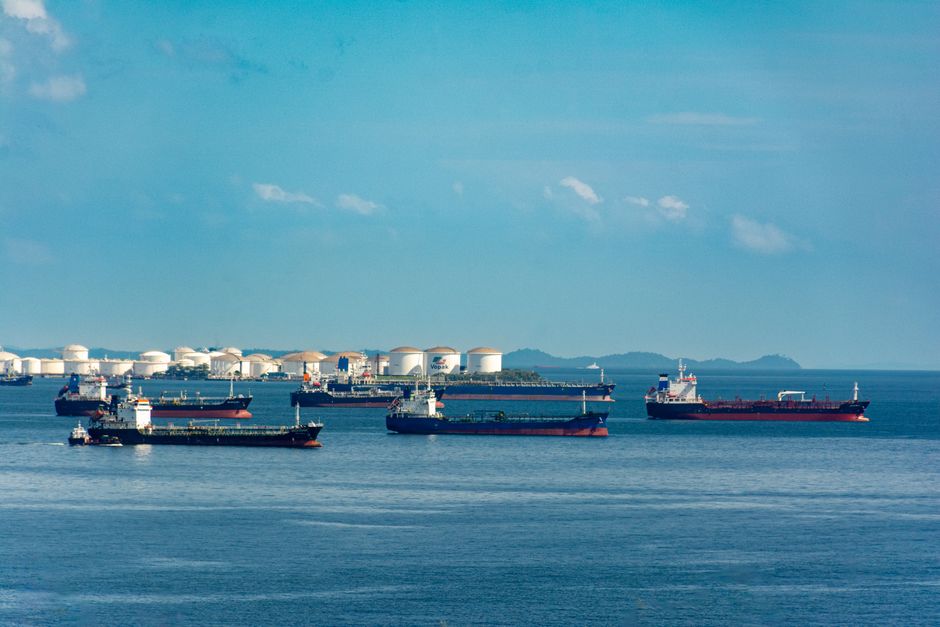
Hormuz Incident Rattles Markets: Oil Surges, Forex Volatility Intensifies
Escalating Middle East tensions, marked by an incident in the Strait of Hormuz, have sent crude oil prices soaring and propelled the crack spread to historic highs. This geopolitical risk is fueling a 'risk-off' sentiment across forex markets, boosting safe-haven currencies like USD and JPY while pressuring risk-sensitive and energy-importing pairs.
USD/JPYEUR/USDAUD/JPY
View Report

Jul 17, 2026
Oil, Safe Havens, and the Dollar: US-Iran Tensions Drive Forex Uncertainty
Rising US-Iran tensions are increasing geopolitical risk, driving demand for safe-haven currencies and impacting oil prices. Forex traders should monitor key currency pairs like USD/JPY and EUR/USD for heightened volatility.
EUR/USDUSD/JPYGBP/USD
View Report

Jul 17, 2026
Global Markets Face Headwinds: Oil Surges, Tech Retreats, Safe-Havens Shine
Global markets experienced a risk-off session driven by tech stock weakness, surging oil prices due to geopolitical tensions, and cautious central bank stances. Traders are now keenly watching key support and resistance levels across major currency pairs like EUR/USD and USD/JPY, as safe-havens like the CHF outperformed while commodity-linked and risk-sensitive currencies like AUD and GBP lagged significantly.
EUR/USDUSD/JPYAUD/USD
View Report
Understanding Forex Market News
Foreign exchange markets are highly sensitive to global macroeconomic developments. The news and technical analysis updates published here are designed to help you follow major capital flows, central bank shifts, and geopolitical milestones that drive exchange rates.
How Macro News Impacts Currency Valuations
Currencies do not move randomly; they reflect the relative economic health of their respective nations. High-impact news releases alter market expectations of future central bank policy:
- Interest Rates: Central banks raise rates to fight inflation and lower them to stimulate growth. Higher relative rates attract global investment capital, strengthening the currency.
- Economic Growth: Strong GDP growth and consumer confidence point to a healthy economy, bolstering demand for the currency.
- Geopolitical Sentiment: During times of crisis or global trade conflict, "safe haven" currencies like the USD, CHF, and JPY typically gain value relative to riskier assets.
Best Practices for Trading Around News Releases
High-impact news can trigger extreme volatility and price gaps. Protect your capital by following these core rules:
- Respect the Spreads: During major events (like CPI or rate statements), liquidity providers withdraw bids and offers. This causes spreads to widen significantly, which can trigger stop losses prematurely.
- Mind the Slippage: If the market gaps over your stop-loss price, your order will be filled at the next available price, leading to larger-than-expected losses.
- Wait for Confluence: Avoid chasing the initial spike. Often, the market will retest the breakout levels once the initial panic subsides, presenting lower-risk entries.