Market WatchLive
Market Insights
Daily Forex News & Analysis
Daily market updates, news, and expert analysis from our research team.
Filtering by currency: AUDClear Filter
Articles (Page 18)

Jul 20, 2026
Iran Diplomatic Engagements: A Forex Trader's Guide to Market Impact
Recent reports of active Iranian diplomacy and received proposals hint at potential de-escalation, influencing forex market sentiment. Traders should monitor geopolitical developments closely, as safe-haven currencies like the JPY and USD, alongside oil prices, remain highly sensitive to Middle East stability.
EUR/USDUSD/JPYXAU/USD
View Report

Jul 20, 2026
Middle East Tensions Ignite Oil Prices, Reshaping Forex Outlook
Escalating US-Iran tensions have significantly impacted the Strait of Hormuz, driving crude oil prices higher and introducing a substantial geopolitical risk premium. Forex traders should monitor oil-sensitive currencies like CAD and NOK, alongside safe havens such as USD, JPY, and CHF, as global inflation concerns and risk aversion dominate the market outlook.
USD/CADEUR/NOKEUR/USD
View Report
Jul 20, 2026
Geopolitical Tensions Ignite Oil, Rattle Asian Currencies
Geopolitical tensions in the Middle East have dramatically driven up crude oil prices, pressuring oil-importing Asian currencies like the Indian Rupee and triggering a flight to safe-haven assets. Traders should monitor oil market developments, central bank responses, and potential currency interventions closely as market volatility remains elevated.
USD/INRUSD/JPYWTI Crude Oil
View Report

Jul 19, 2026
US Dollar's Path Ahead: Navigating the H2 2026 Forex Landscape
Explore the US Dollar's potential trajectory for H2 2026, examining key economic drivers and their impact on major currency pairs. Discover essential insights for forex traders to navigate the evolving USD landscape and identify strategic opportunities.
EUR/USDUSD/JPYGBP/USD
View Report
Jul 17, 2026
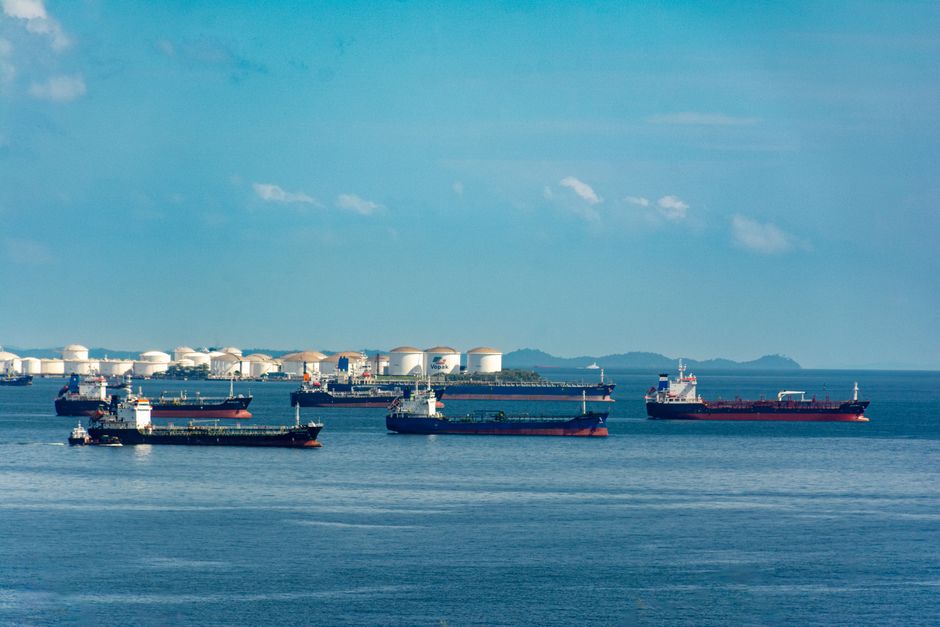
Hormuz Incident Rattles Markets: Oil Surges, Forex Volatility Intensifies
Escalating Middle East tensions, marked by an incident in the Strait of Hormuz, have sent crude oil prices soaring and propelled the crack spread to historic highs. This geopolitical risk is fueling a 'risk-off' sentiment across forex markets, boosting safe-haven currencies like USD and JPY while pressuring risk-sensitive and energy-importing pairs.
USD/JPYEUR/USDAUD/JPY
View Report

Jul 17, 2026
Oil, Safe Havens, and the Dollar: US-Iran Tensions Drive Forex Uncertainty
Rising US-Iran tensions are increasing geopolitical risk, driving demand for safe-haven currencies and impacting oil prices. Forex traders should monitor key currency pairs like USD/JPY and EUR/USD for heightened volatility.
EUR/USDUSD/JPYGBP/USD
View Report

Jul 17, 2026
US Consumer Sentiment Rebounds: Dollar Impact on Forex Markets
The University of Michigan's preliminary July consumer sentiment report showed a significant rebound, indicating potential resilience in US consumer spending. This unexpected improvement supports the US Dollar and could influence the Federal Reserve's monetary policy decisions, especially regarding interest rates.
EUR/USDUSD/JPYGBP/USD
View Report

Jul 17, 2026
US Industrial Output Edges Up Slightly in June, Missing Forecasts
US industrial production in June grew by a modest 0.1%, missing forecasts and suggesting a cooling economy. This softer data could influence Federal Reserve policy, potentially weighing on the US Dollar against major currency pairs.
EUR/USDGBP/USDUSD/JPY
View Report

Jul 17, 2026
US Housing Starts Soar: Dollar Bulls Take Note as Economic Outlook Shifts
US housing starts significantly beat expectations in June, indicating robust economic resilience and prompting reassessment of the Federal Reserve's monetary policy outlook. This strong data is likely to bolster the US Dollar across major currency pairs as markets anticipate a potentially more hawkish Fed stance.
EUR/USDGBP/USDUSD/JPY
View Report

Jul 17, 2026
Dollar Gains Traction as US Import Prices Surprise to the Upside
US import prices unexpectedly surged in June, defying market expectations and reigniting concerns about persistent inflation. This data strengthens the case for a hawkish Federal Reserve, potentially bolstering the US Dollar against major currency pairs like EUR/USD and USD/JPY as traders weigh future interest rate decisions.
EUR/USDUSD/JPYGBP/USD
View Report

Jul 17, 2026
Global Markets Face Headwinds: Oil Surges, Tech Retreats, Safe-Havens Shine
Global markets experienced a risk-off session driven by tech stock weakness, surging oil prices due to geopolitical tensions, and cautious central bank stances. Traders are now keenly watching key support and resistance levels across major currency pairs like EUR/USD and USD/JPY, as safe-havens like the CHF outperformed while commodity-linked and risk-sensitive currencies like AUD and GBP lagged significantly.
EUR/USDUSD/JPYAUD/USD
View Report

Jul 17, 2026
Eurozone Inflation Confirms Easing Trend: What This Means for the EUR
Eurozone inflation confirmed its easing trend in June, with both headline and core CPI moderating due to lower energy, food, and services prices. This development offers the European Central Bank potential flexibility, influencing the Euro's trajectory and making key EUR pairs crucial for traders to monitor.
EUR/USDEUR/JPYEUR/GBP
View Report

Jul 17, 2026
Japan's Fiscal-Monetary Divide: BOJ Independence Reaffirmed Amid Pressures
Japan's Finance Minister reiterated the BOJ's full autonomy in monetary policy, reinforcing the central bank's independence amidst global rate hikes and domestic fiscal concerns. This confirms traders should focus on BOJ communications and economic data for JPY pair direction, with USD/JPY and other crosses remaining sensitive to policy divergence.
USD/JPYEUR/JPYAUD/JPY
View Report

Jul 17, 2026
Hormuz Chokepoint: Geopolitical Flare-up Rocks Global Oil and Forex Markets
The Strait of Hormuz faces a critical chokehold as IRGC actions drastically curb oil and gas traffic, sending shockwaves through global energy markets. Forex traders must brace for elevated oil prices, increased volatility, and significant shifts in currency pair dynamics, particularly for commodity-linked and safe-haven assets.
USD/CADEUR/USDUSD/JPY
View Report
Jul 17, 2026
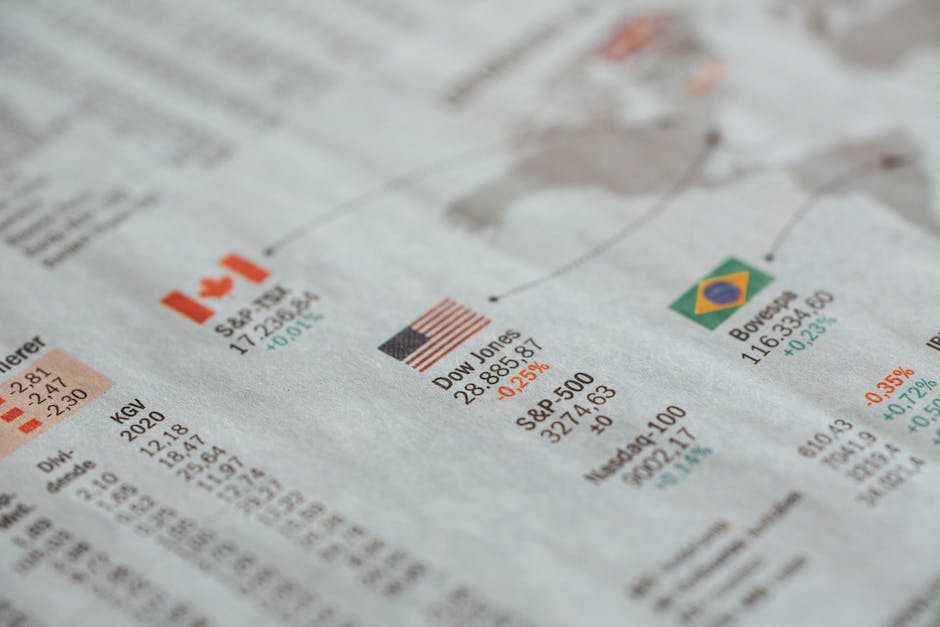
Geopolitical Tensions & Equity Slump Rock Asia-Pacific FX Markets
Geopolitical tensions in the Middle East and a widespread decline in Asian equities sparked significant risk aversion across forex markets. This environment fueled demand for safe-haven currencies like the Japanese Yen and US Dollar, while pressuring emerging market units such as the Indian Rupee and influencing the Chinese Yuan.
USD/JPYUSD/INRUSD/CNY
View Report
Understanding Forex Market News
Foreign exchange markets are highly sensitive to global macroeconomic developments. The news and technical analysis updates published here are designed to help you follow major capital flows, central bank shifts, and geopolitical milestones that drive exchange rates.
How Macro News Impacts Currency Valuations
Currencies do not move randomly; they reflect the relative economic health of their respective nations. High-impact news releases alter market expectations of future central bank policy:
- Interest Rates: Central banks raise rates to fight inflation and lower them to stimulate growth. Higher relative rates attract global investment capital, strengthening the currency.
- Economic Growth: Strong GDP growth and consumer confidence point to a healthy economy, bolstering demand for the currency.
- Geopolitical Sentiment: During times of crisis or global trade conflict, "safe haven" currencies like the USD, CHF, and JPY typically gain value relative to riskier assets.
Best Practices for Trading Around News Releases
High-impact news can trigger extreme volatility and price gaps. Protect your capital by following these core rules:
- Respect the Spreads: During major events (like CPI or rate statements), liquidity providers withdraw bids and offers. This causes spreads to widen significantly, which can trigger stop losses prematurely.
- Mind the Slippage: If the market gaps over your stop-loss price, your order will be filled at the next available price, leading to larger-than-expected losses.
- Wait for Confluence: Avoid chasing the initial spike. Often, the market will retest the breakout levels once the initial panic subsides, presenting lower-risk entries.